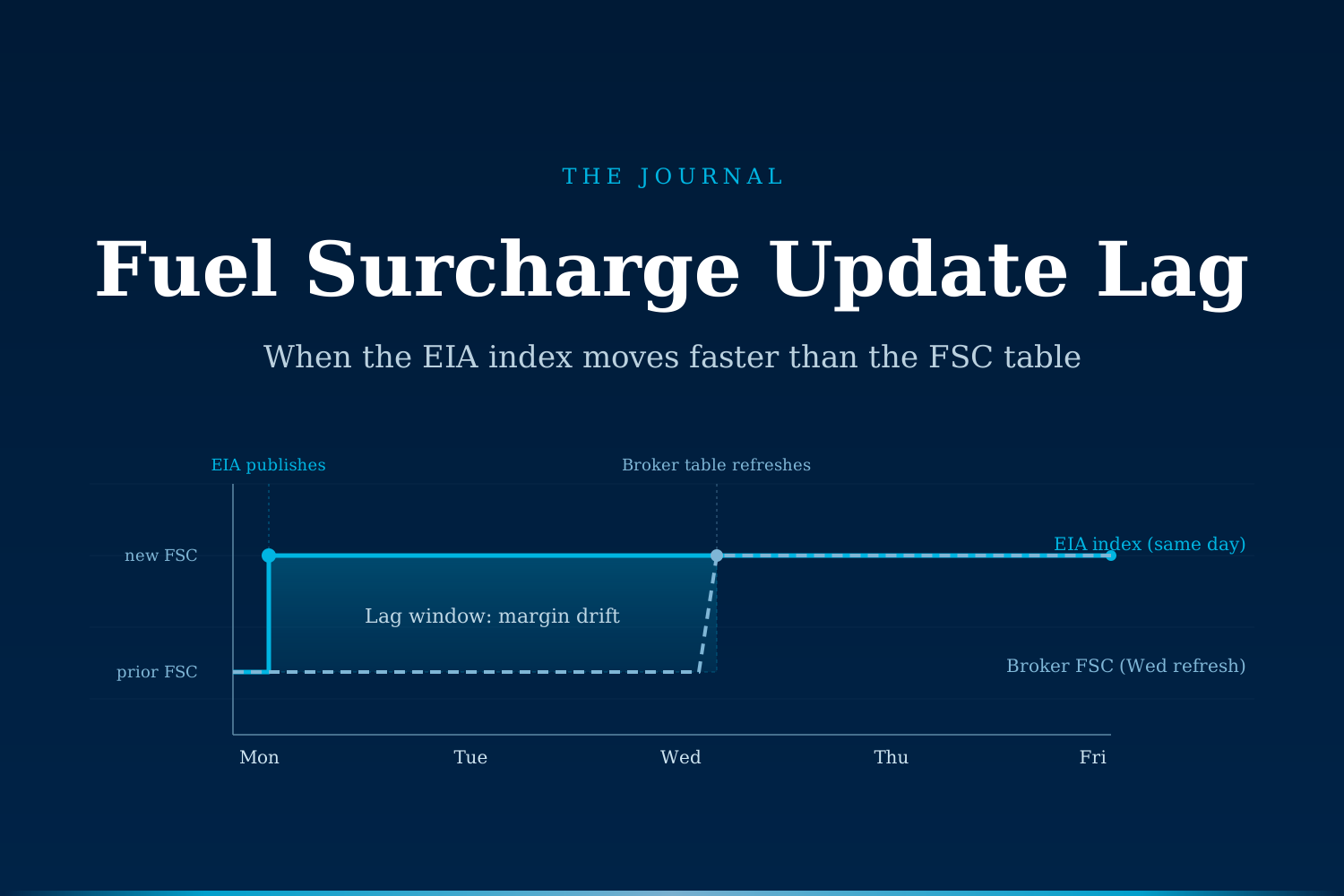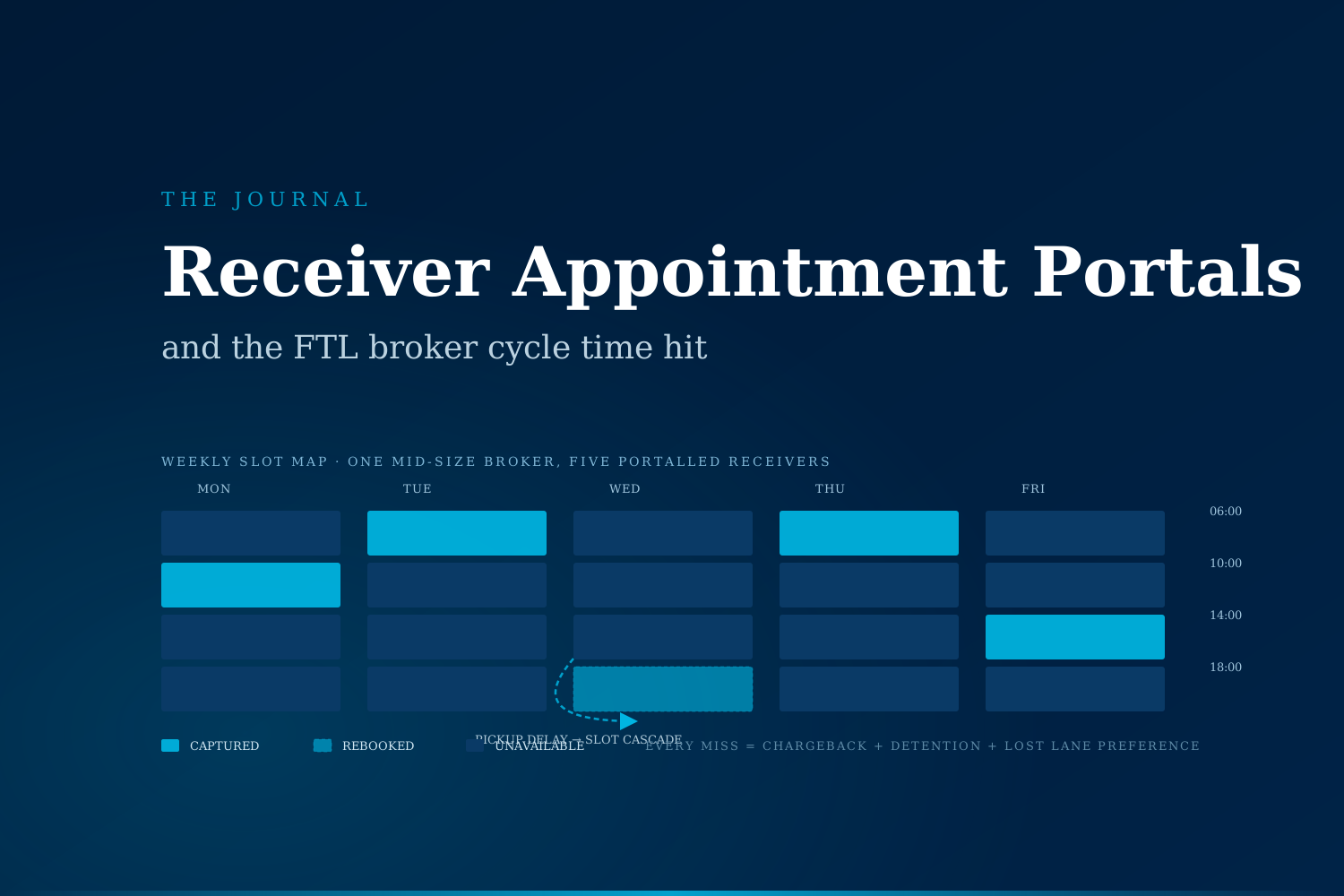
Receiver Appointment Portals and the FTL Broker Cycle Time Hit
Portal-based receiver scheduling has become one of the largest invisible time sinks on a mid-size FTL broker's desk. Here is where the cycle time actually leaks.
How growth teams across the globe design, launch, and scale automation that actually moves revenue, retention, and team happiness.
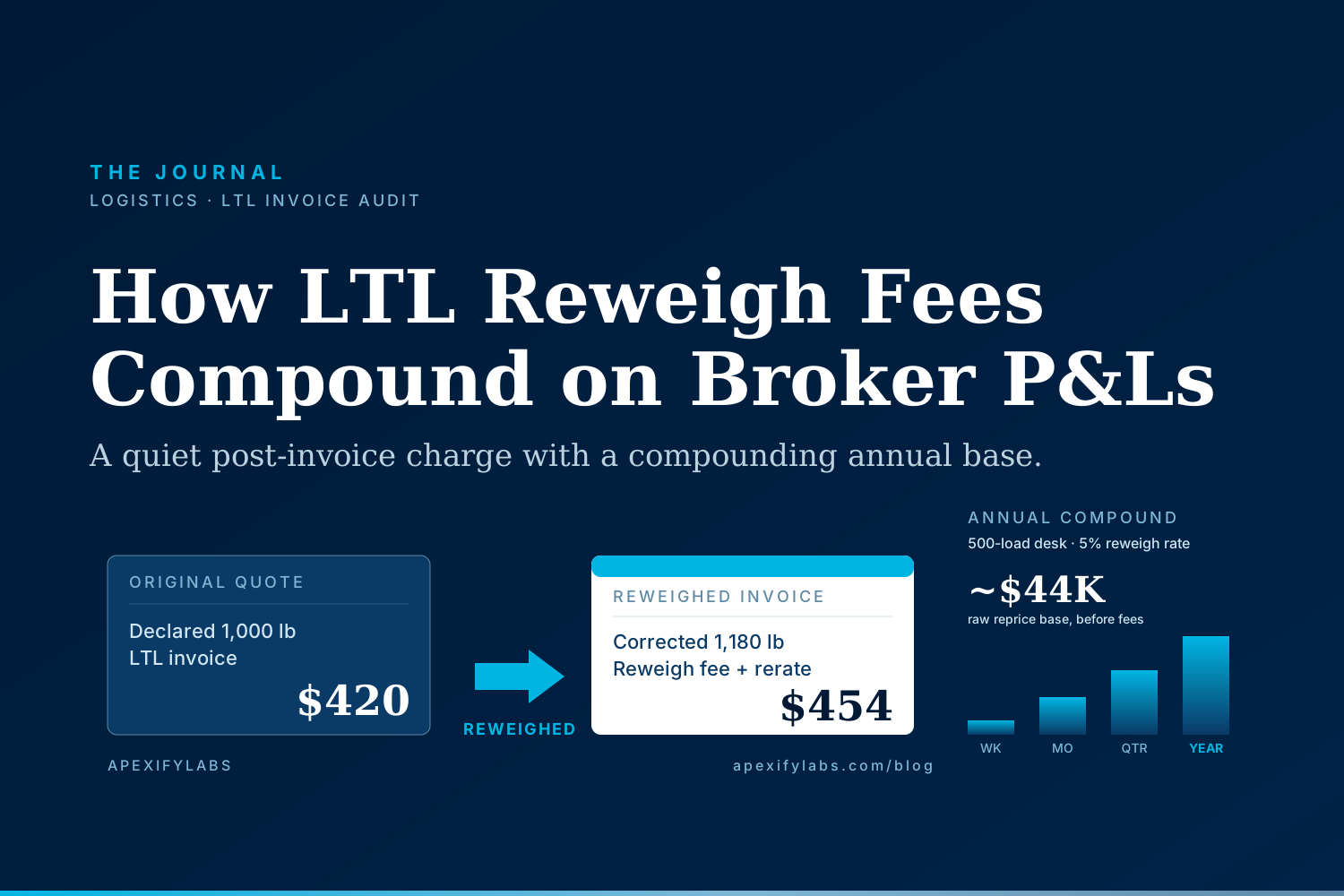
Portal-based receiver scheduling has become one of the largest invisible time sinks on a mid-size FTL broker's desk. Here is where the cycle time actually leaks.
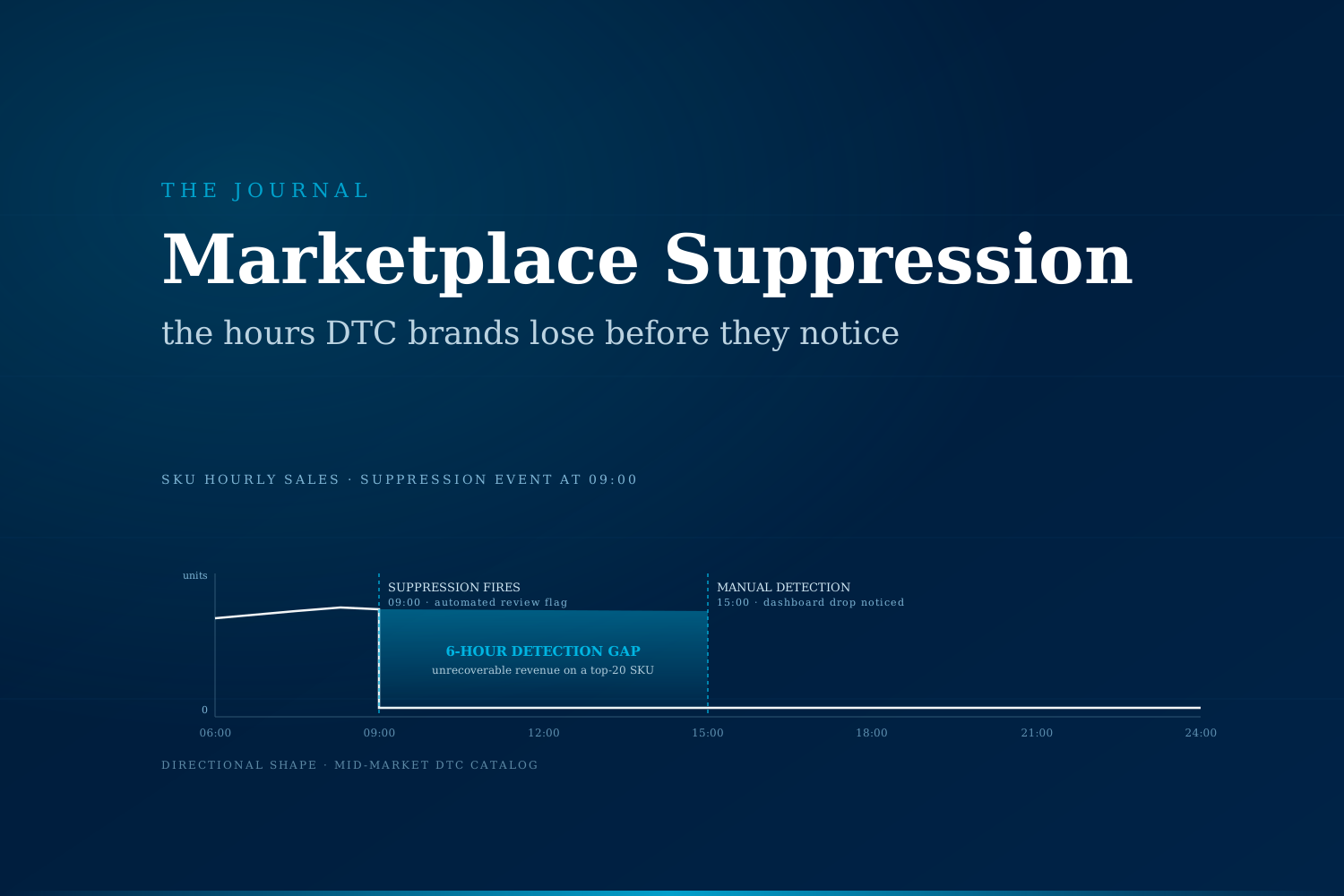
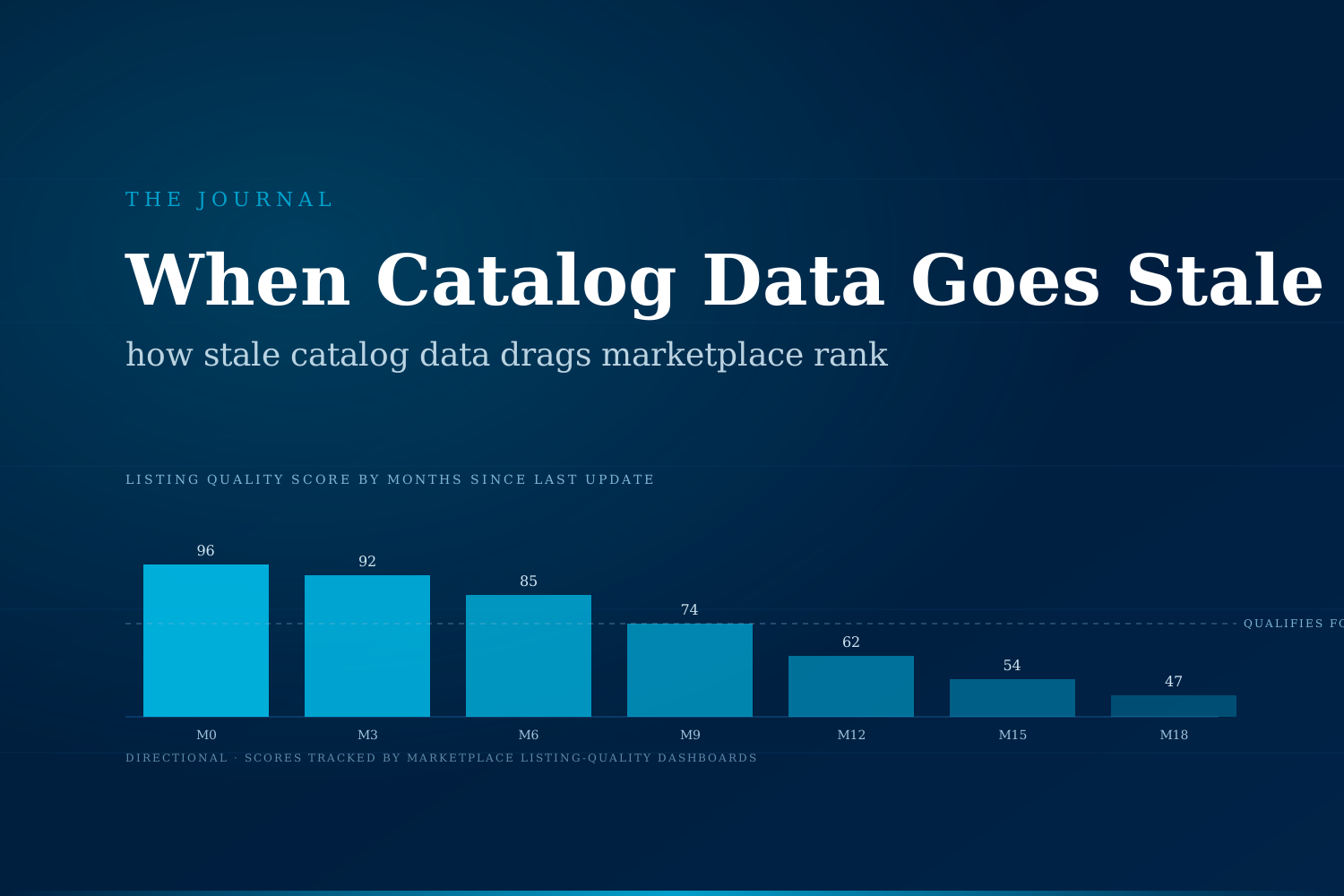
Product data drift on Amazon, Walmart, and Target slowly costs DTC brands ranking and conversion. Here is what changes when catalog ops stop running on spreadsheets.
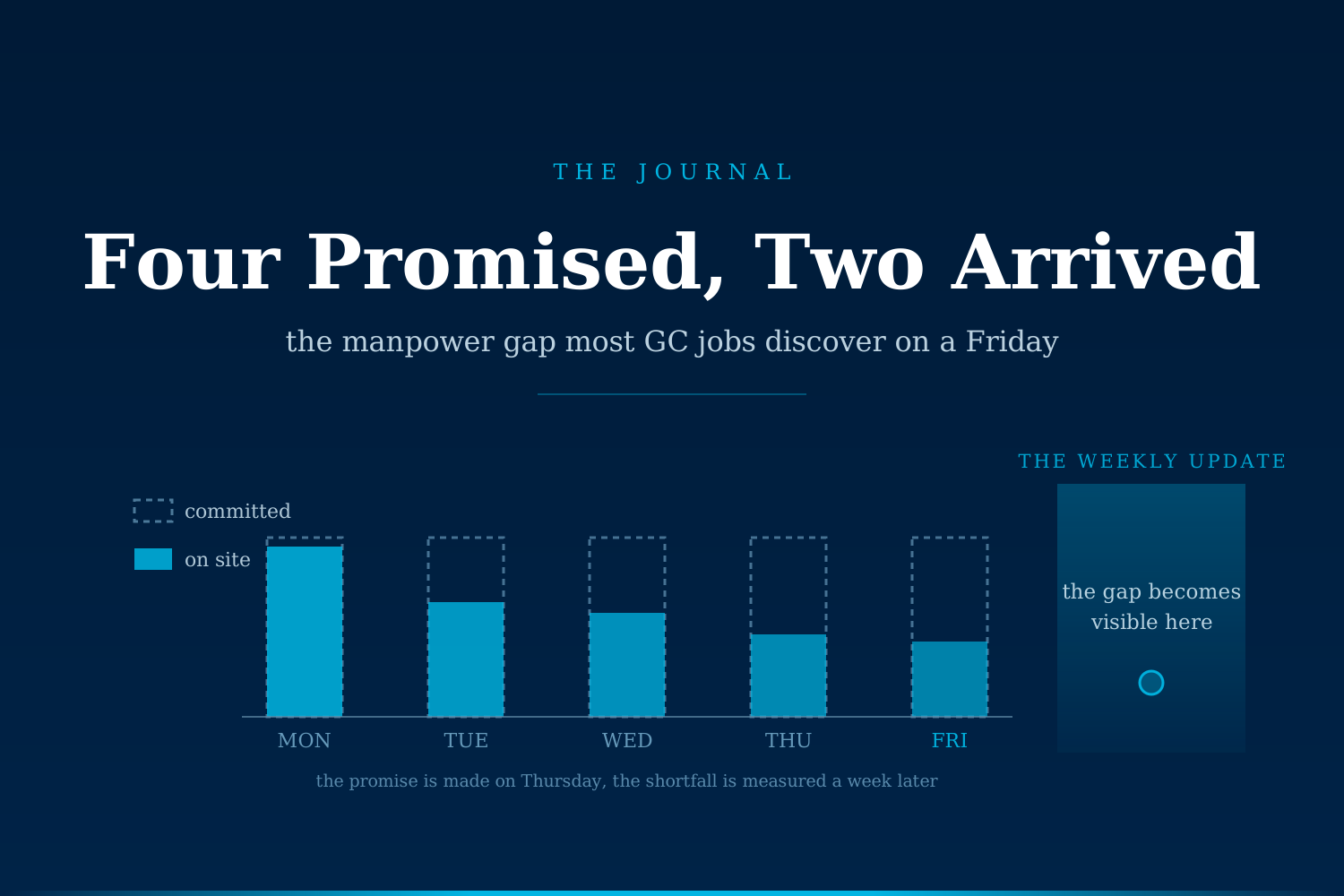
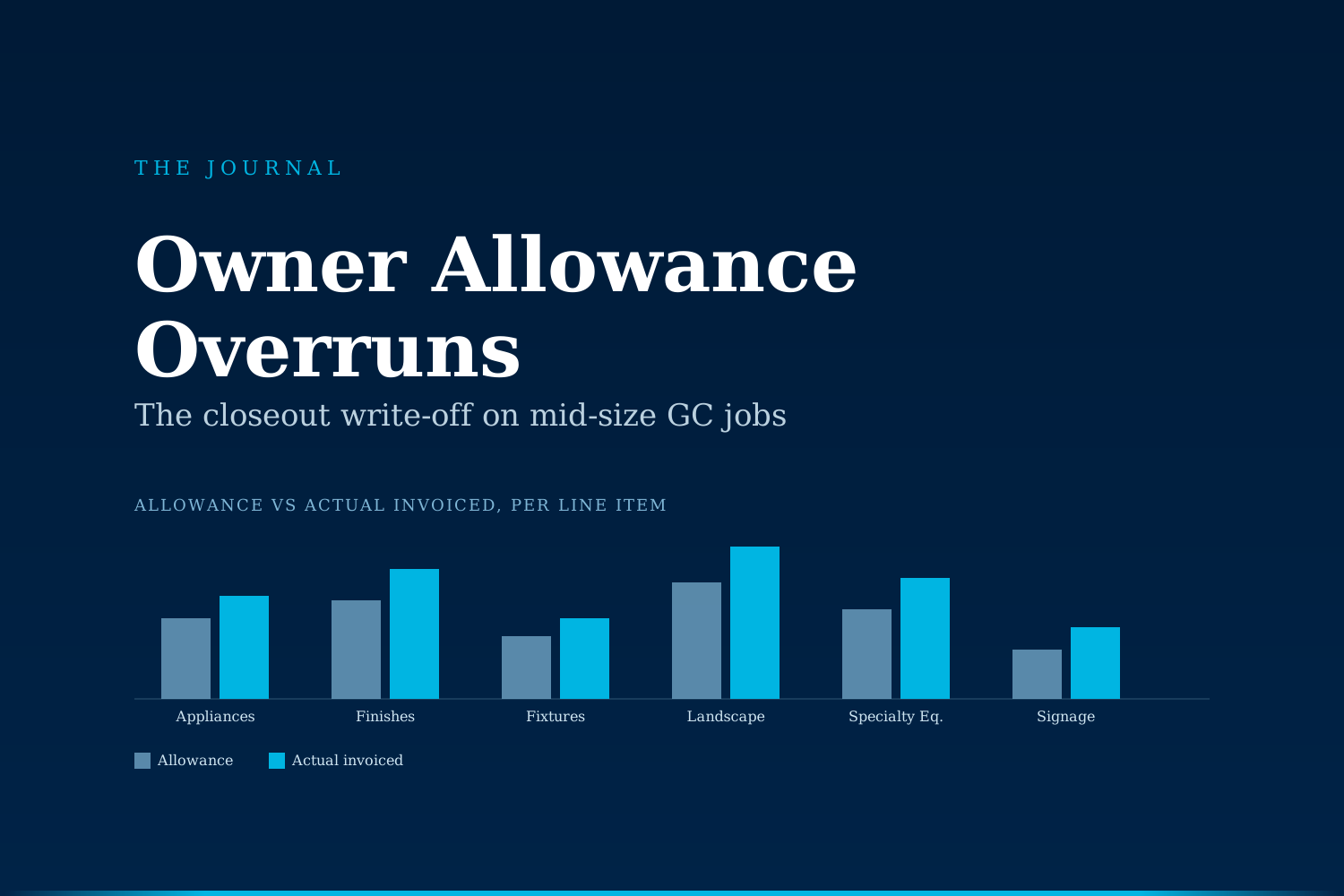
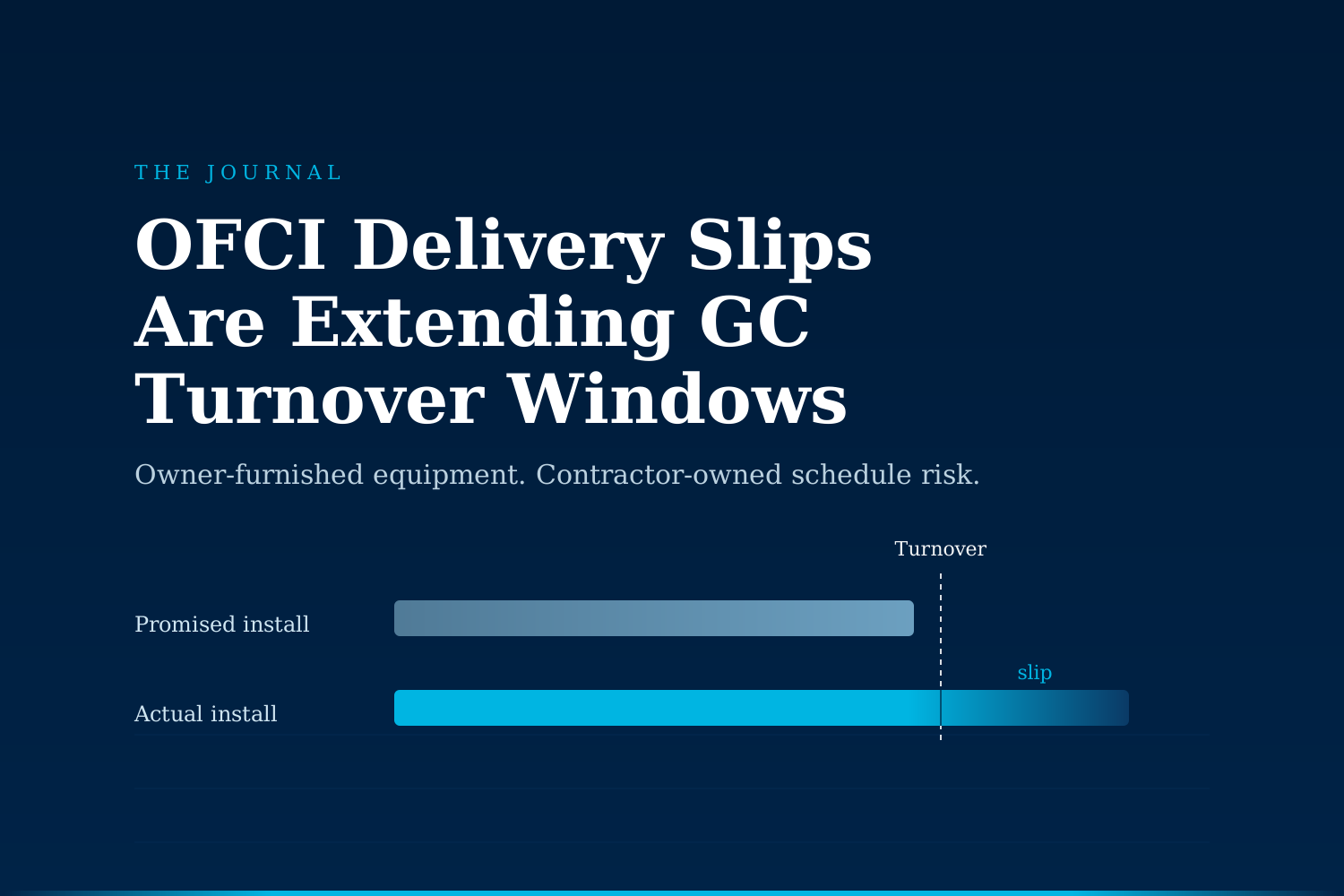
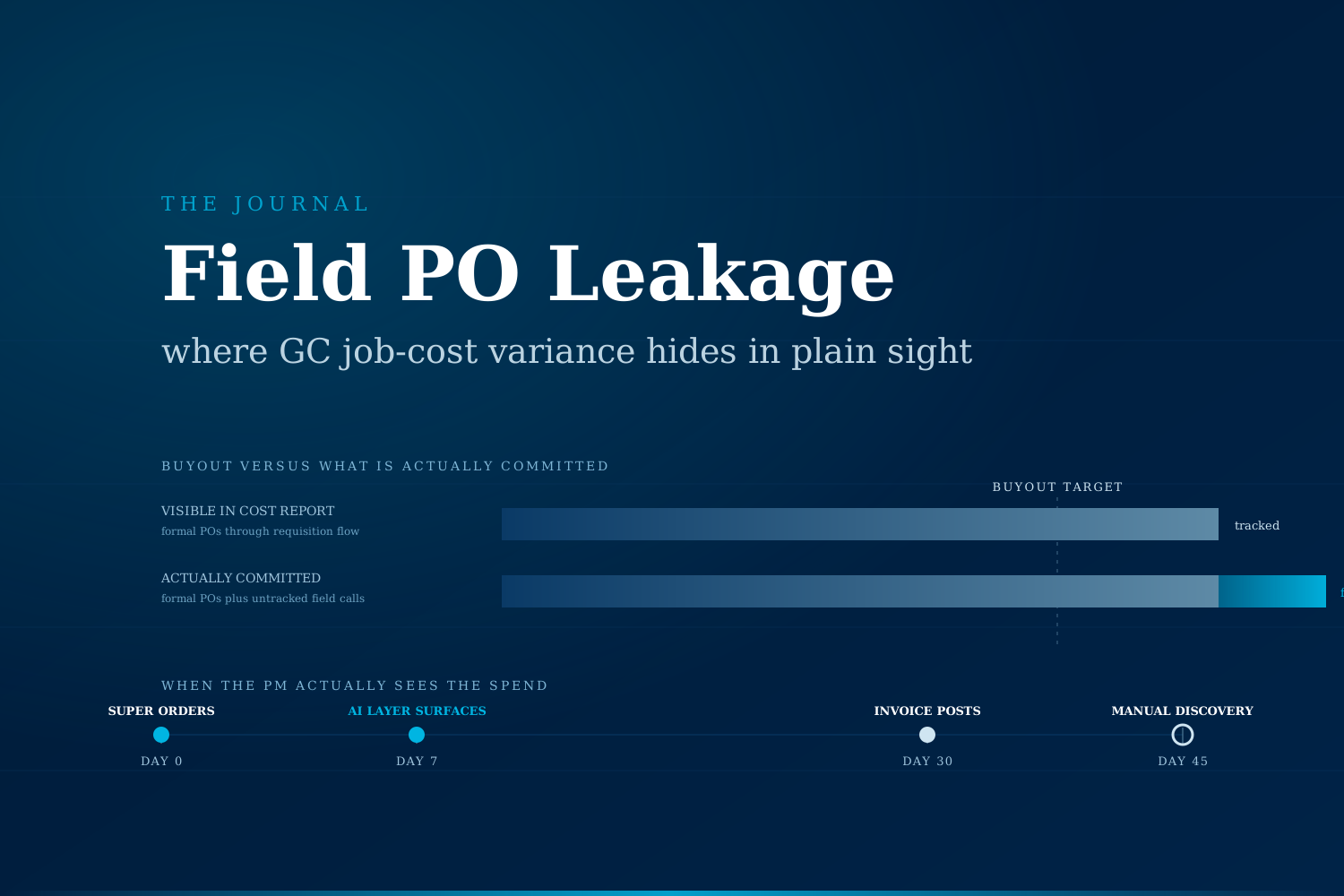
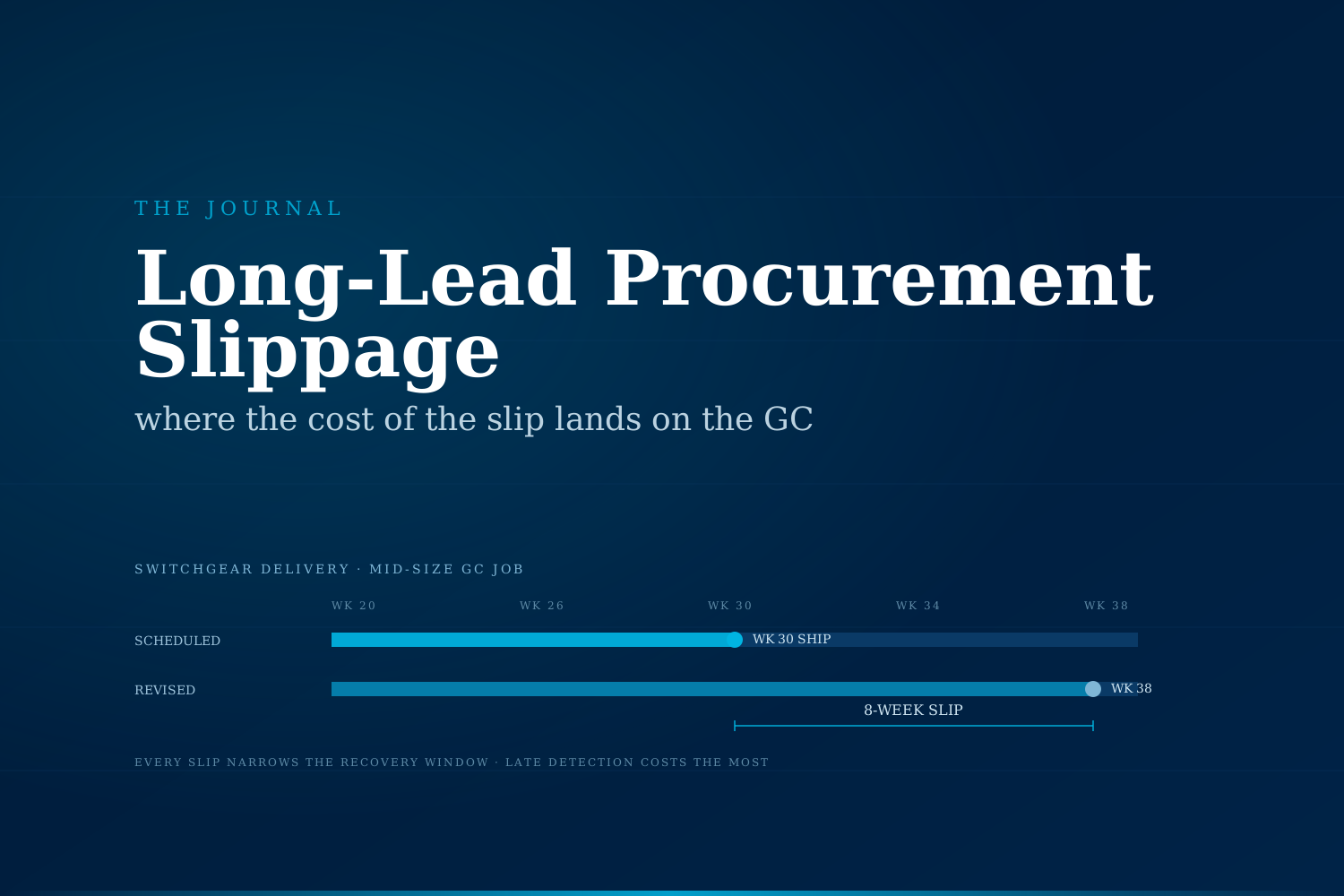
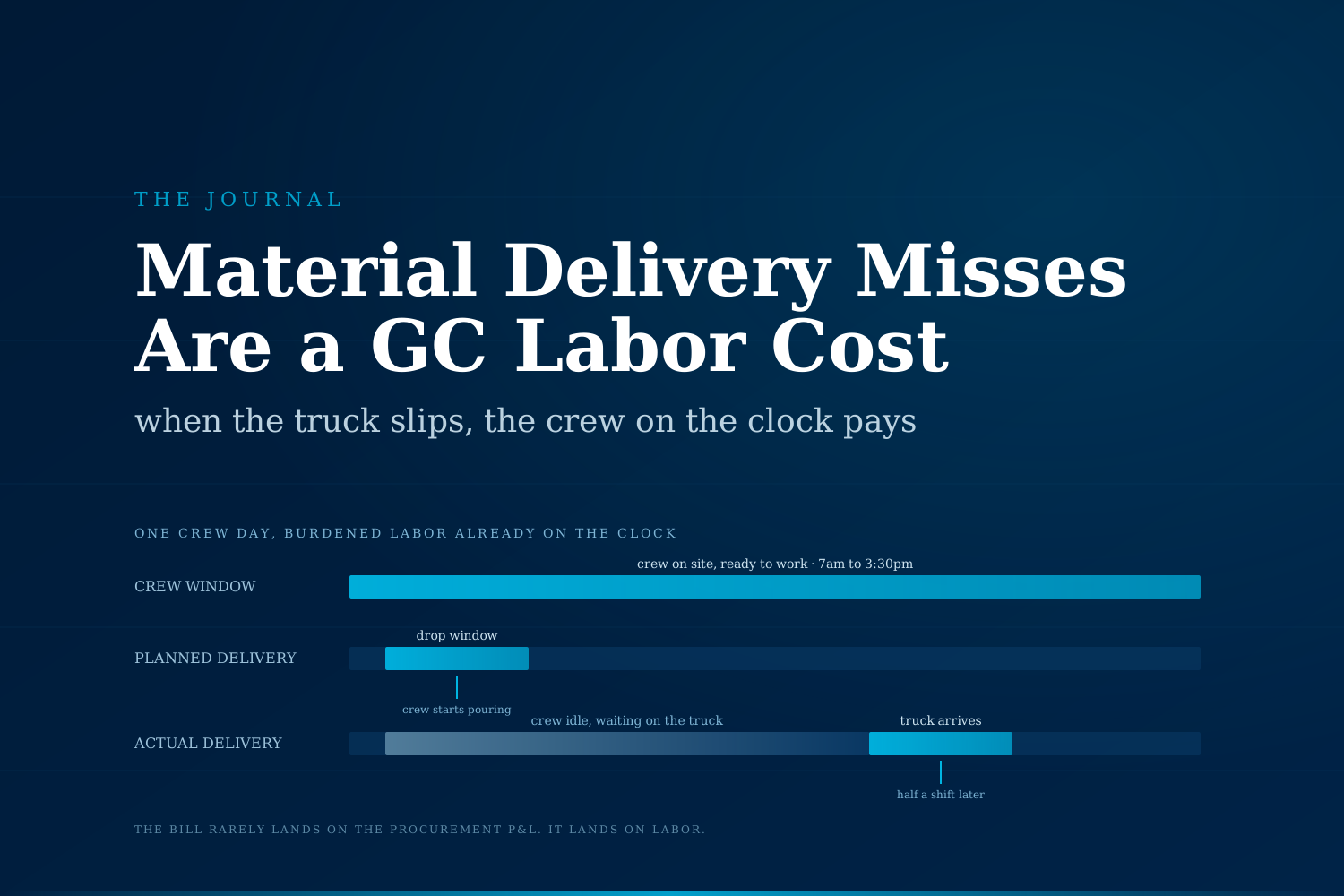
Late or wrong material deliveries on GC jobsites show up as idle labor, not procurement variance. The cost rarely lands where the lever sits.
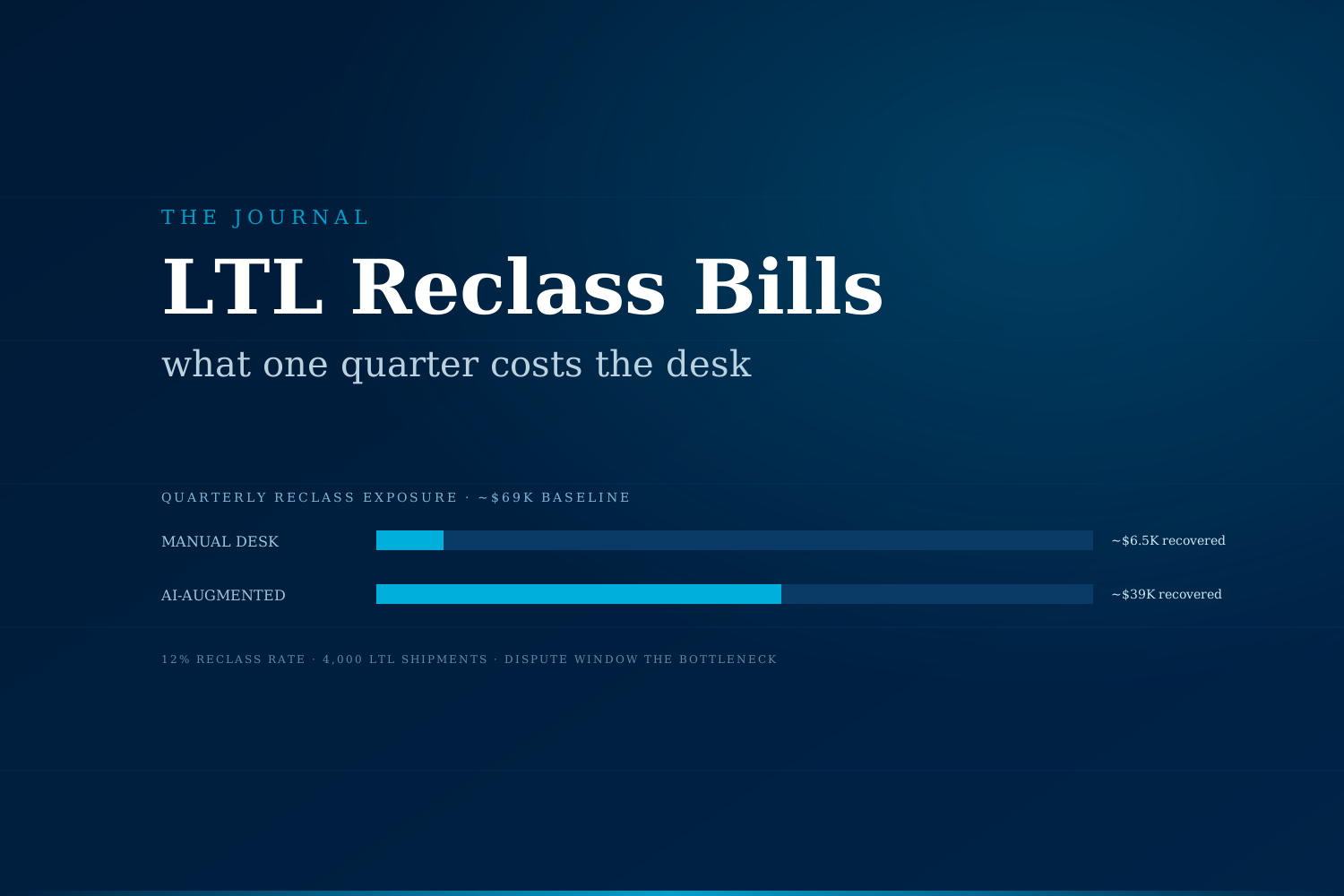
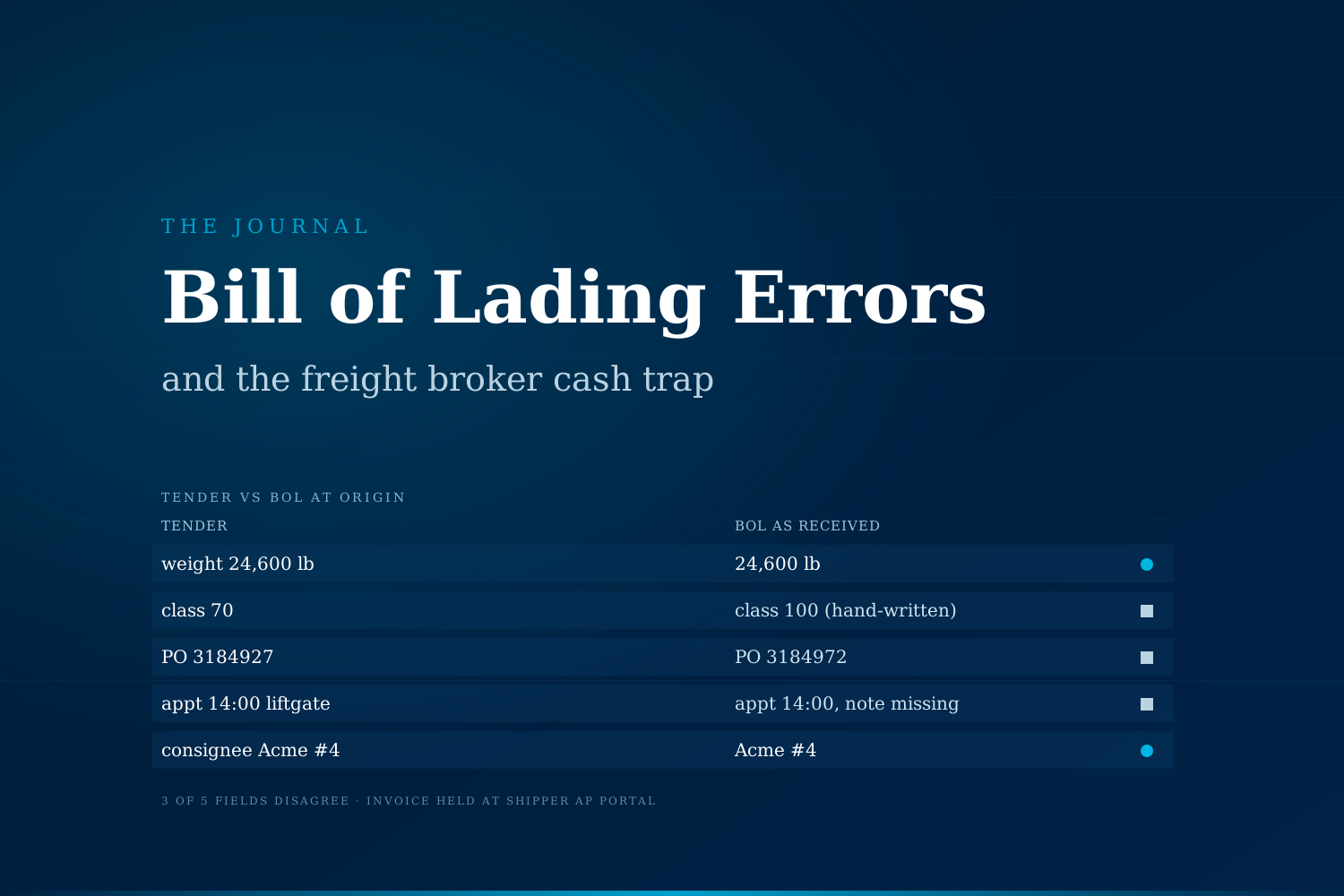
Carrier reclassification rebills land days after pickup and eat margin most LTL brokerages never claim back. Here is what the exposure looks like.
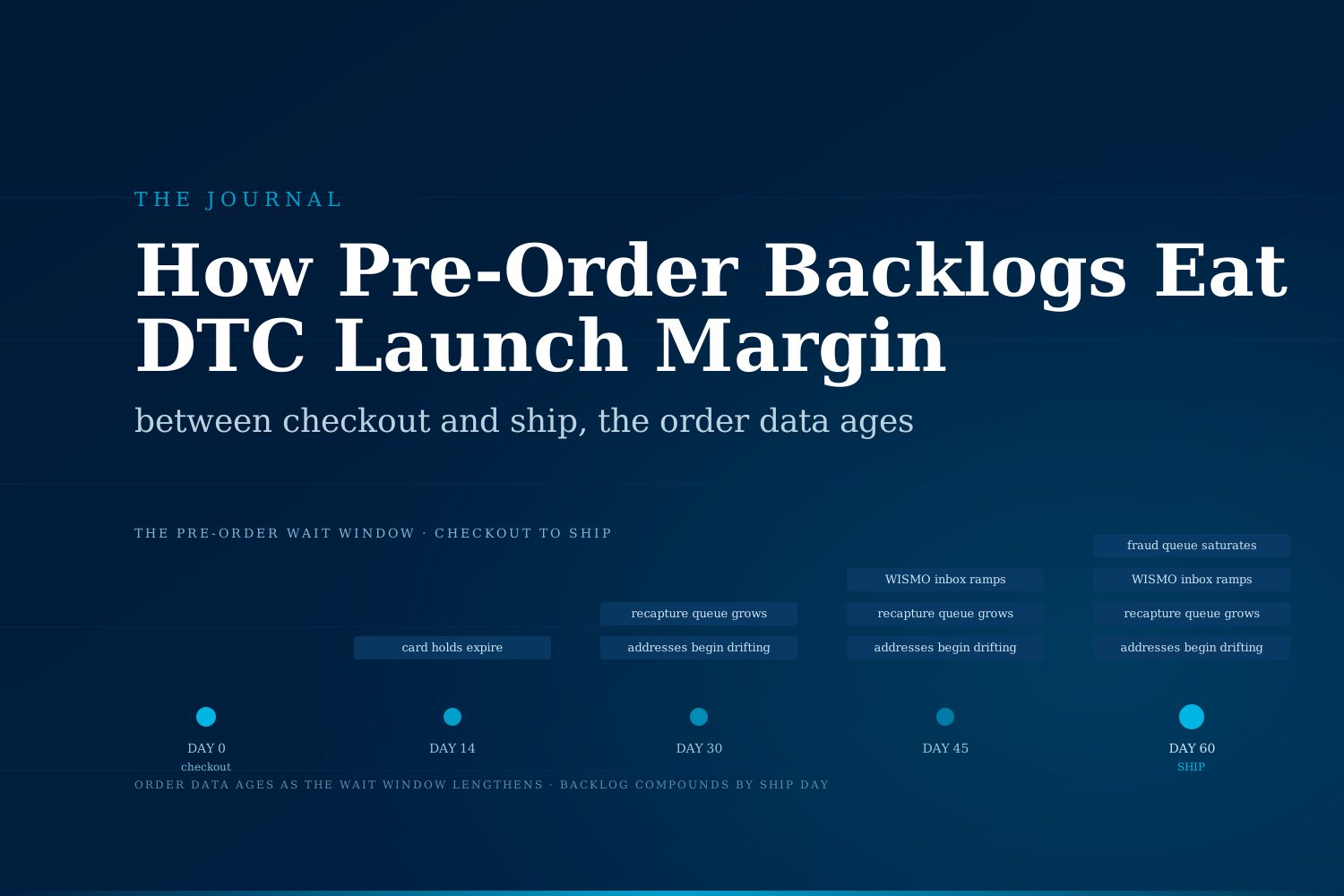
Pre-order launches at DTC brands rarely fall short on supply. They fall short on the backlog between checkout and ship: card reauths, stale addresses, allocation, fraud queues.
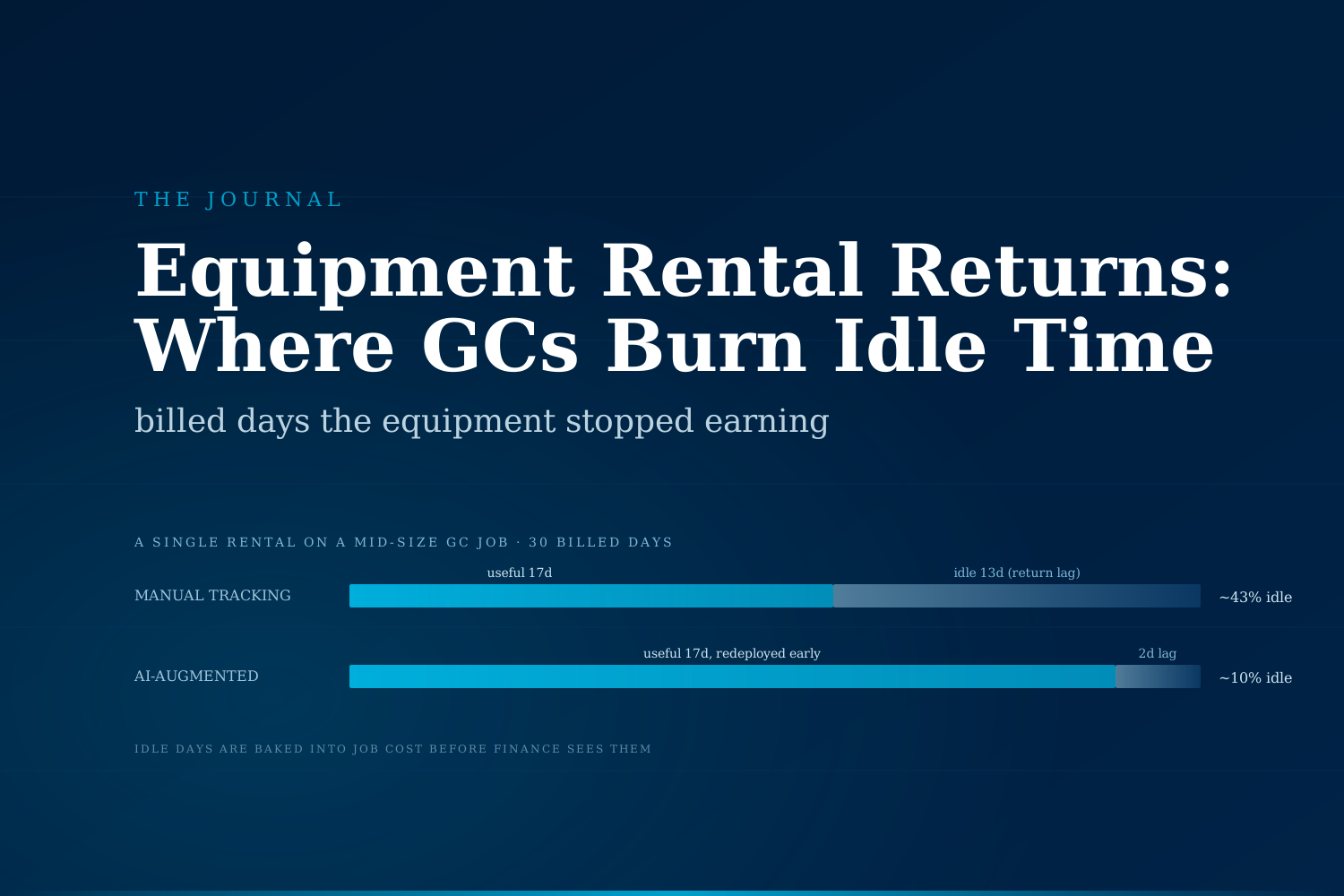
Idle days on rental equipment are one of the quietest cost lines on a GC job. Here is where the slip happens and what AI utilization tracking changes.
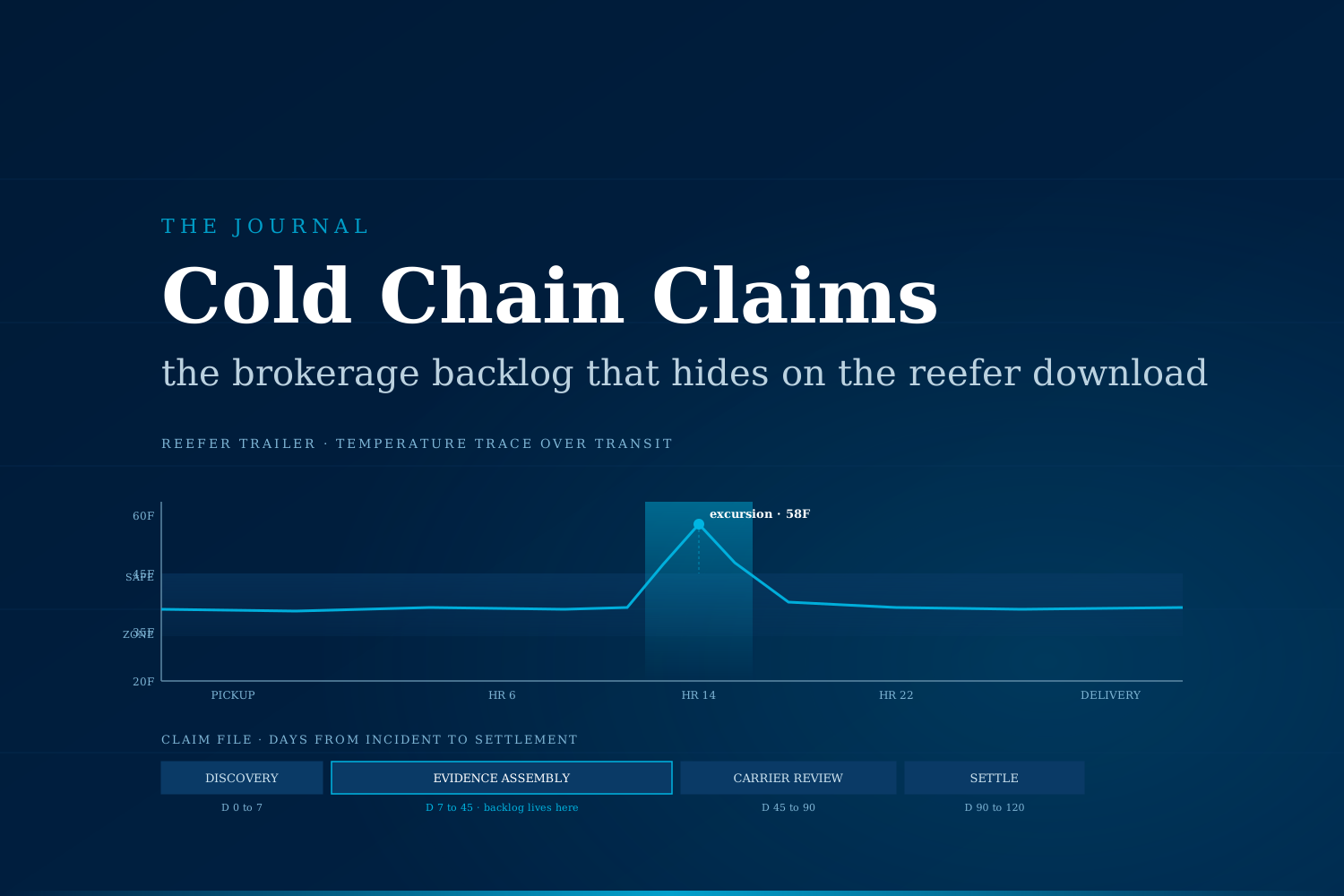
Reefer telematics, BOL exceptions, and consignee chargebacks live in three different systems. Cold chain claim files stall because the broker becomes the integration layer.
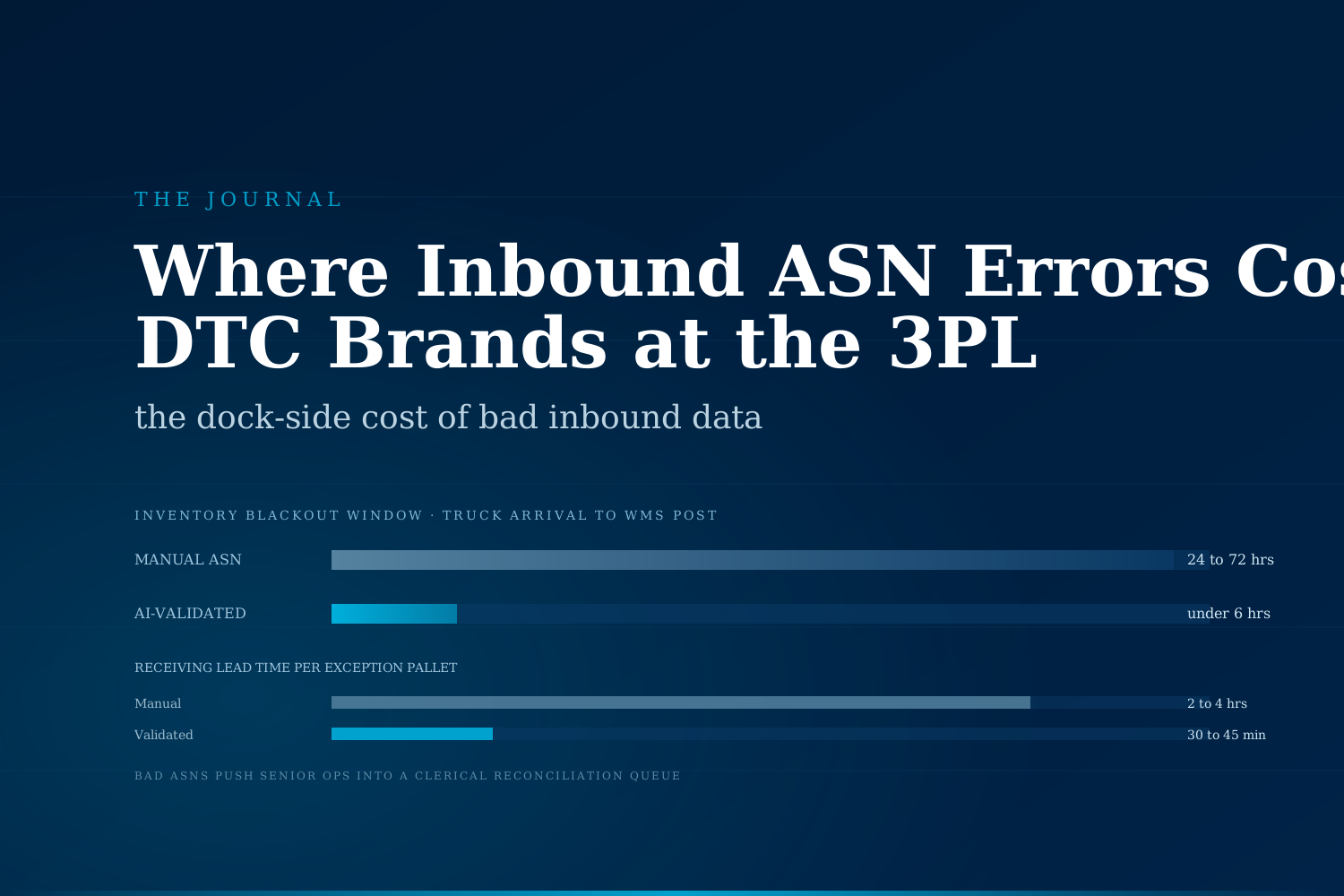
Bad inbound ASNs sit upstream of oversells, mis-stows, and 3PL reconciliation drag. Here is where the cost lands and what AI validation shifts.
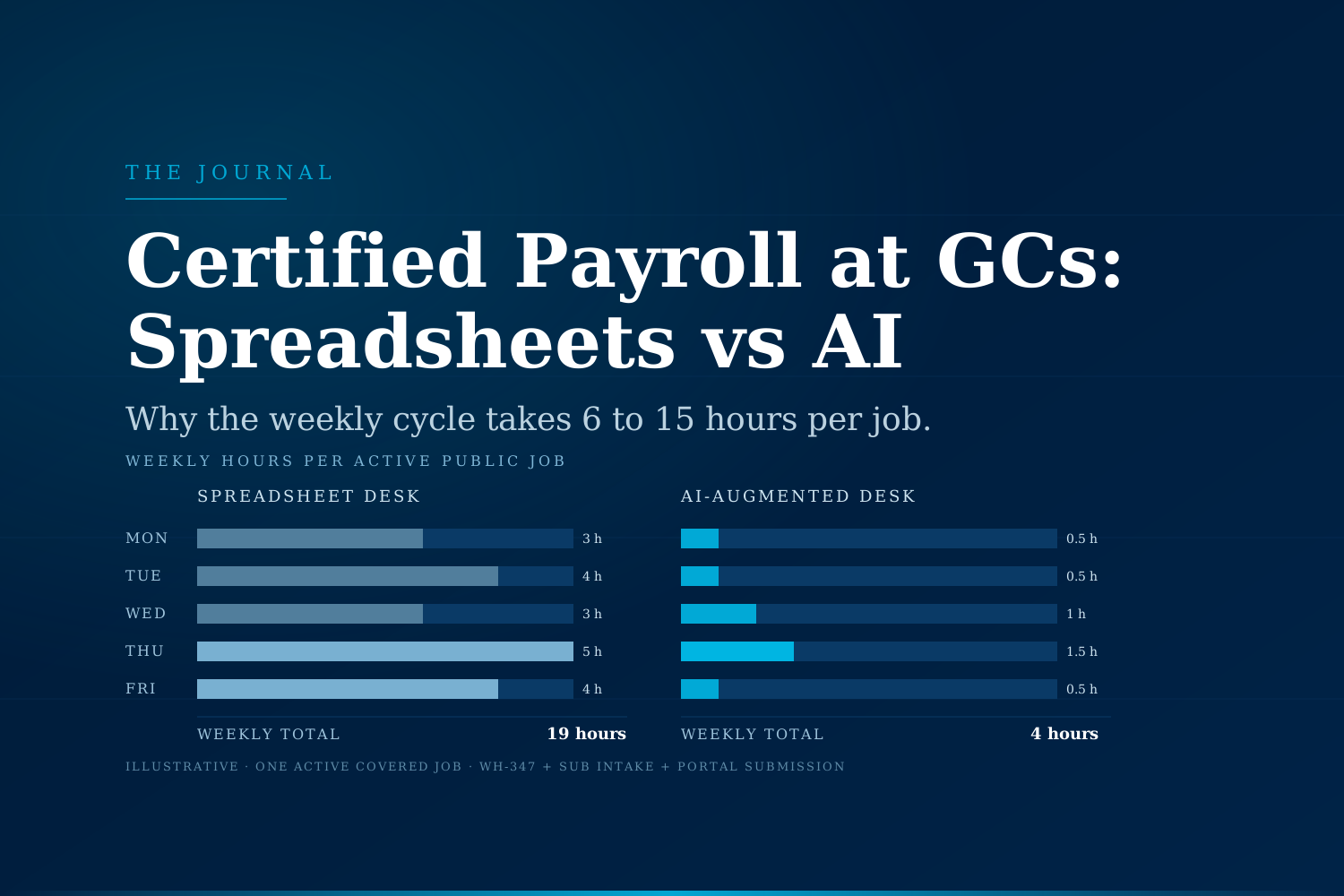
Weekly certified payroll on public-works jobs is one of the largest recurring compliance burdens on a mid-size GC's desk. AI changes where the risk lives.
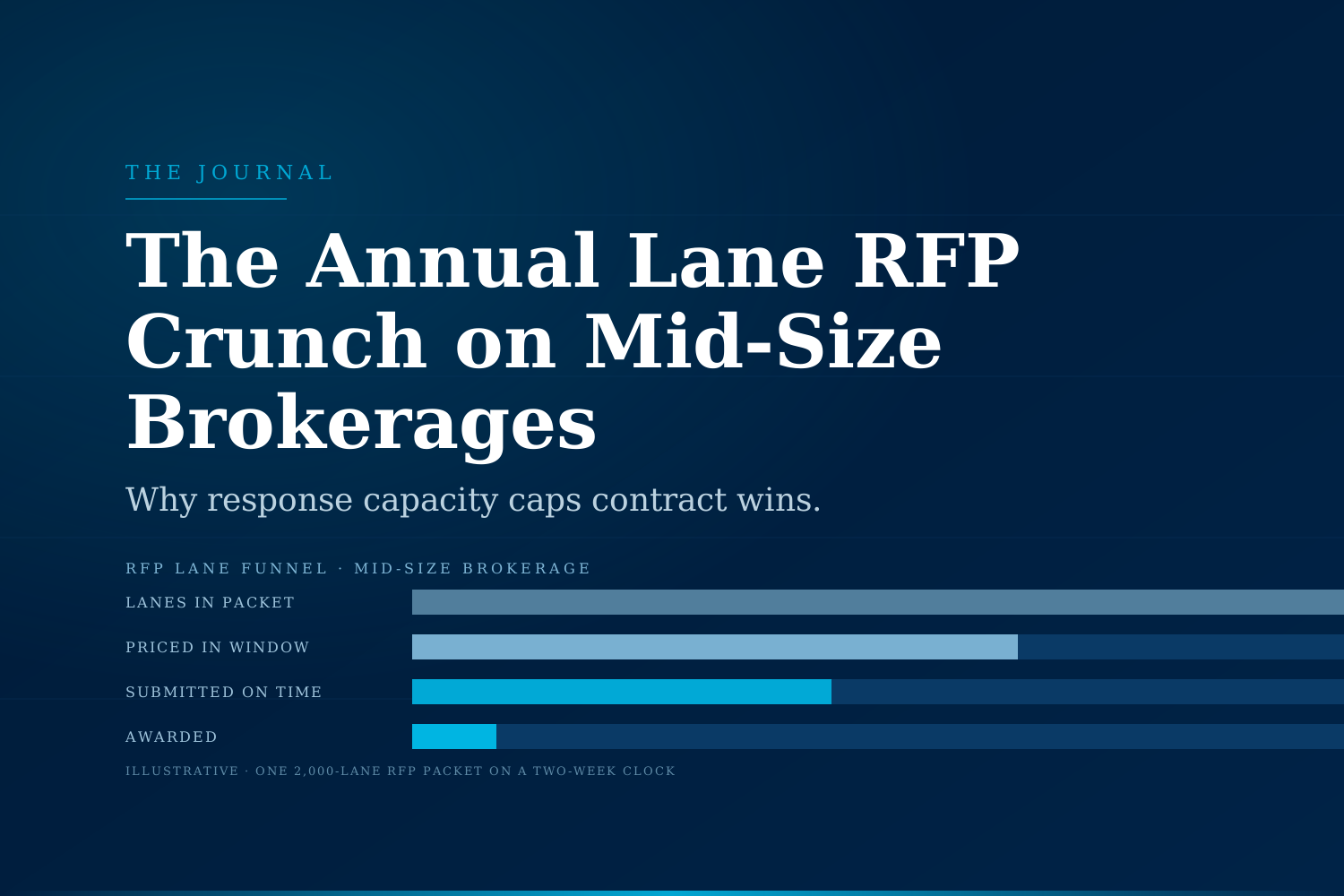
Annual lane RFPs are the highest-leverage bidding cycle a freight brokerage runs. Manual response capacity often caps how many wins it can actually book.
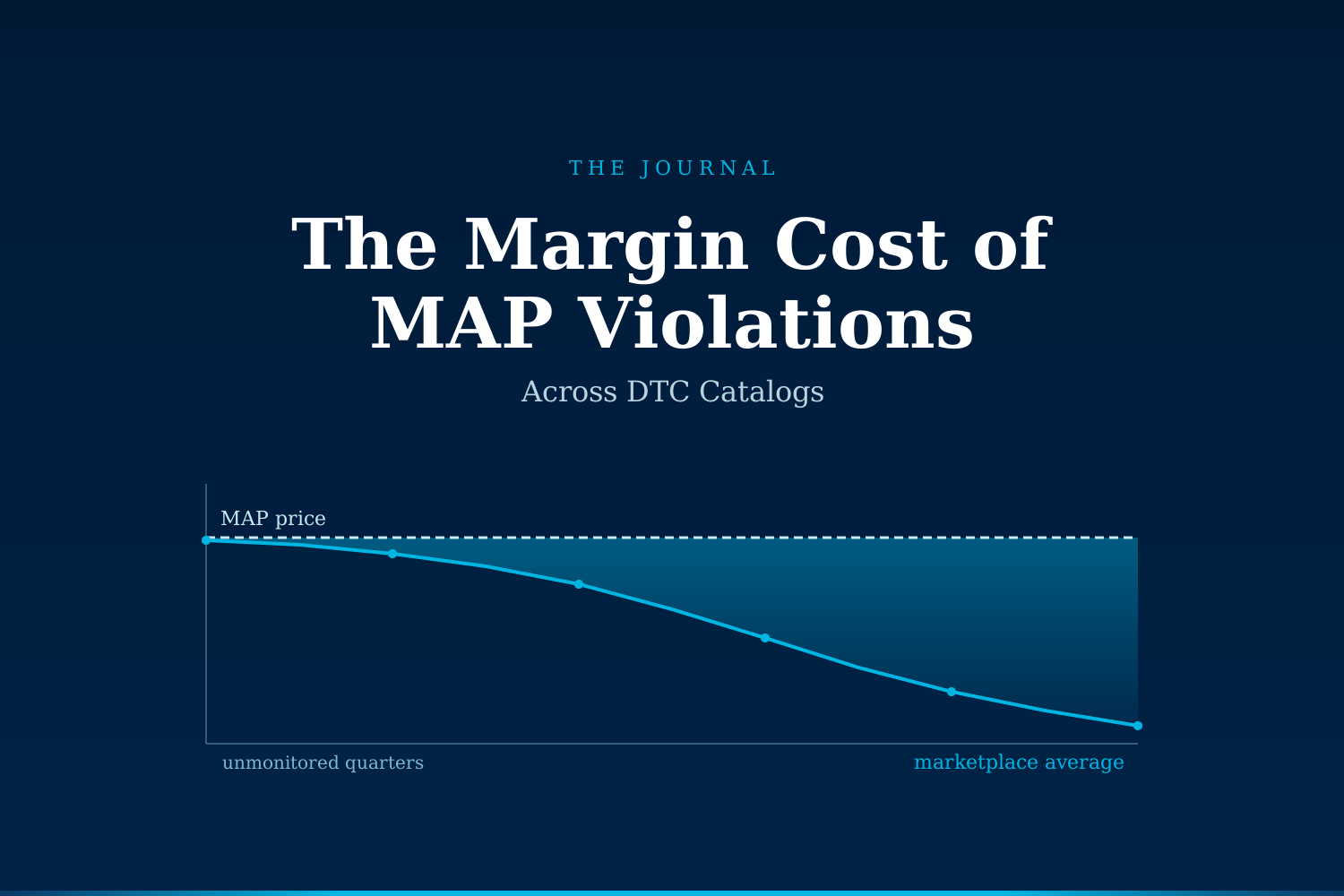
When resellers drift below MAP, the damage rarely shows up on a P&L line item. Here is where the margin actually goes, and what disciplined monitoring protects.
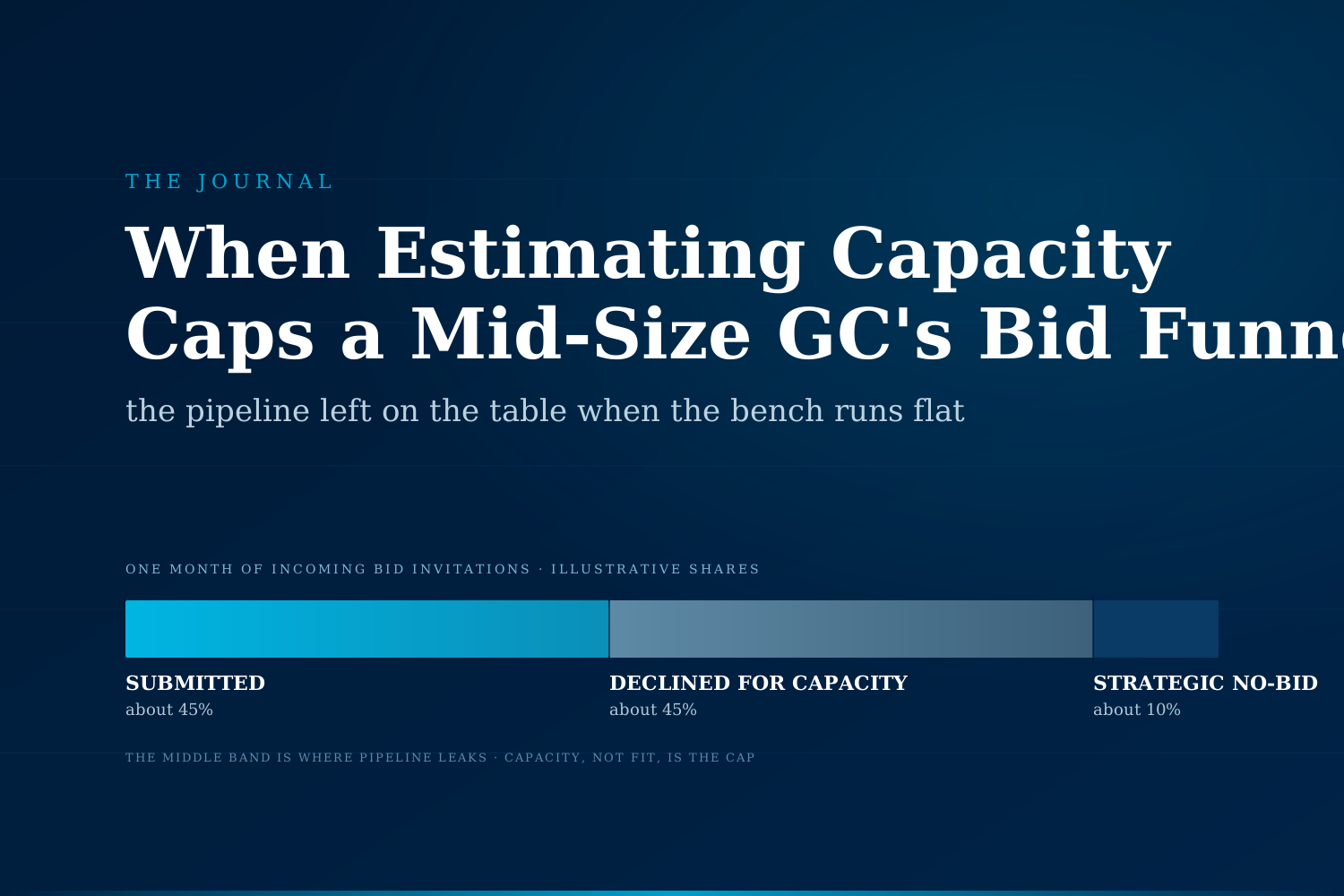
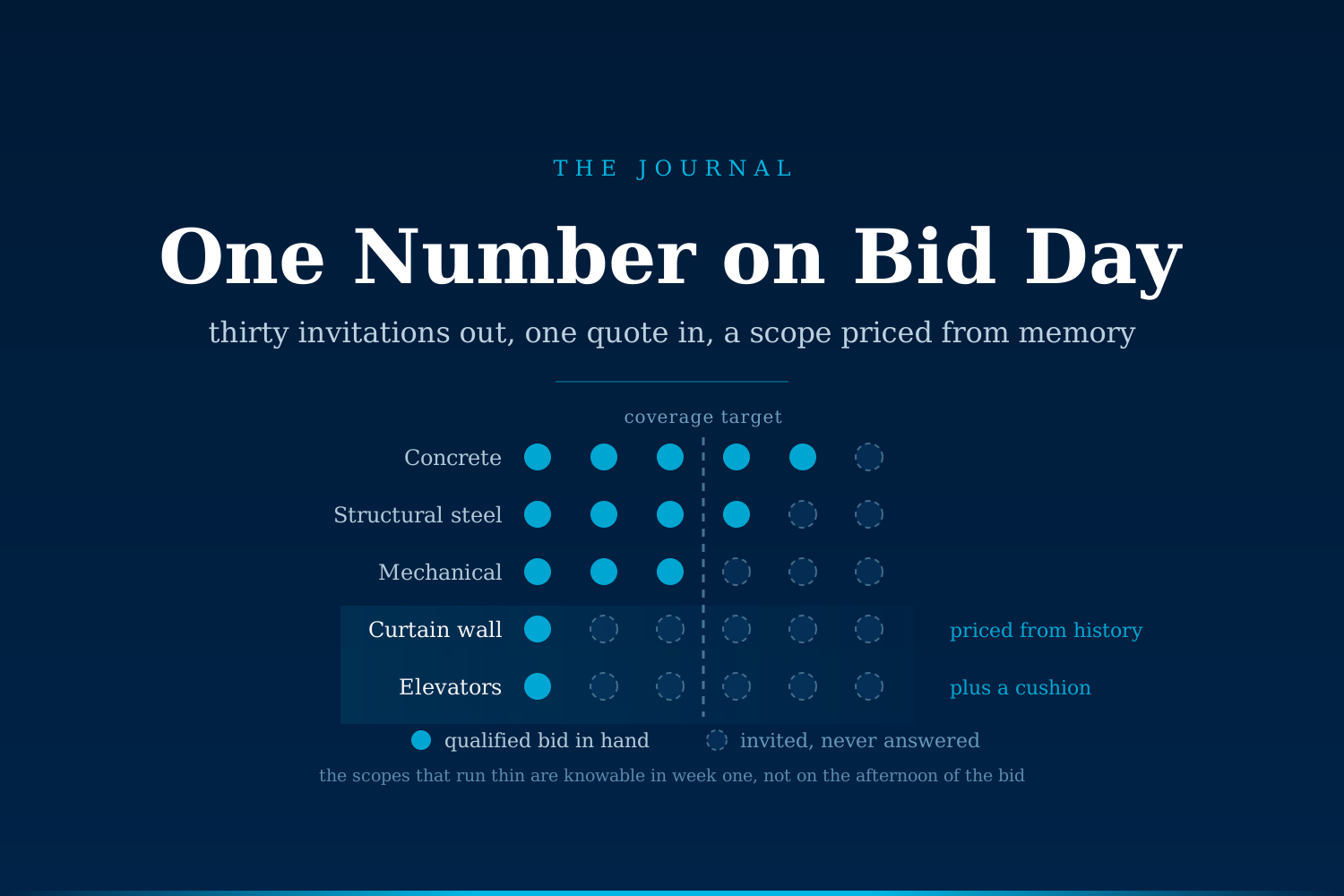
Mid-size GCs decline 40 to 60% of bid invitations because estimating capacity caps the funnel. Here is the cost, the signals, and what shifts with AI.
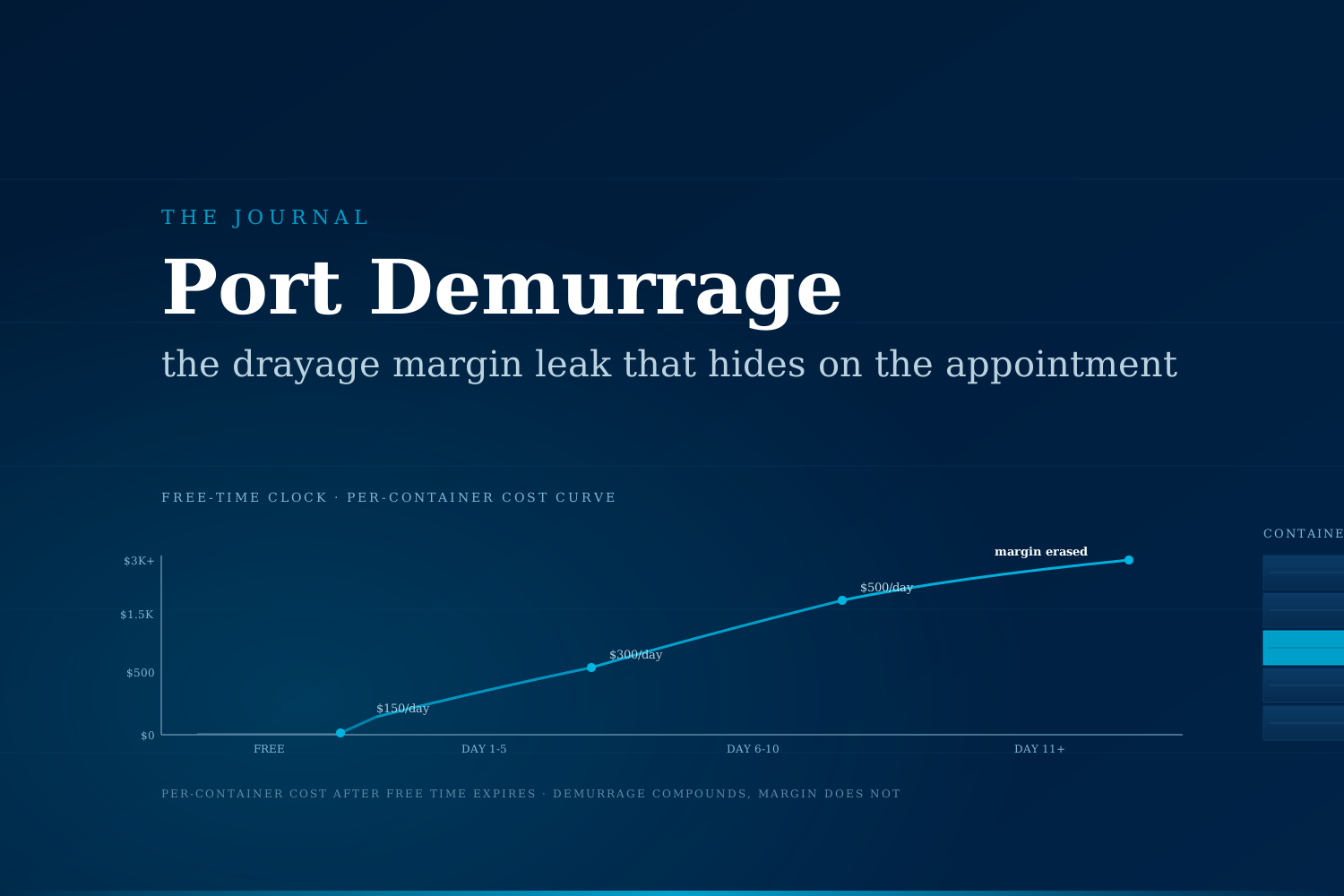
Demurrage charges compound on import containers that miss their free-time window. Drayage brokerage margin slips on the appointment, not the move.
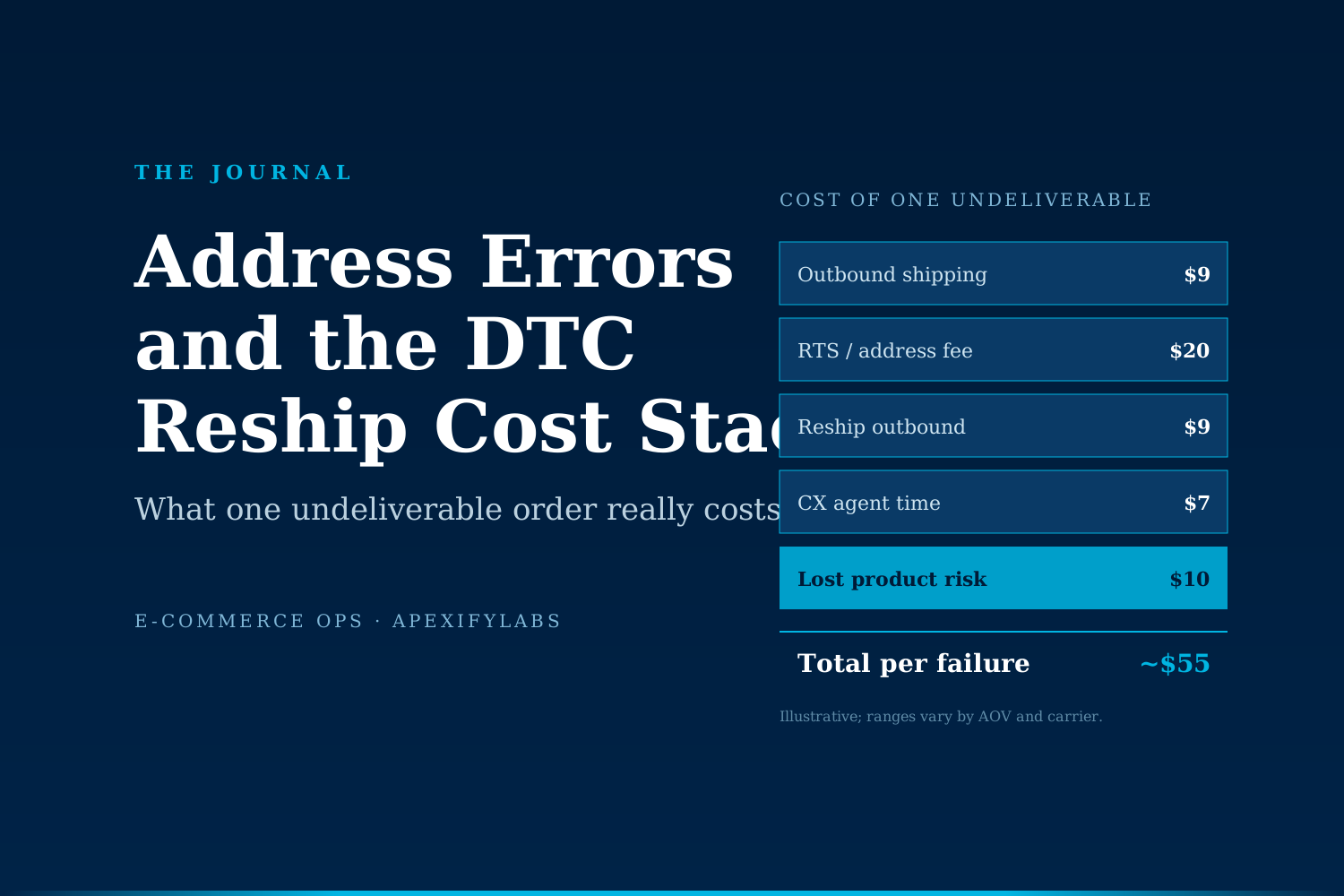
Undeliverable DTC orders cost far more than the reship fee. A look at the full cost stack and what shifts when address validation moves to checkout.
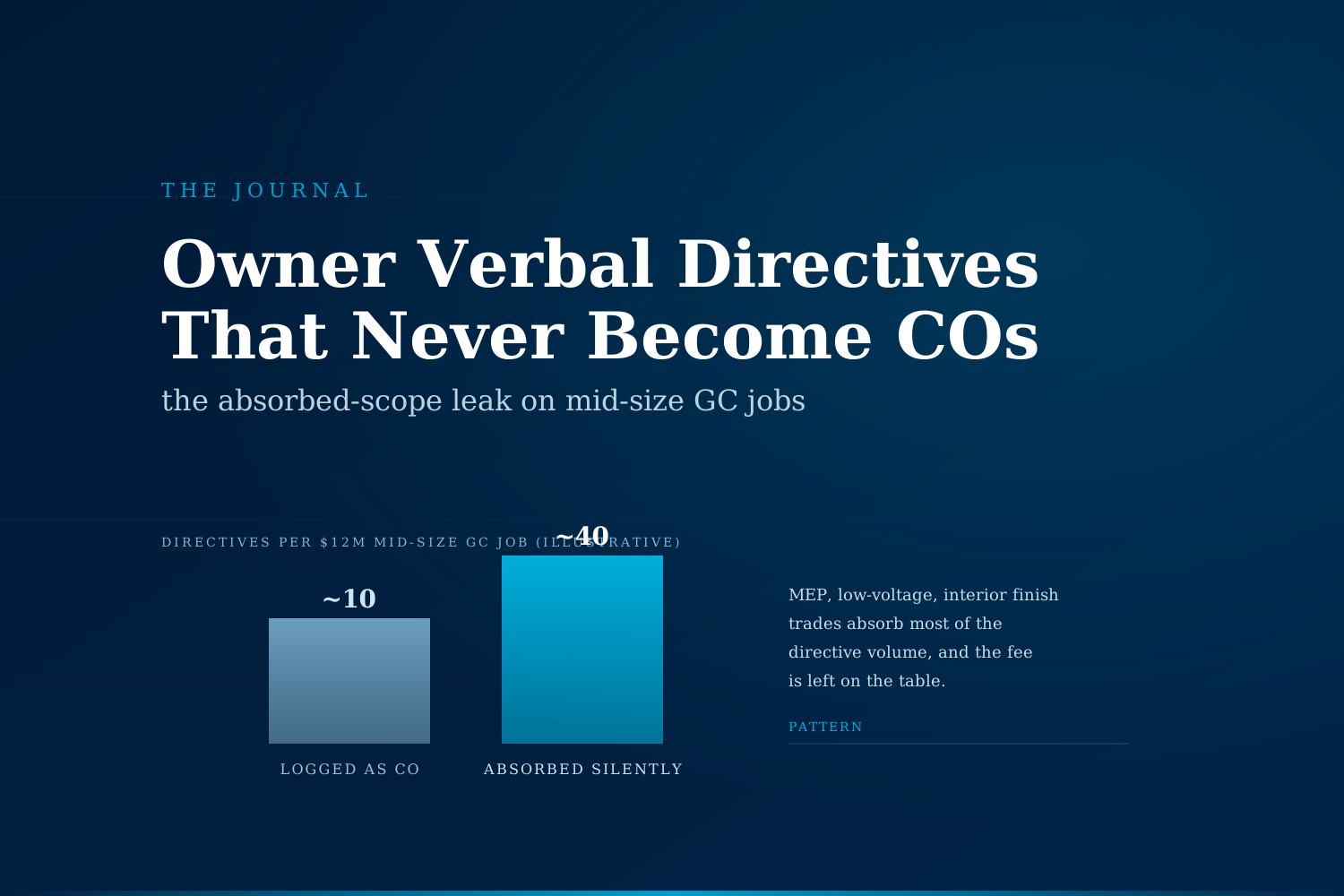
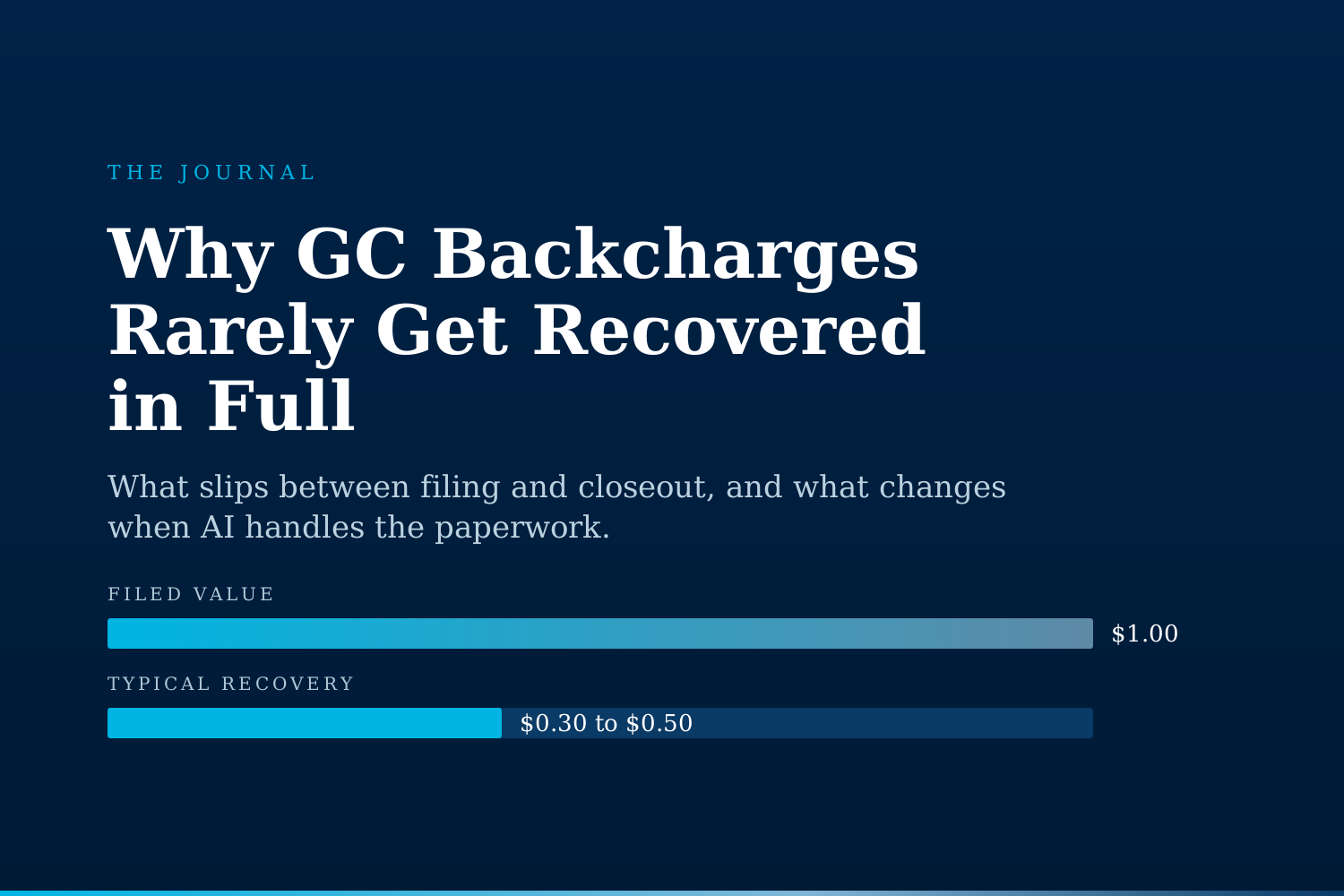
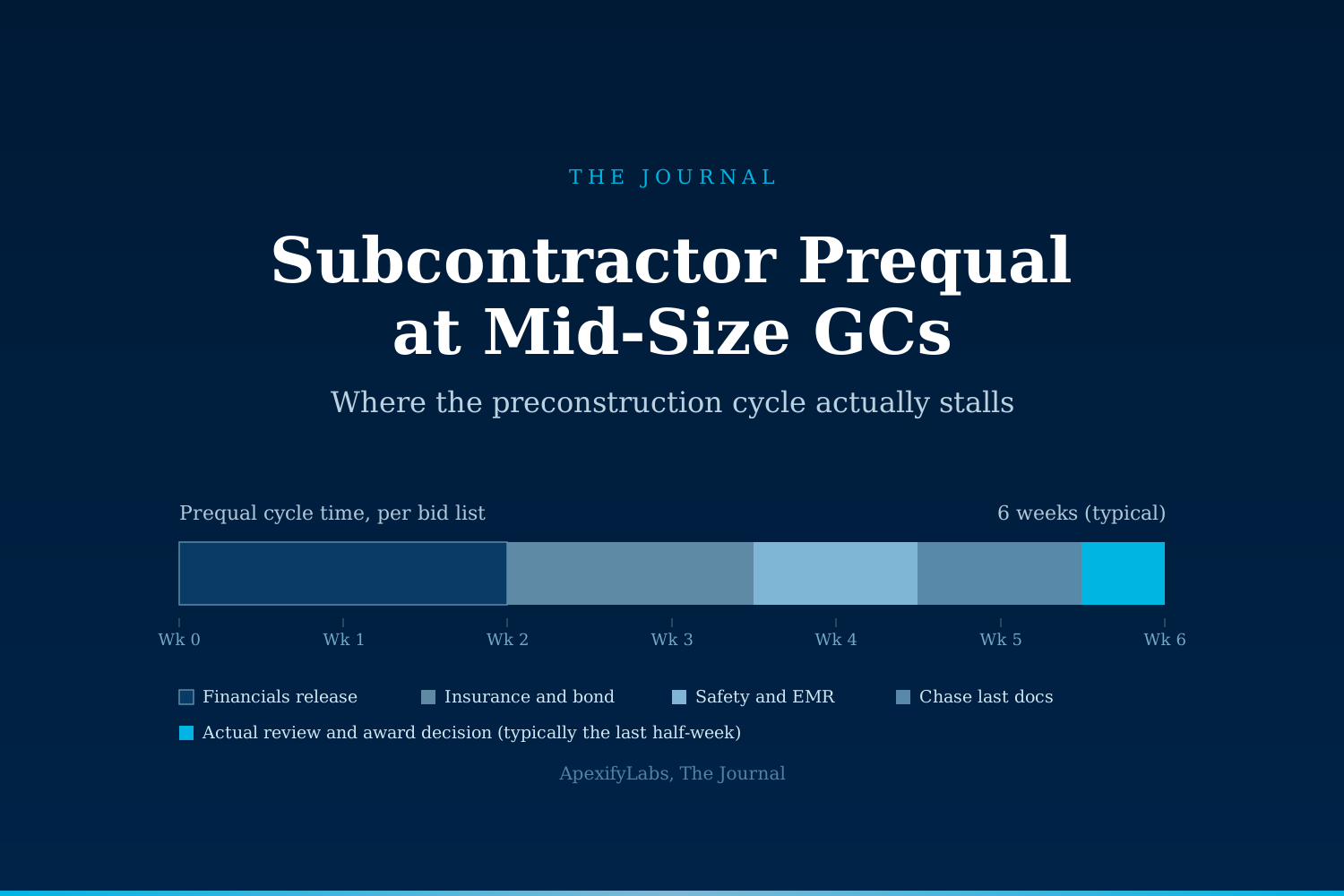
On most mid-size GCs' books, only a portion of issued subcontractor backcharges survive closeout. Here is what disappears between the field event and the final pay app.
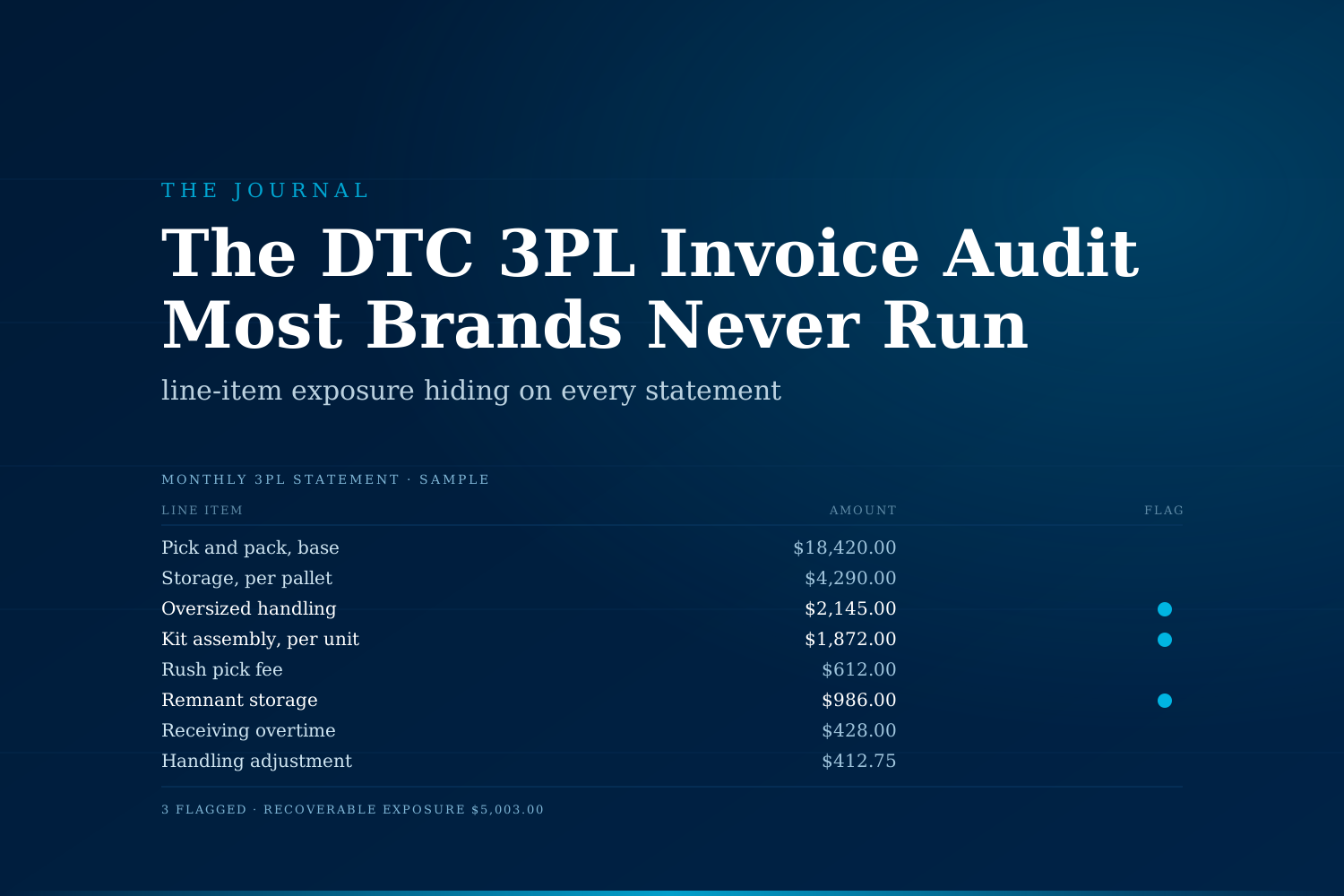
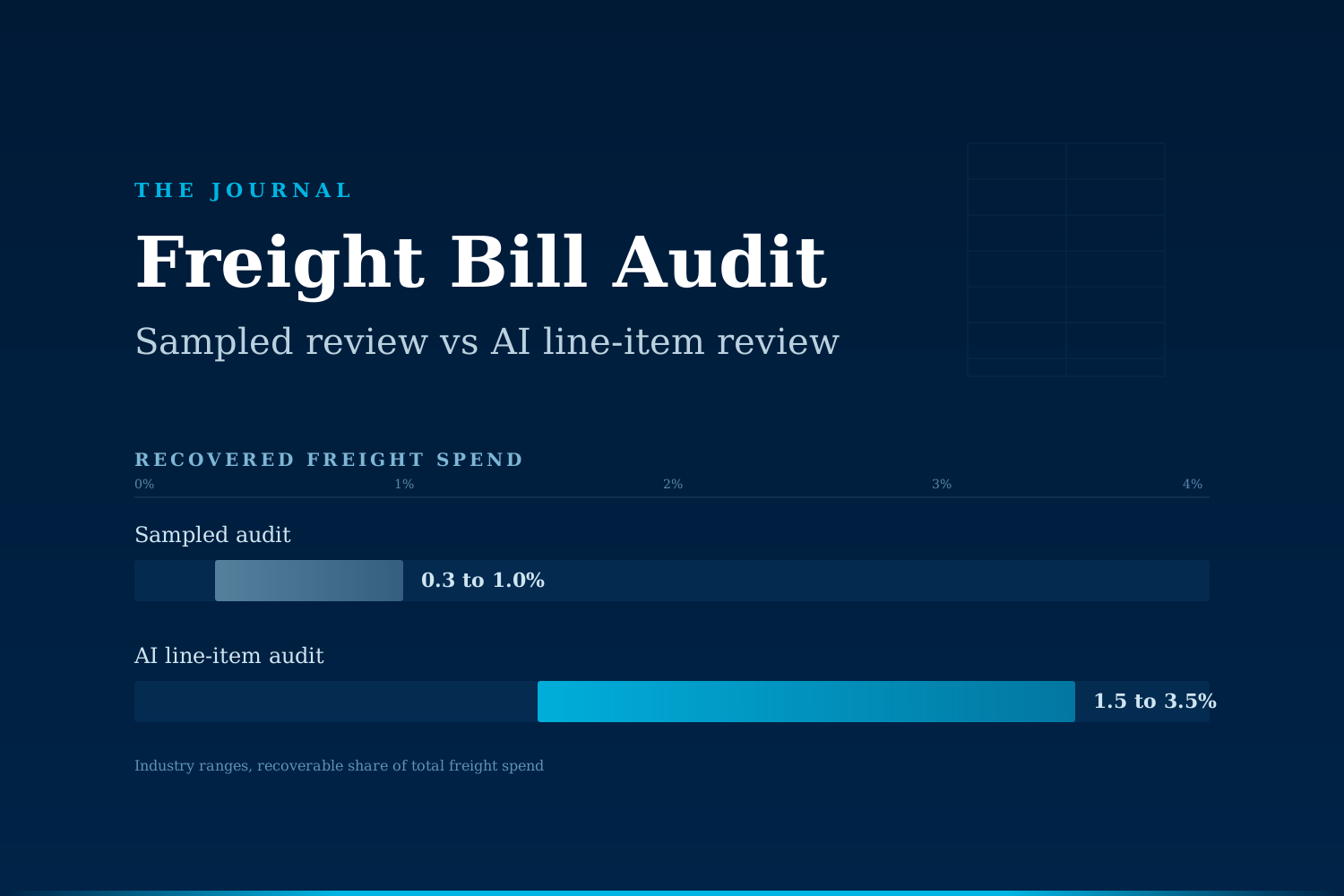
Sampled freight bill audit misses systematic small overcharges. AI line-item review reads every invoice against the contract, and the recovered margin shows up.
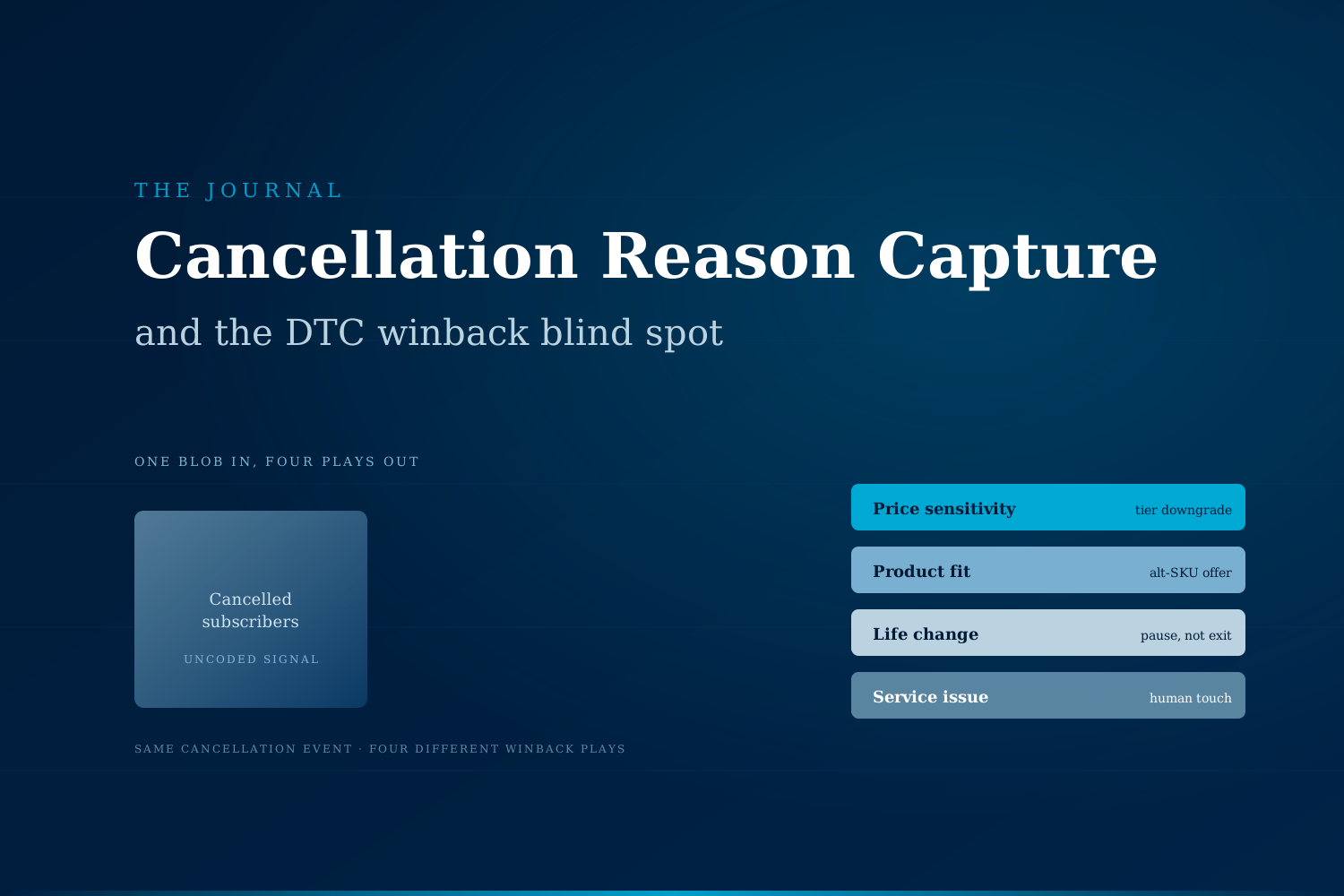
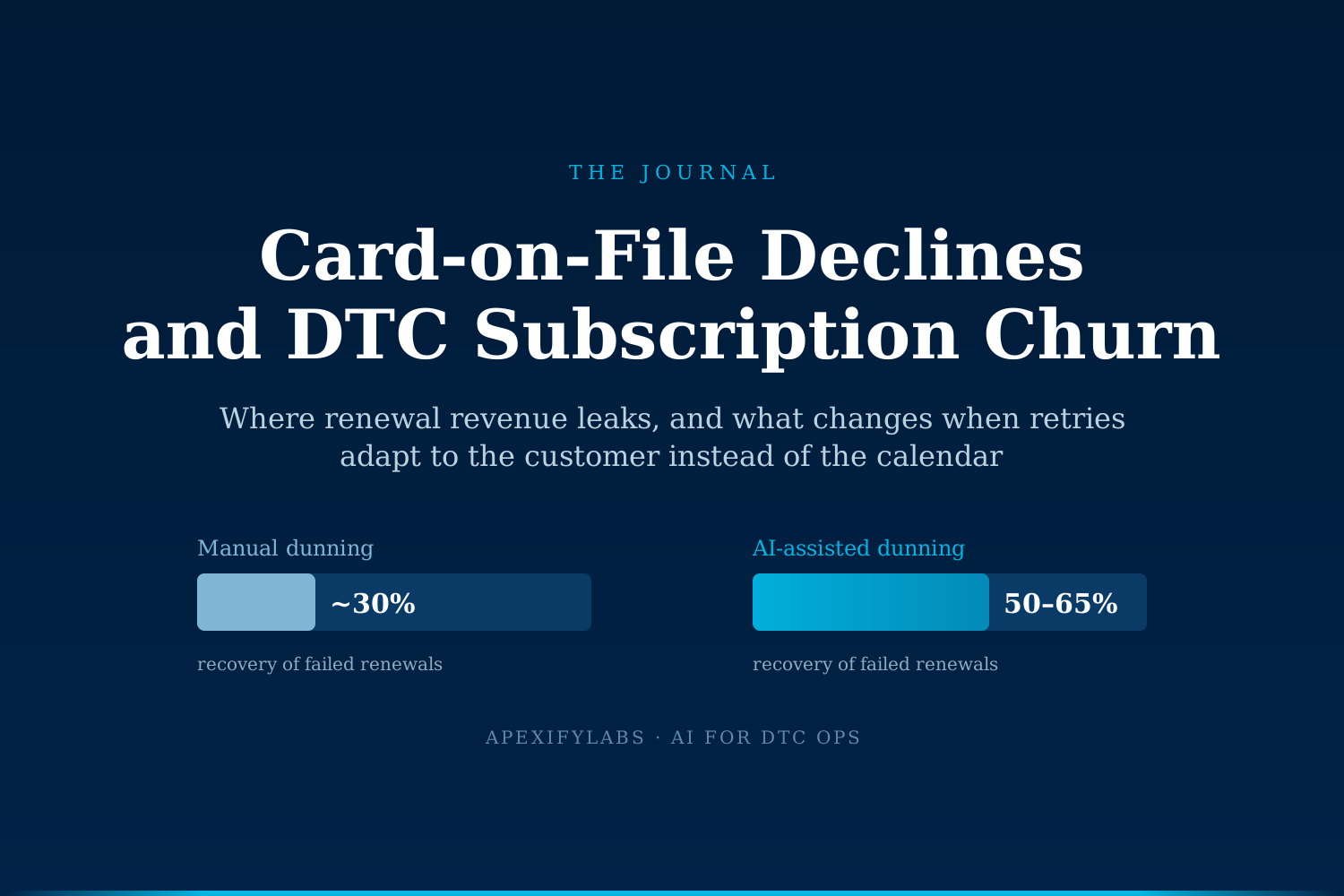
Failed renewal payments drive 20 to 40 percent of DTC subscription churn at most brands. Most desks still treat dunning as a billing problem, not a customer one.
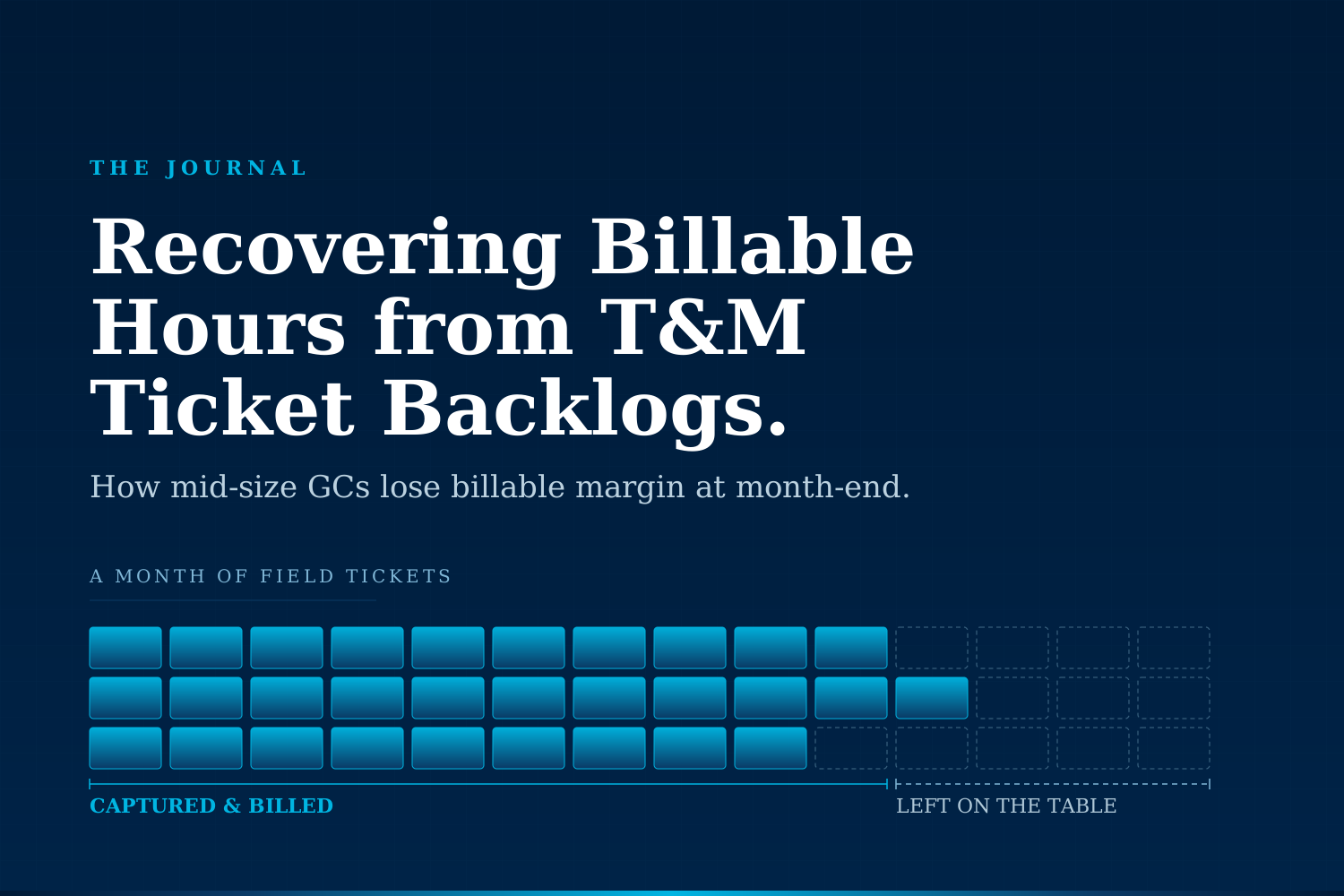
Mid-size general contractors leave real revenue inside unreconciled time and materials tickets. The work happens, the paperwork slips, the margin disappears at month-end.
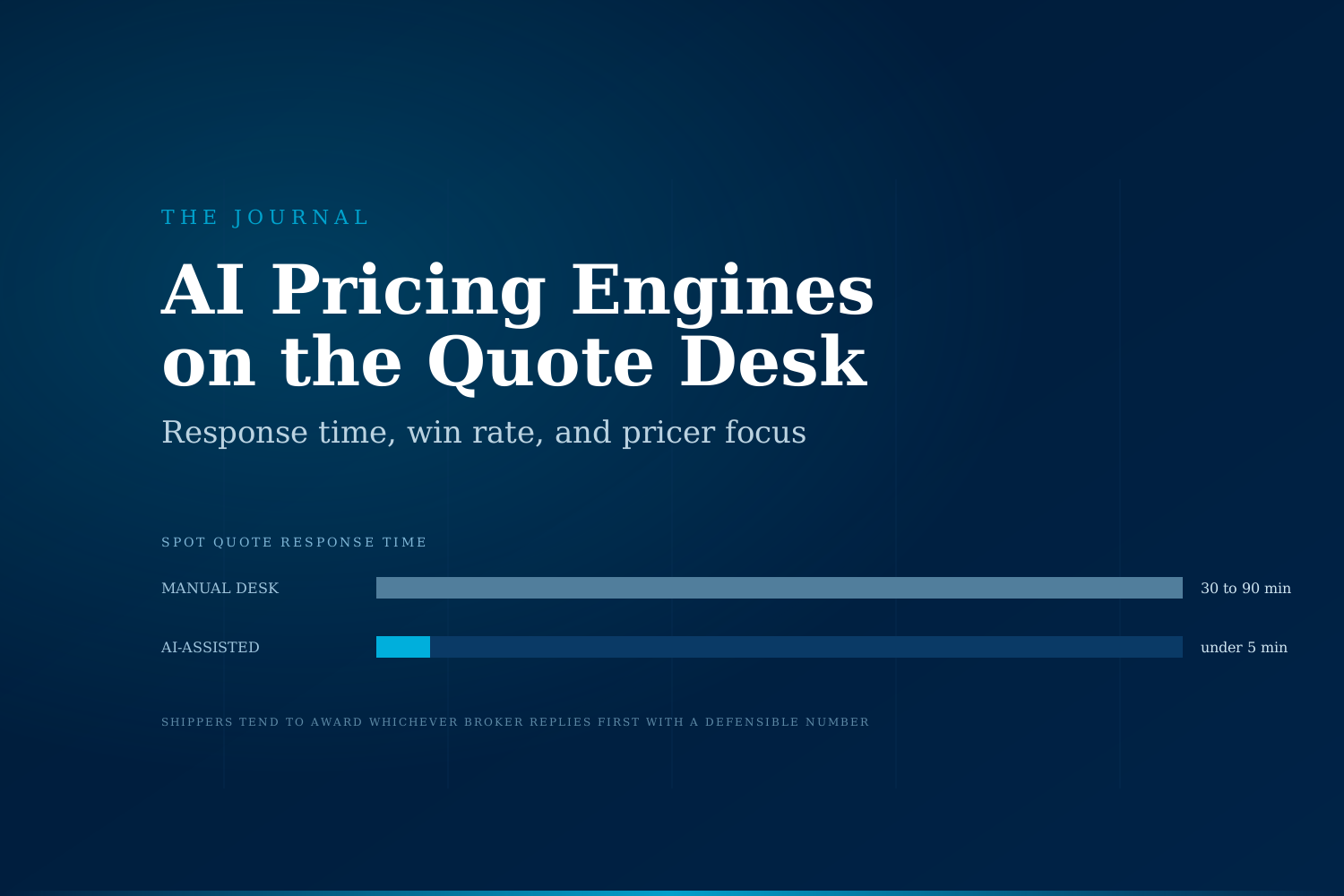
AI pricing engines compress freight quote response time from hours to seconds, shift desk capacity toward judgment loads, and tighten win/loss math for mid-size brokers.
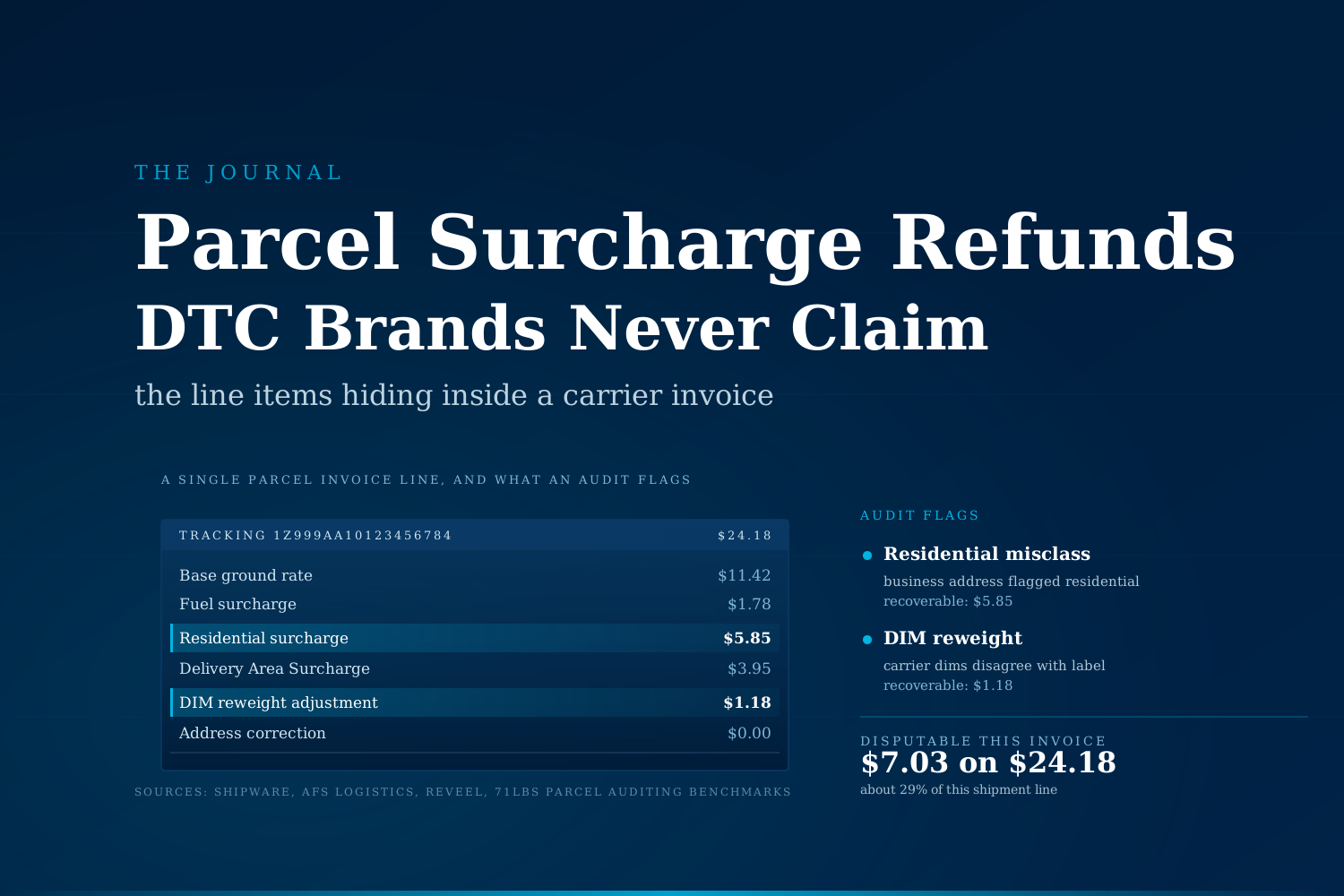
Most mid-size DTC brands pay UPS and FedEx invoices in full and never file a refund. The recoverable money is real, time-bound, and routinely left behind.
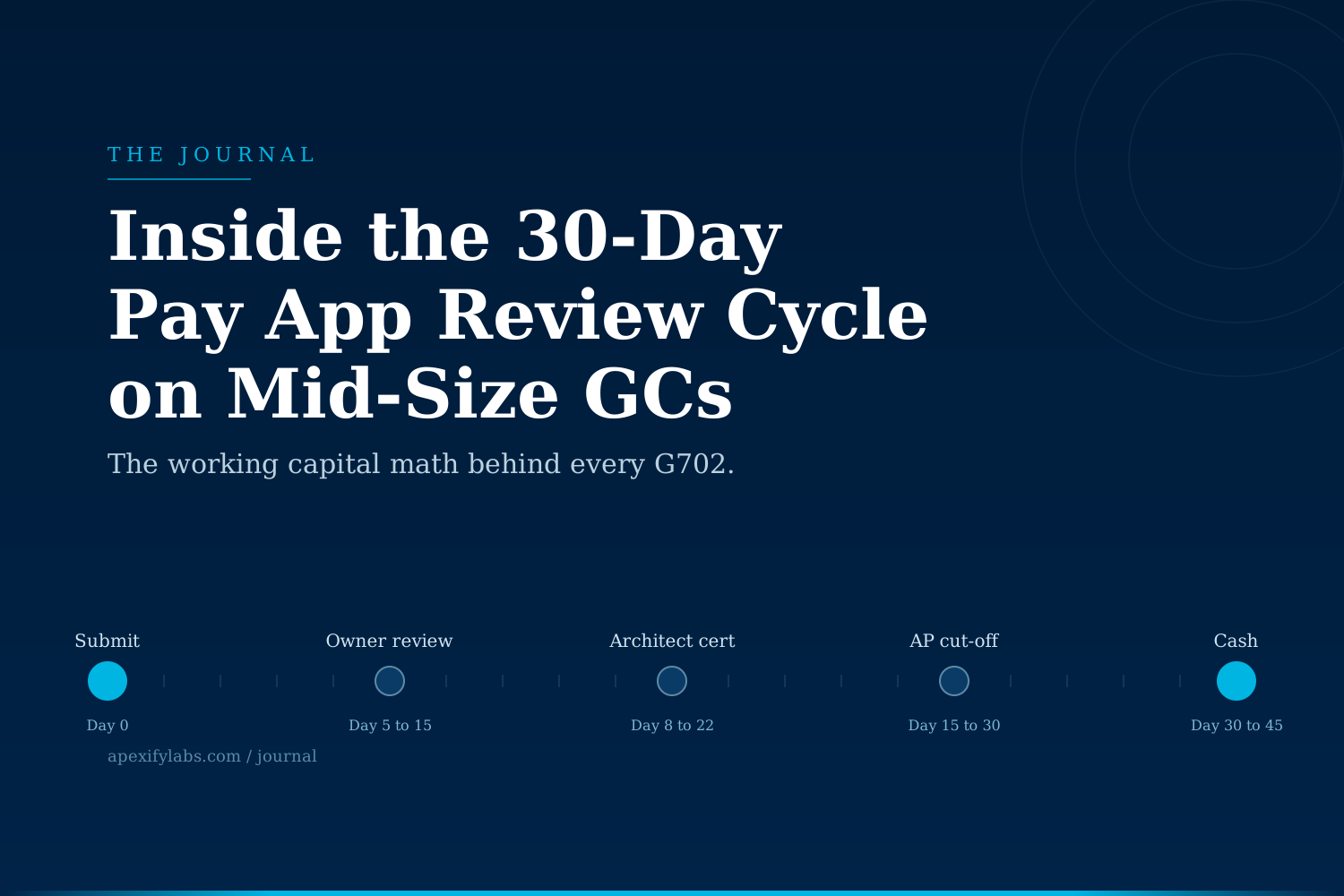
Inside a mid-size GC's billing cycle, the trip from submitted pay app to deposited cash runs 30 to 45 days. Most of the delay sits in review, not float.
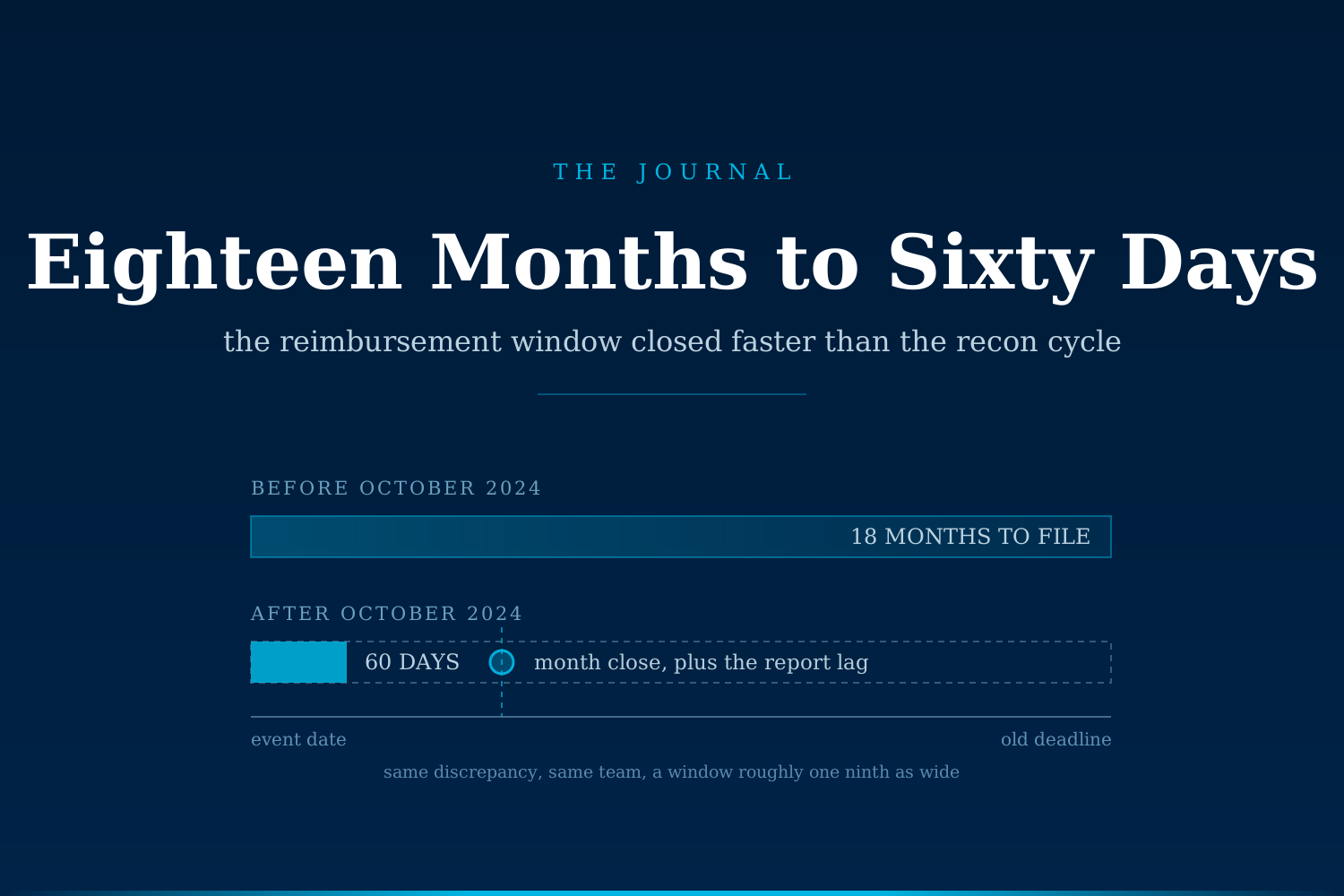
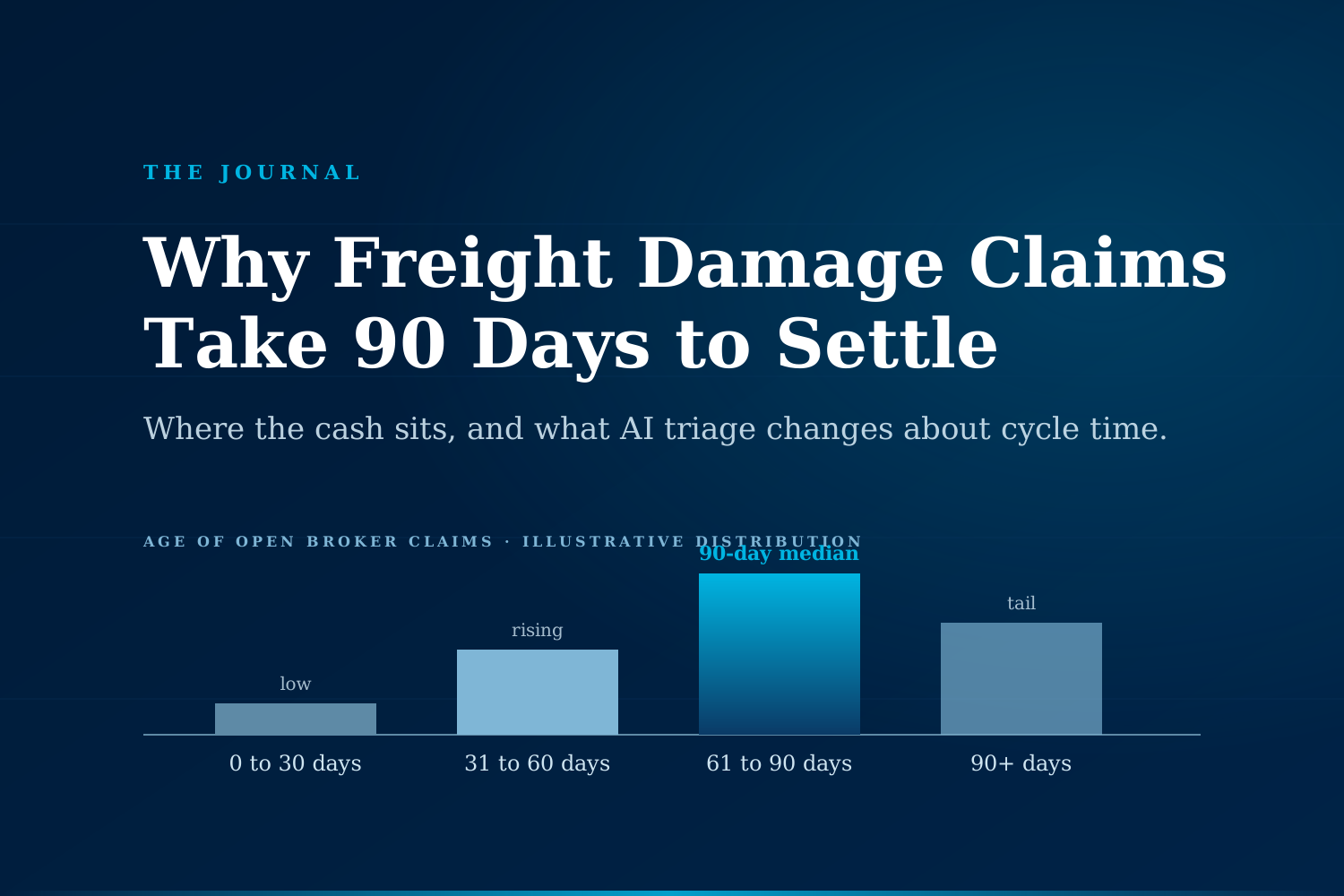
Freight damage claims at mid-size brokers commonly settle in 90 days, trapping working capital and recovery dollars. Here is where the cycle actually stalls.
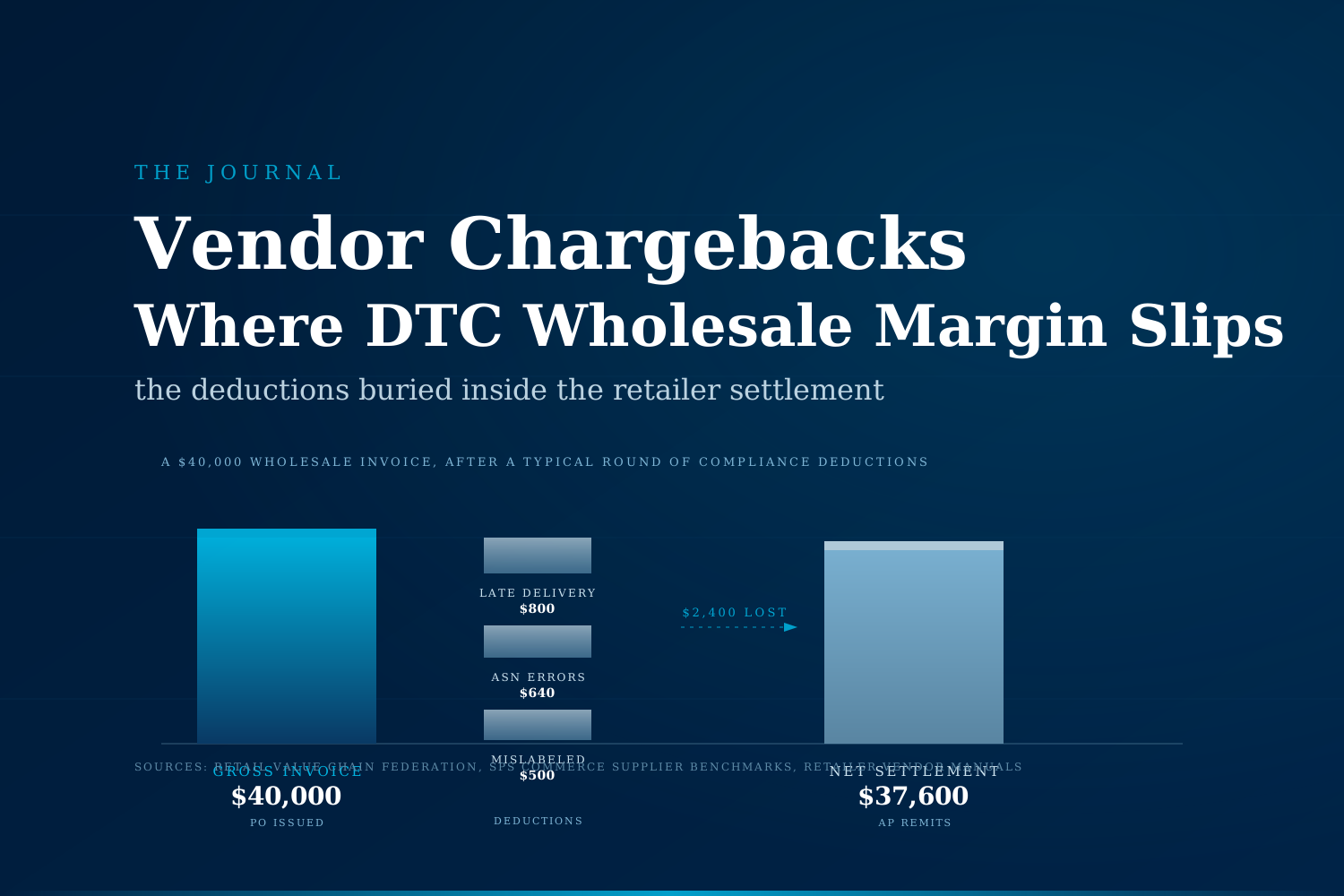
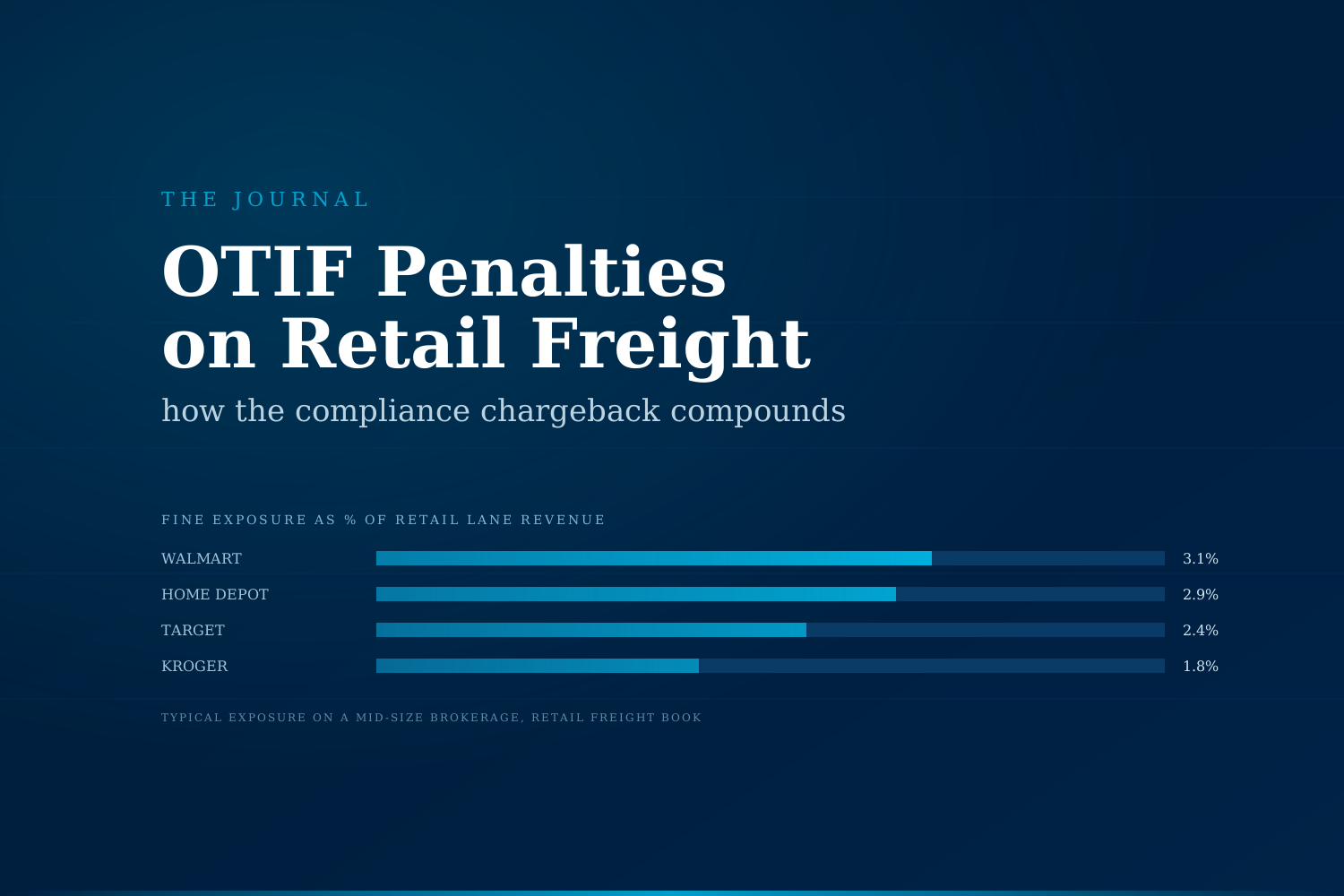
Retail vendor compliance chargebacks from Target, Walmart, and other accounts can compress a DTC brand's wholesale margin by 1 to 3 percent of invoice. Here is where it leaks and what changes.
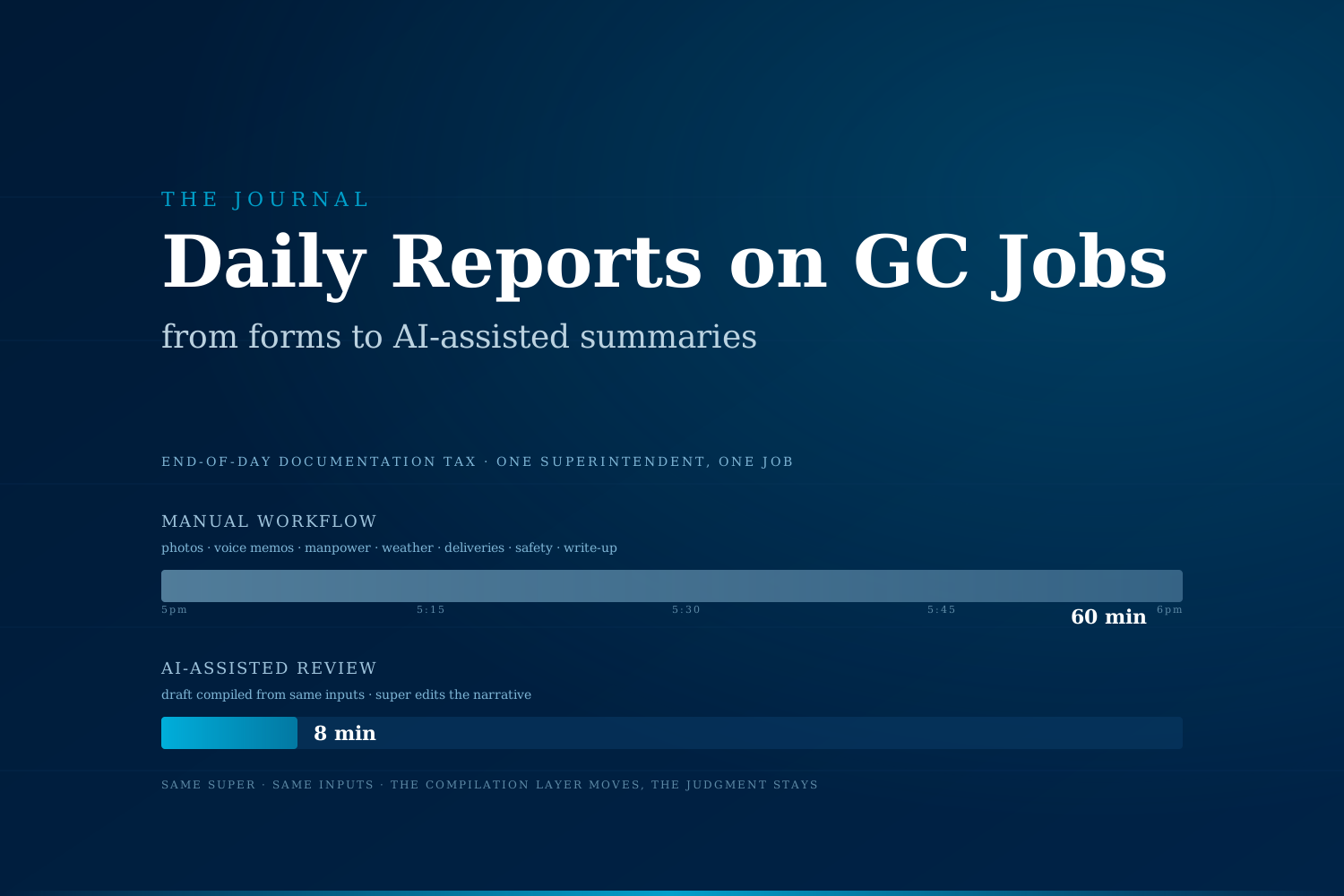
Daily reports cost GC superintendents 30 to 60 minutes a day. AI-assisted compilation moves the mechanical work off their desk while the judgment calls stay.
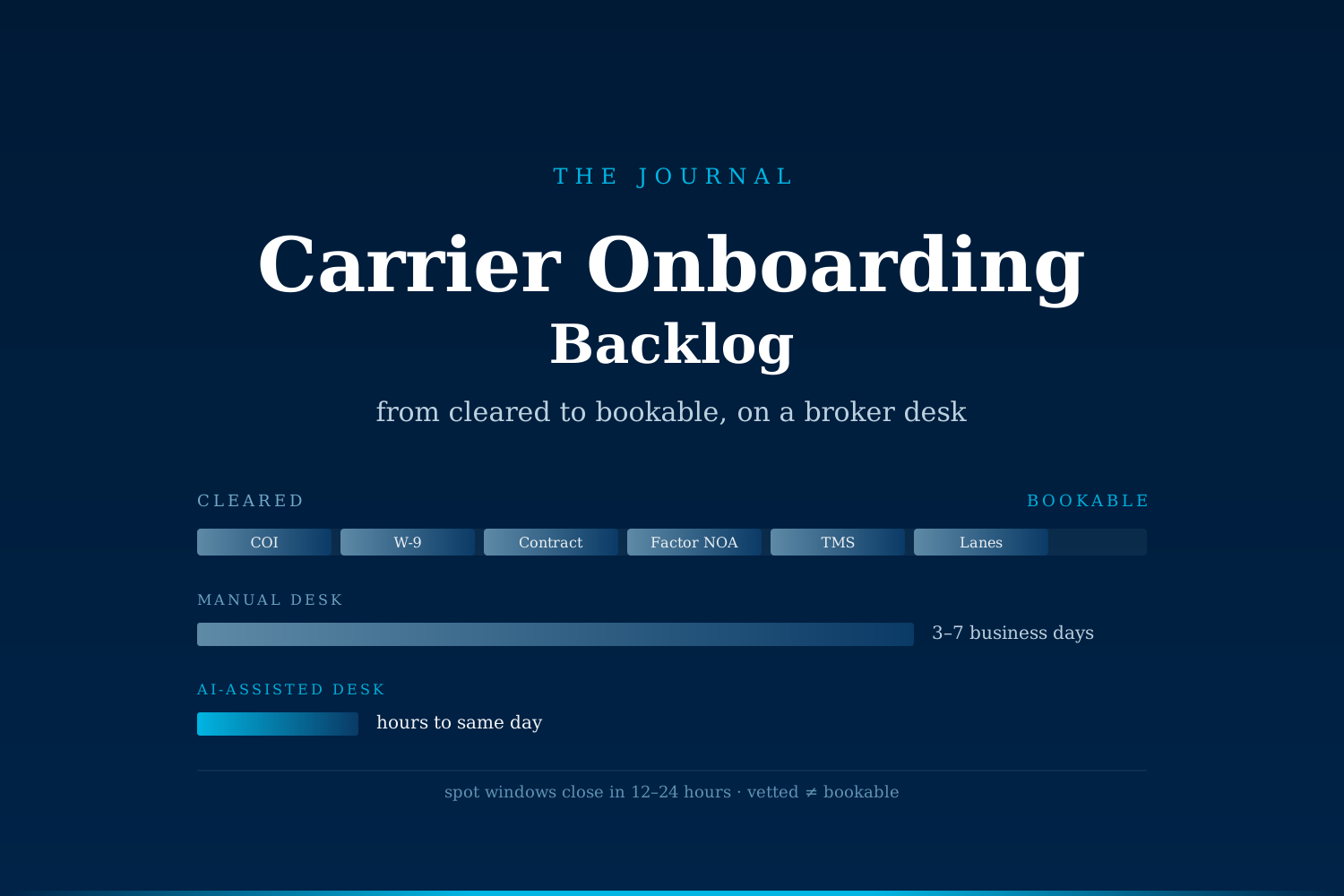
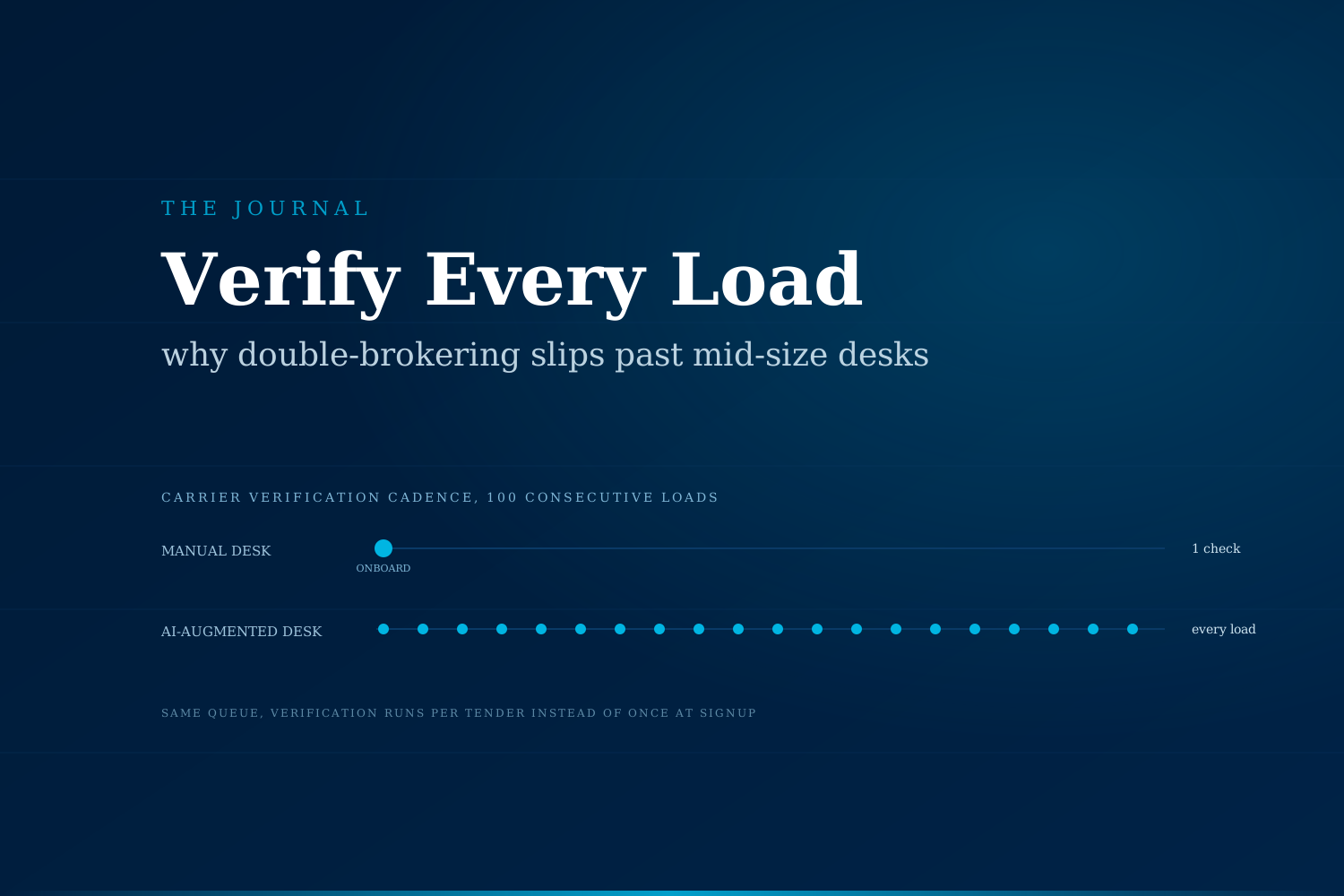
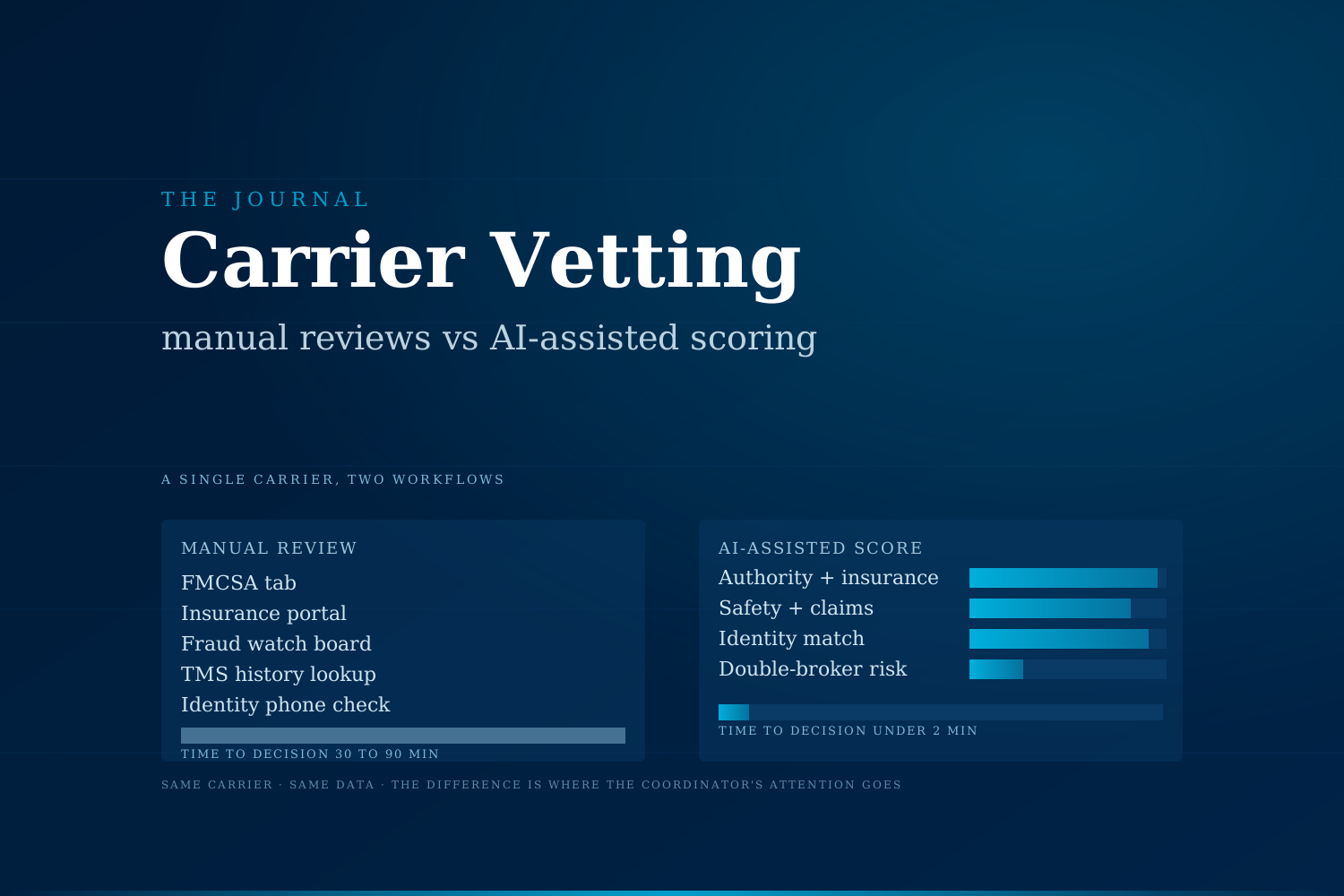
Carrier vetting still runs on manual lookups at most brokerages. AI-assisted scoring shortens onboarding and catches the signals a tired reviewer misses.
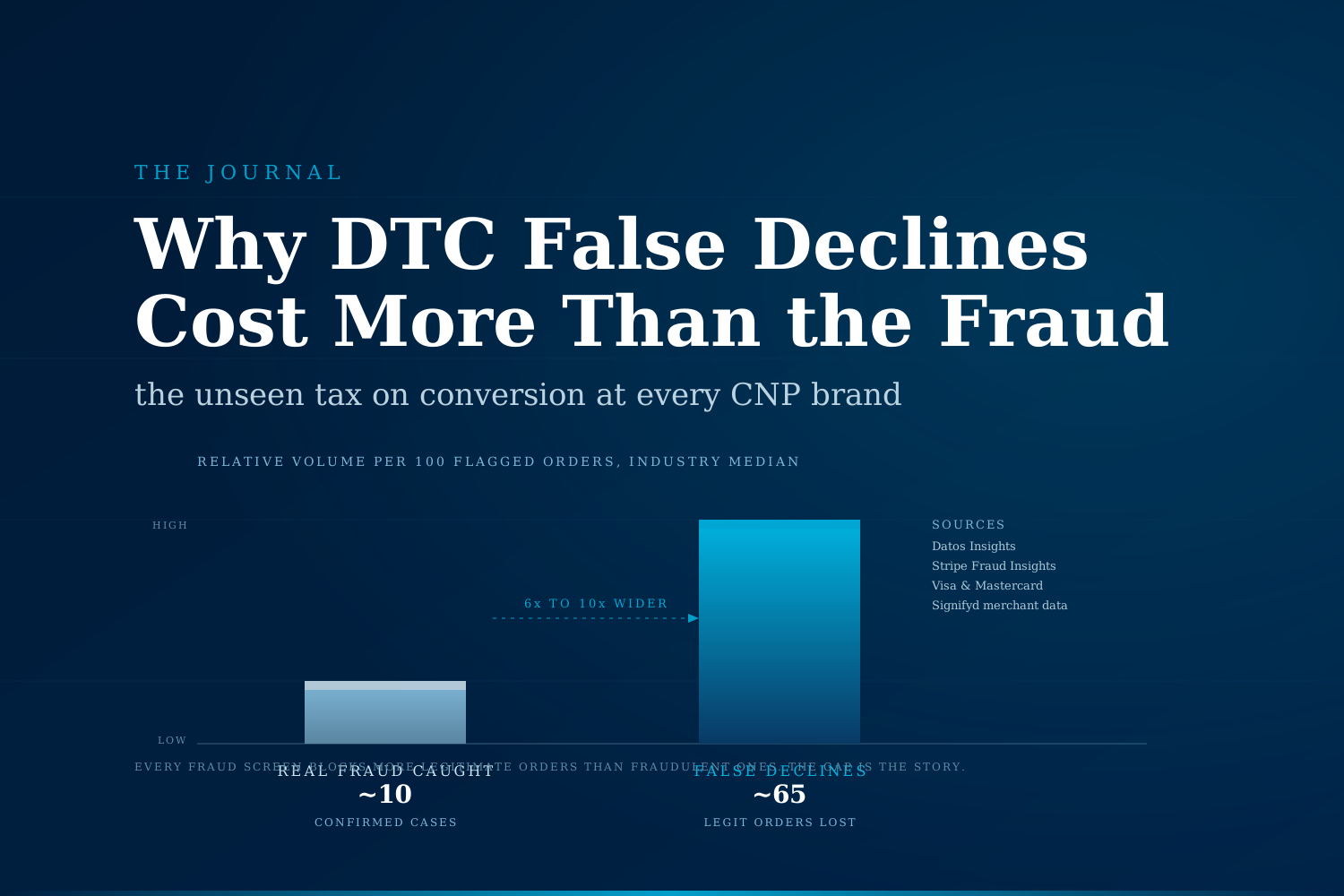
Every DTC brand with a fraud screen blocks more legitimate orders than fraudulent ones. The lost-revenue gap rarely shows up on the ops dashboard, but it is consistently the larger number.
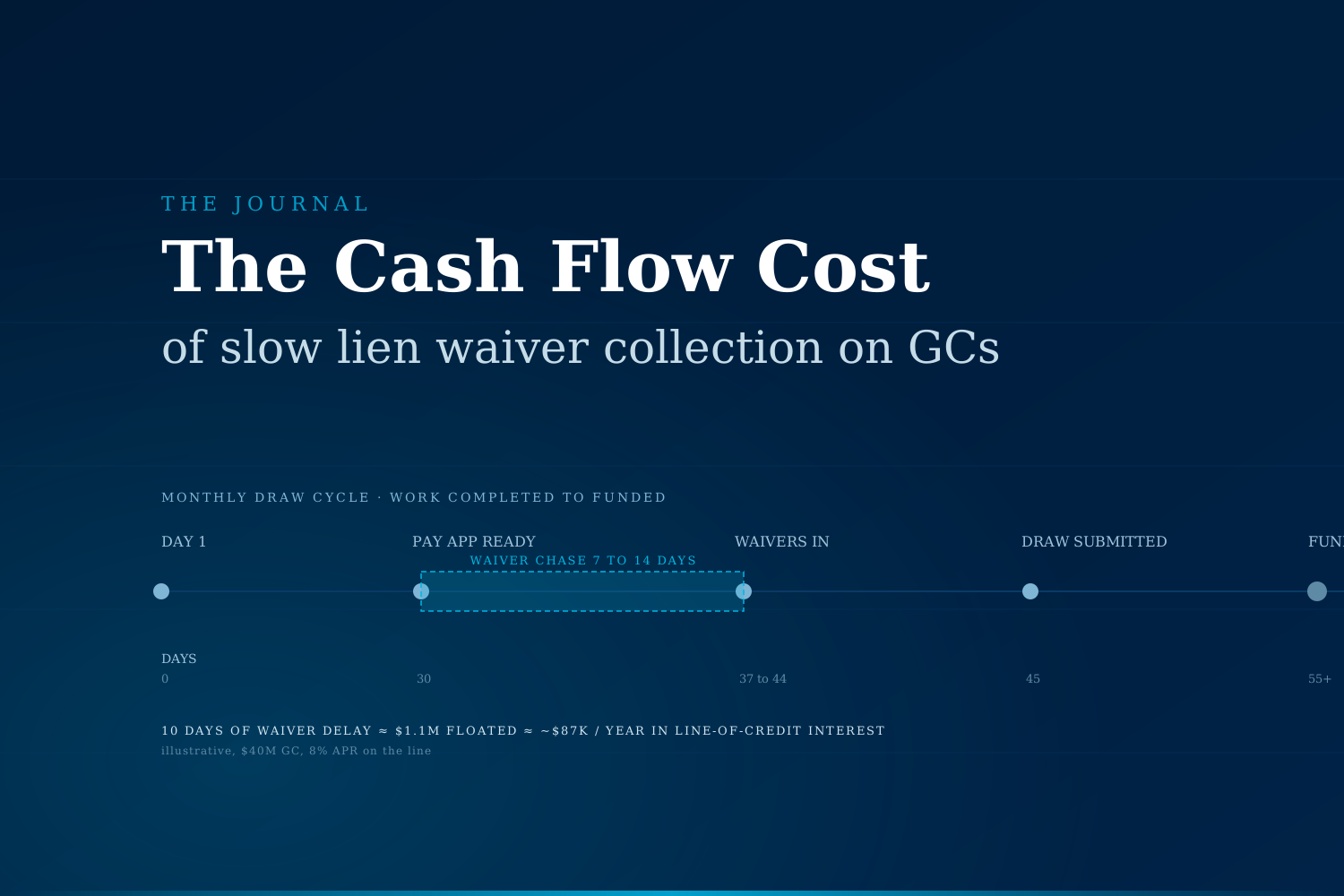
Lien waivers that trickle in over weeks delay a general contractor's monthly draw. A look at what slow waiver collection actually costs in working capital, and what changes when the chase runs itself.
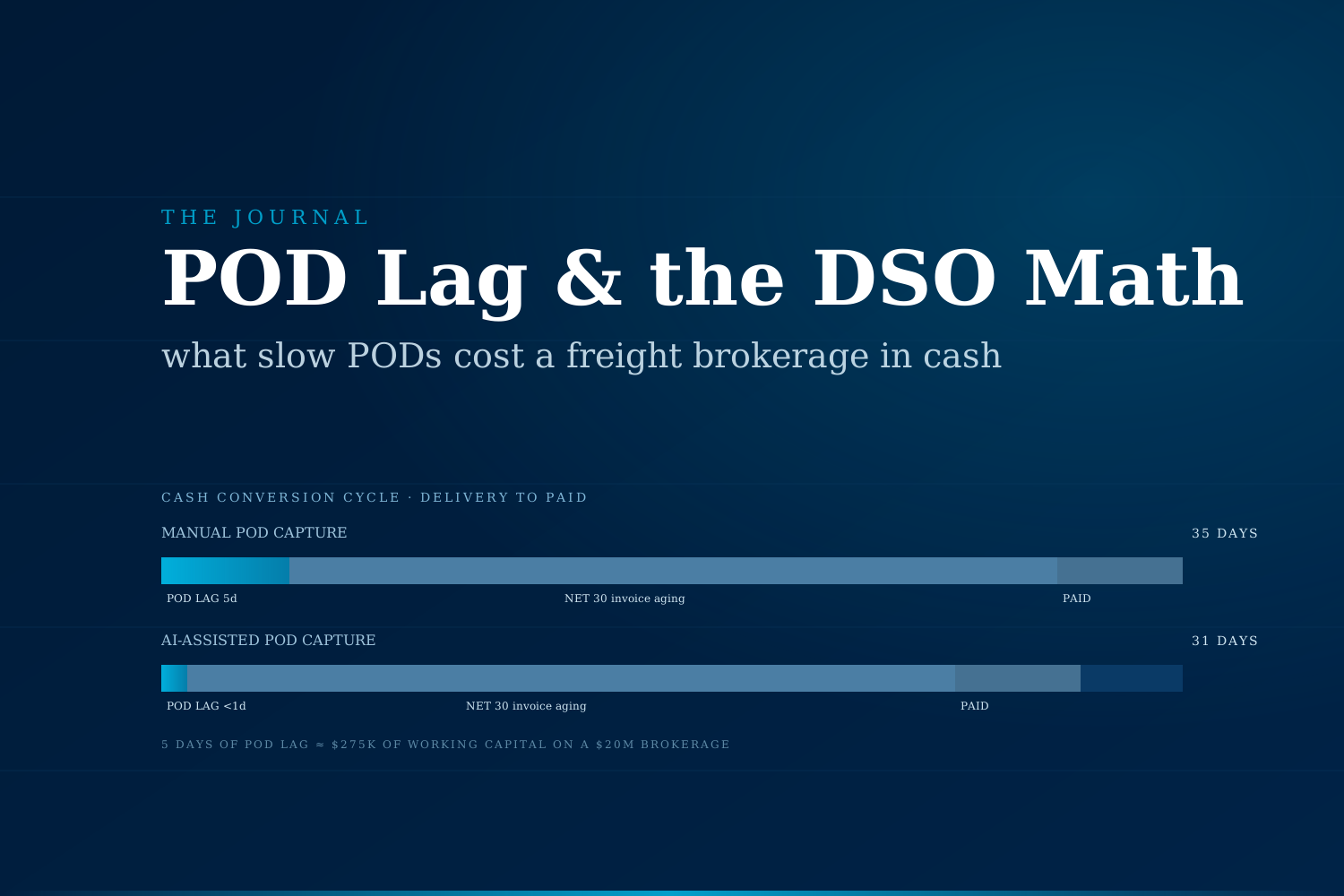
Slow proof of delivery capture stretches a freight broker's DSO by 4 to 7 days. Here is what the lag actually costs in working capital, and what changes when it closes.
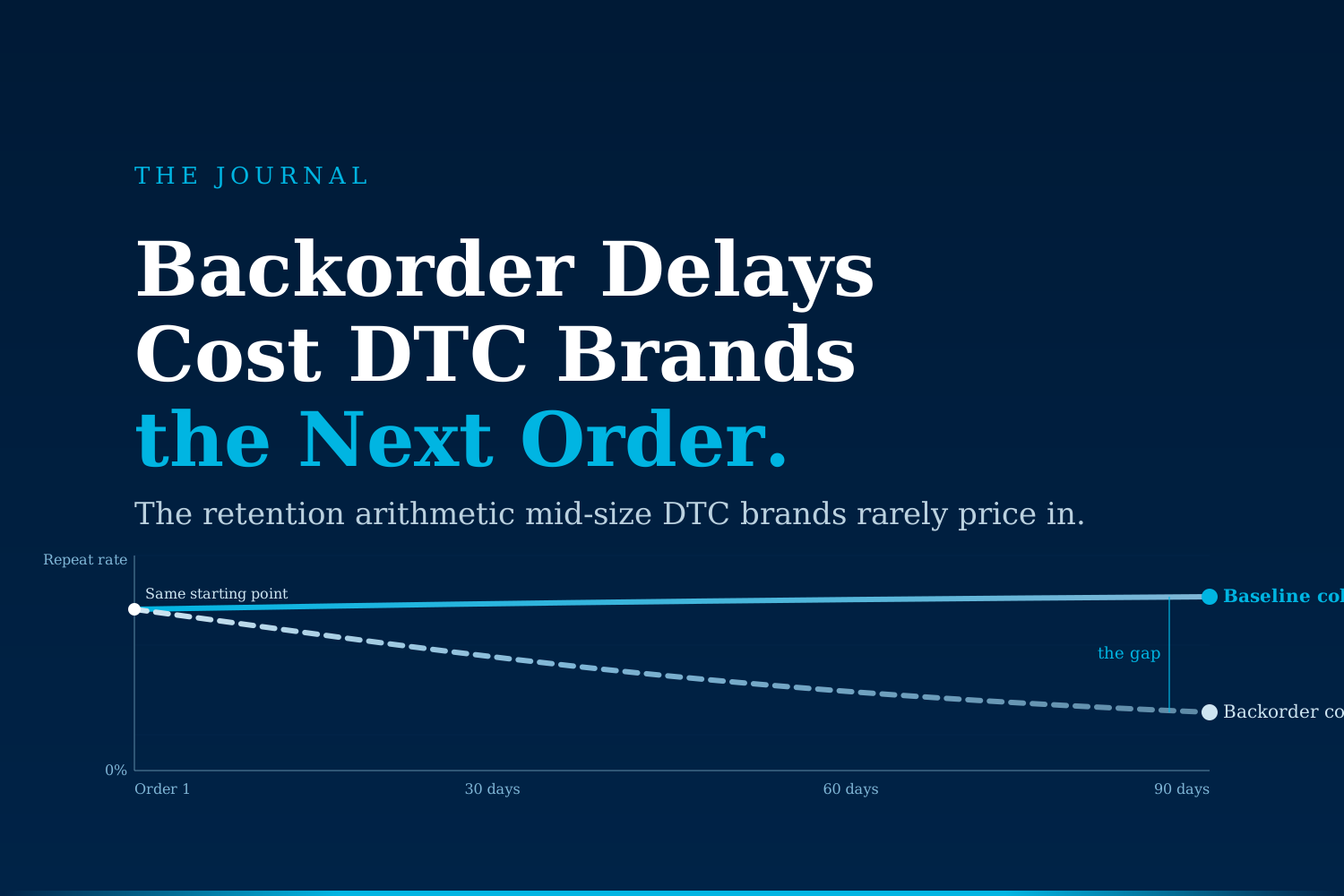
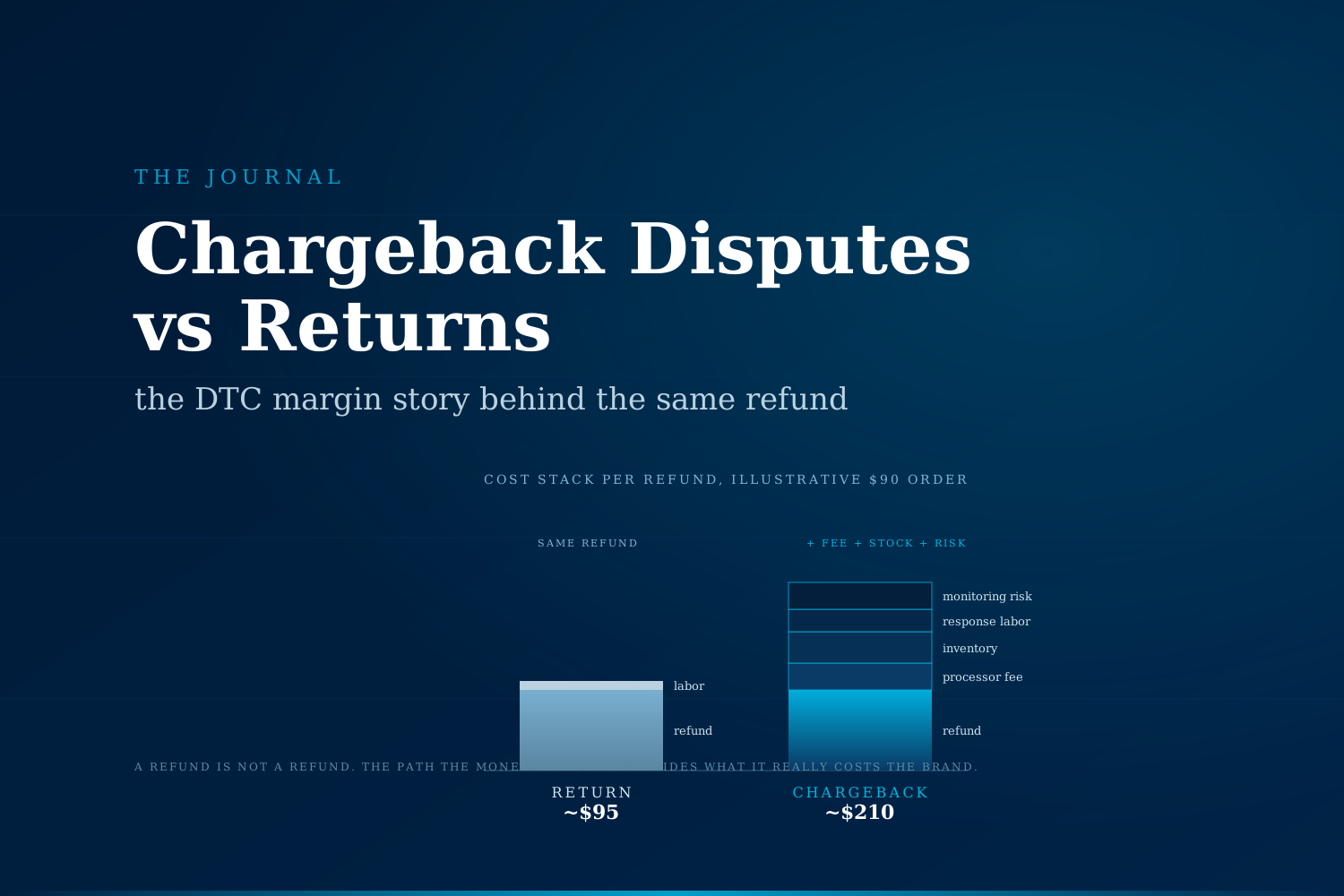
Returns and chargebacks both end with a refund, but the underlying economics differ sharply. Most DTC ops teams track one cleanly and underprice the other.
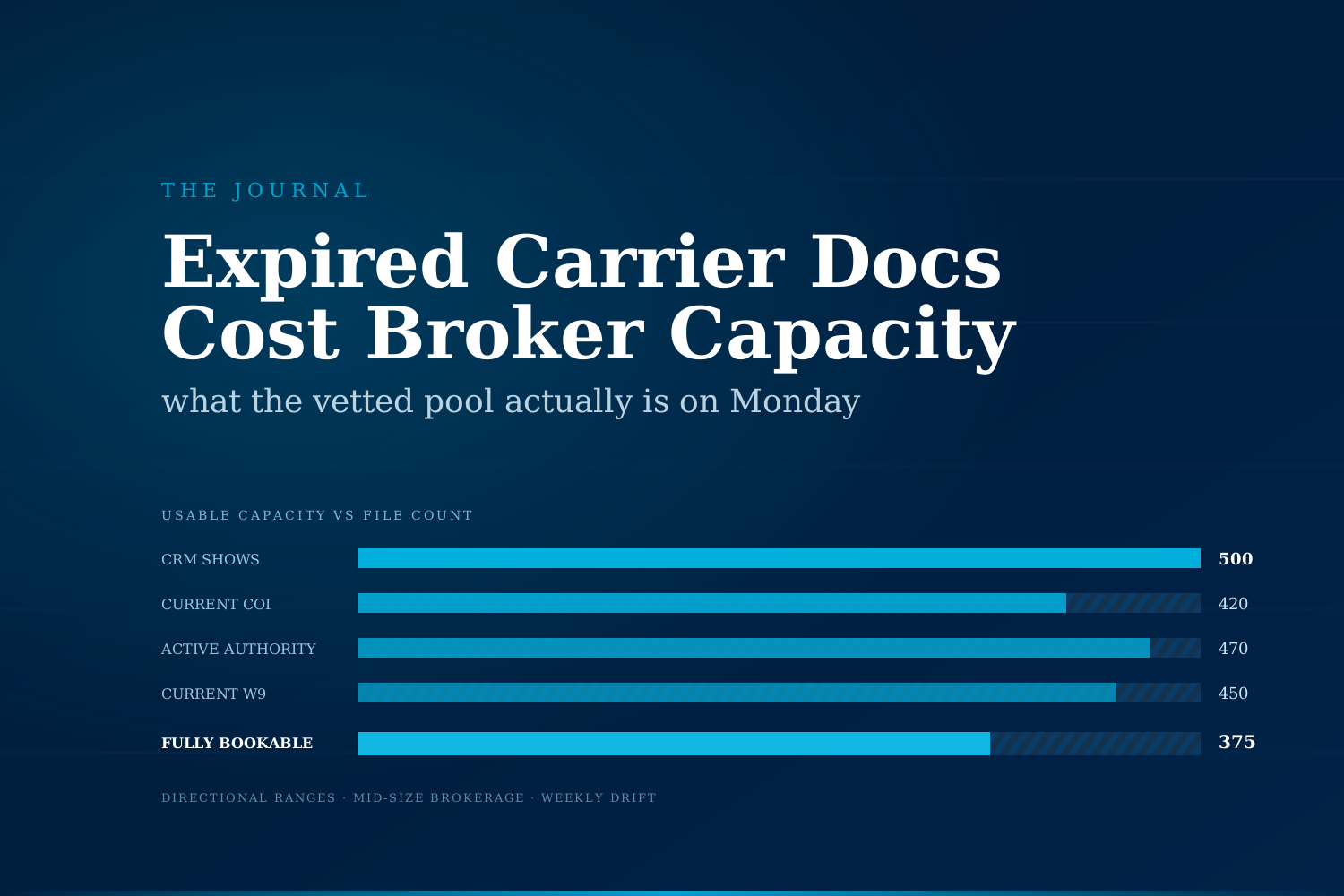
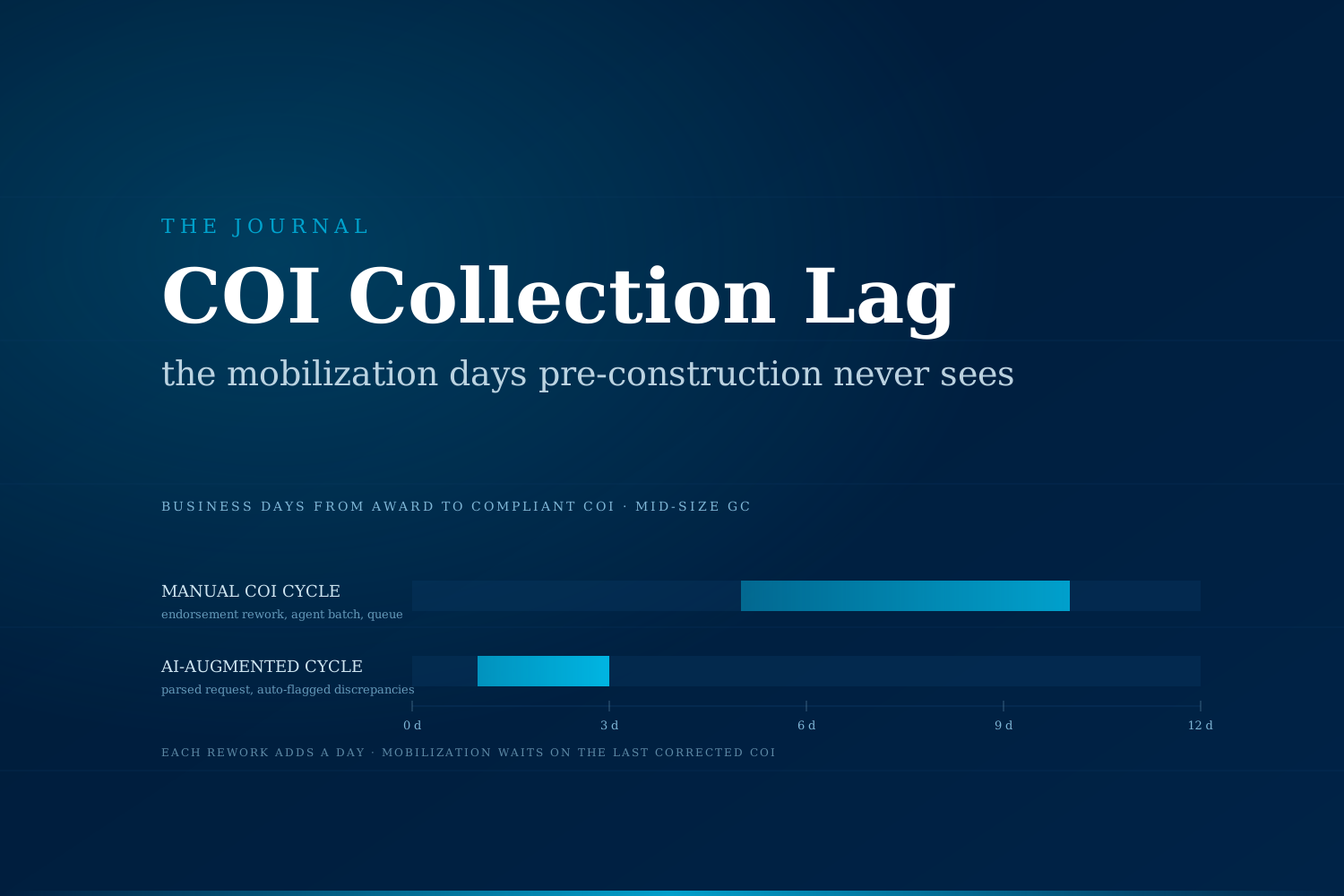
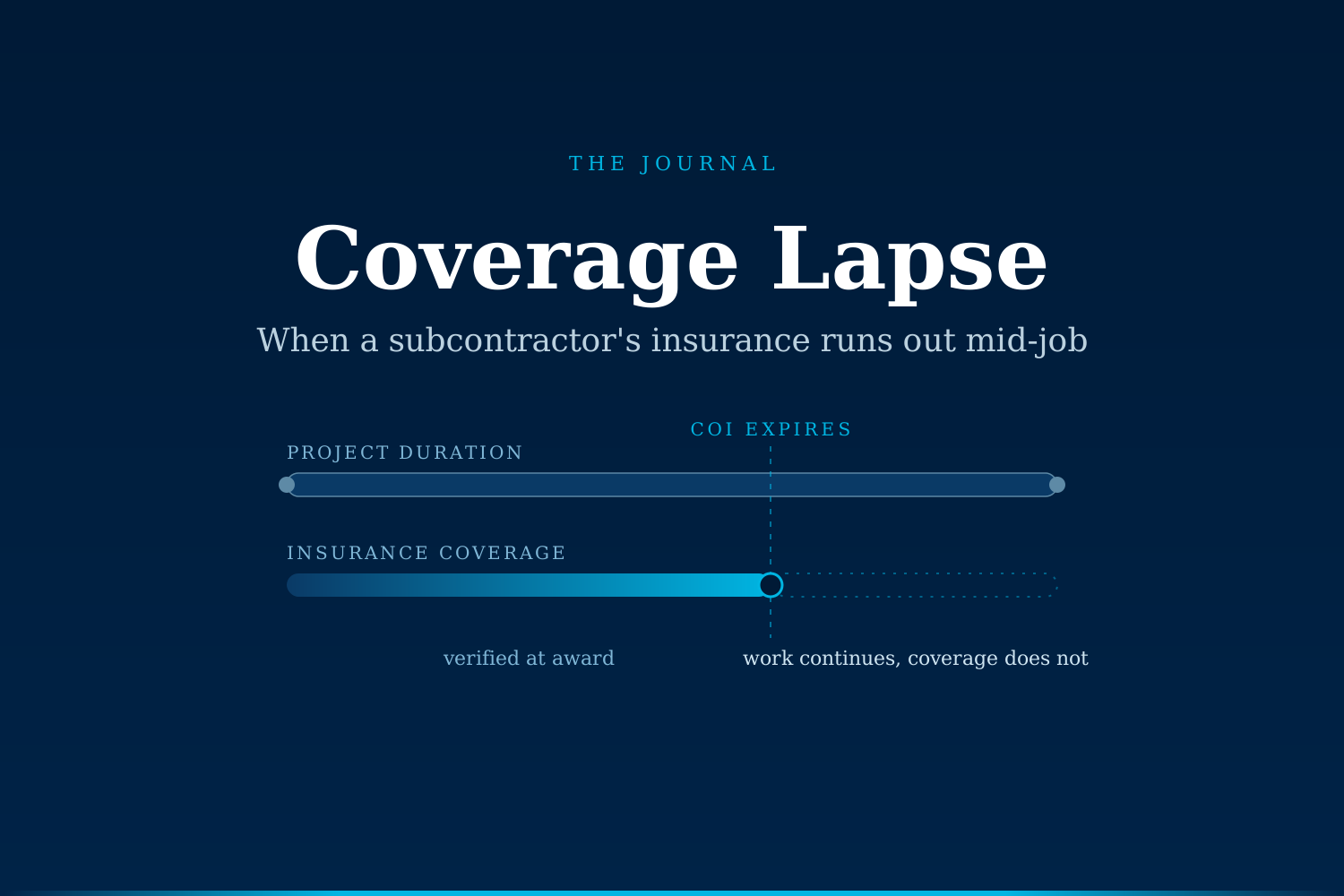
A subcontractor's COI can expire mid-project without anyone noticing. A look at what an unmanaged lapse exposes a GC to, and how AI keeps the file current.
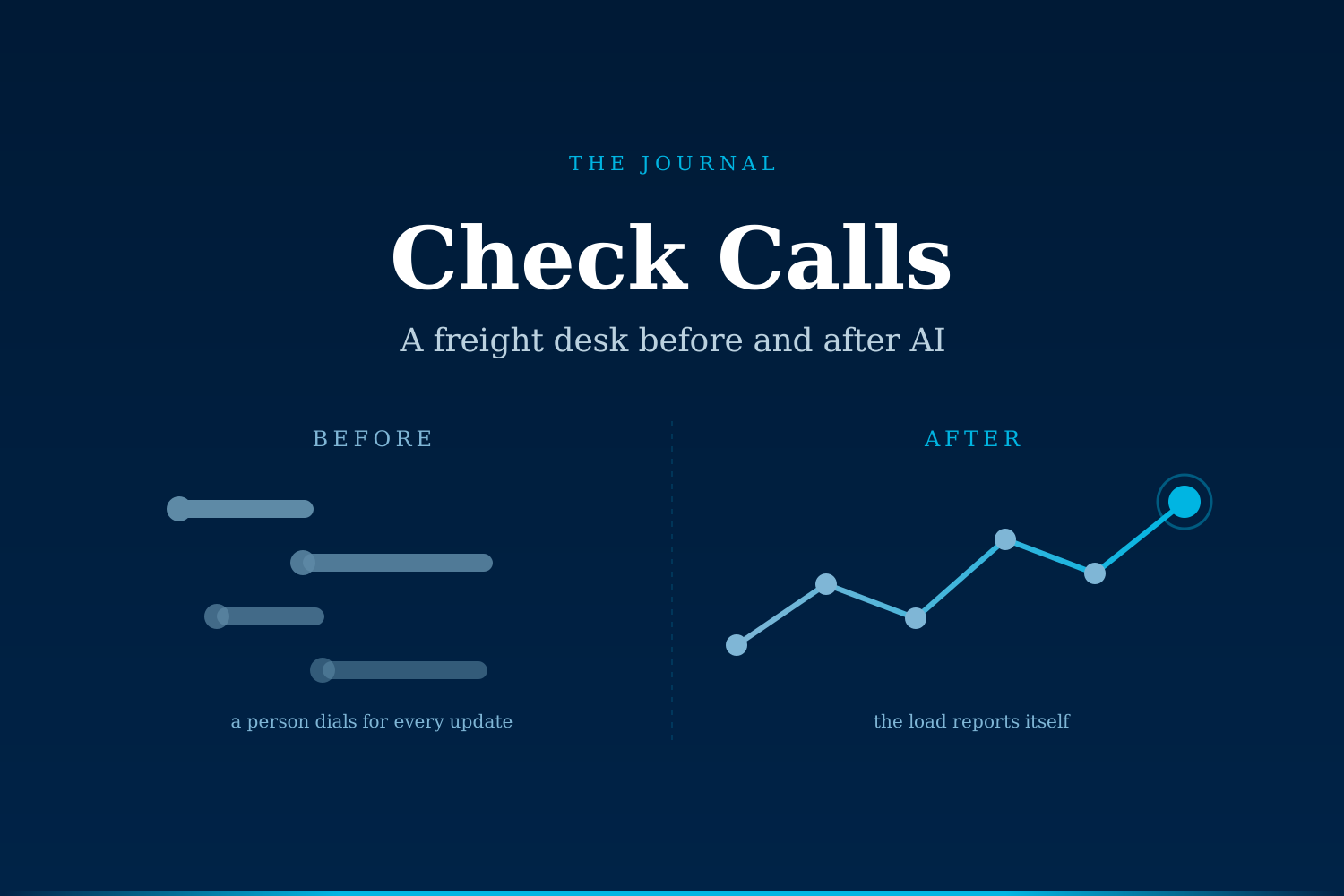
On most freight desks, tracking a load still means dialing for an ETA. A look at what manual check calls cost and what the work becomes once AI handles it.
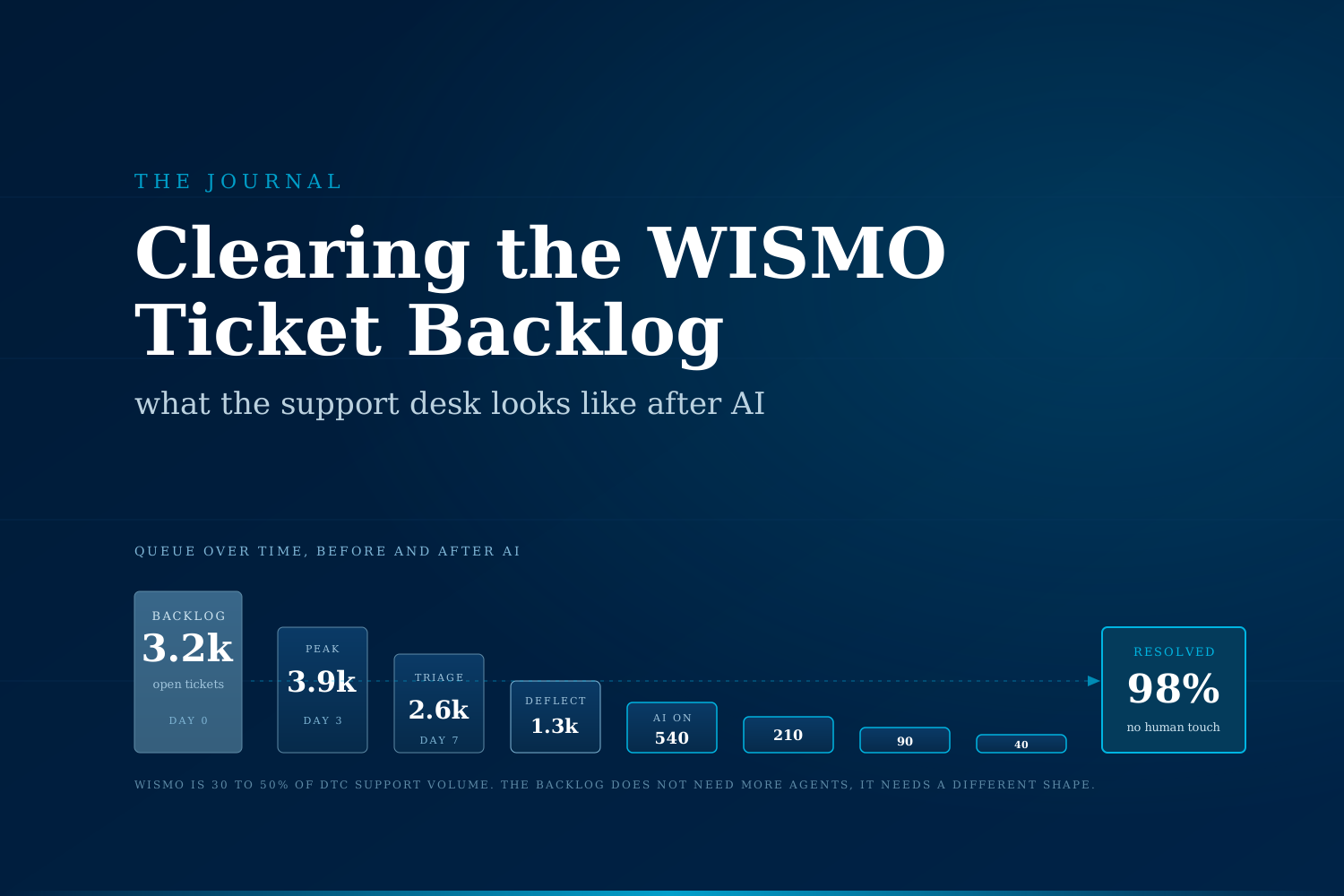
A look at why order-status tickets dominate DTC support inboxes, what the backlog really costs, and how the desk feels when AI handles the lookups.
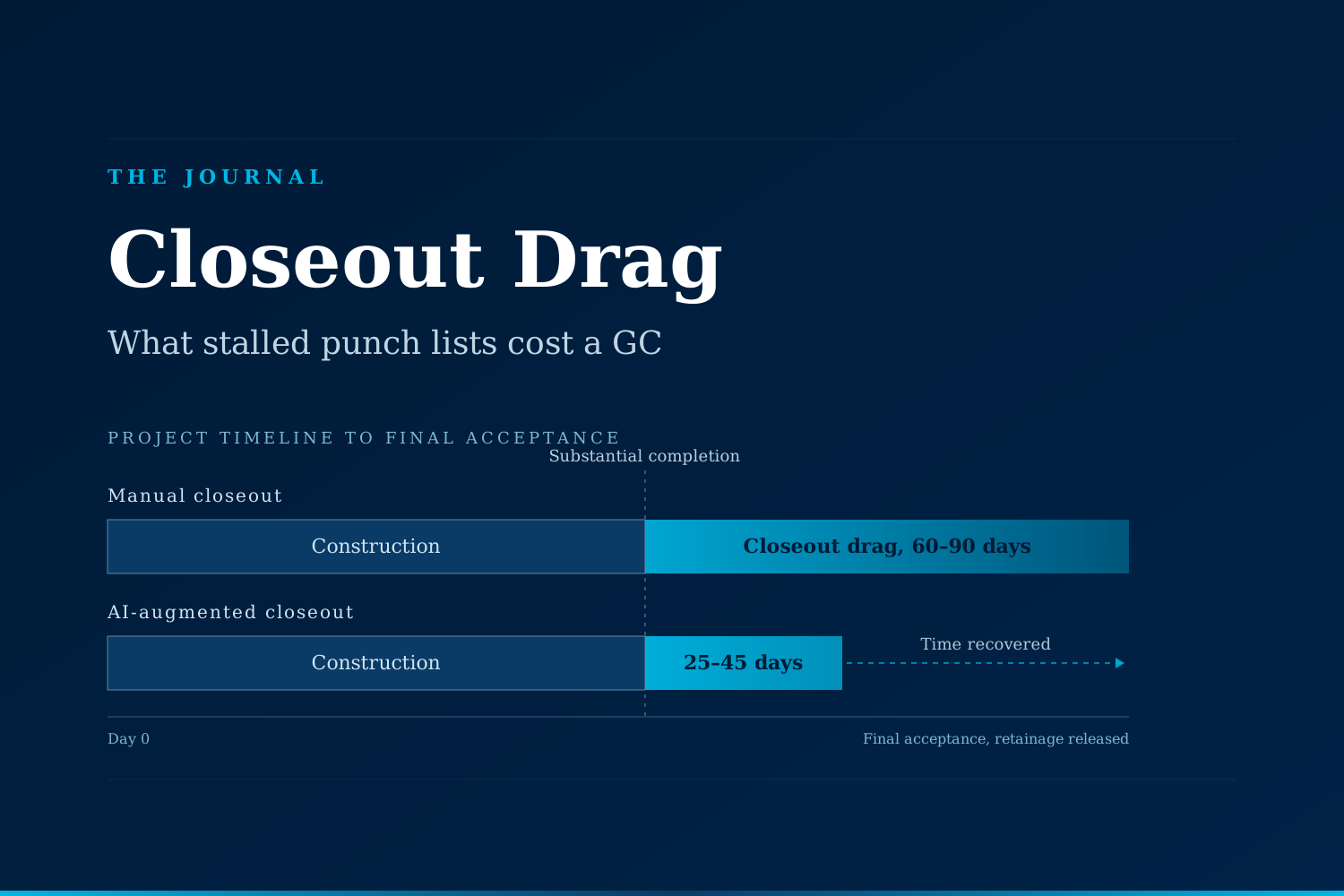
Punch list backlogs trap retainage, burn PM hours, and erode sub goodwill. A look at where the time actually goes at closeout, and what changes when AI handles the chase.
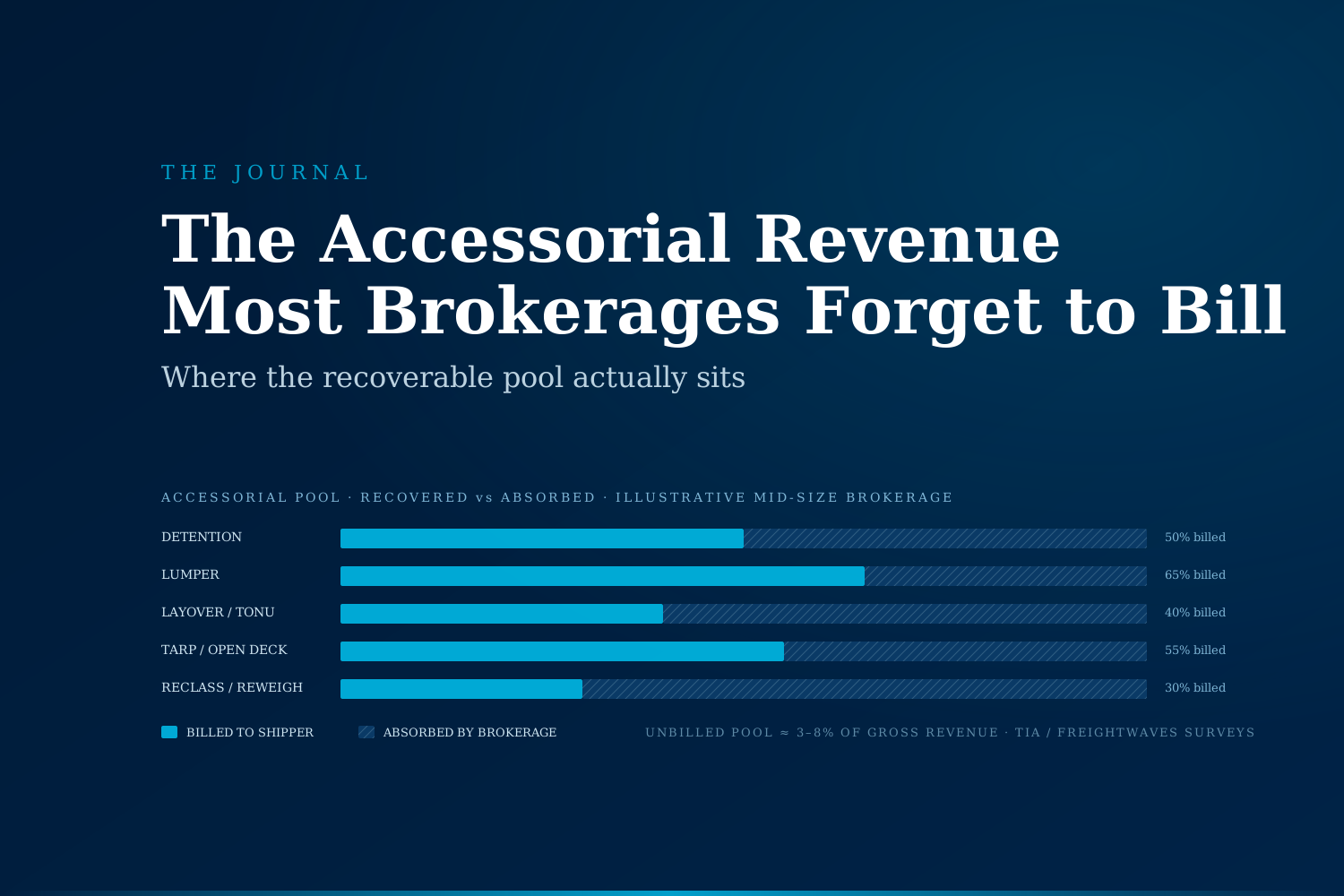
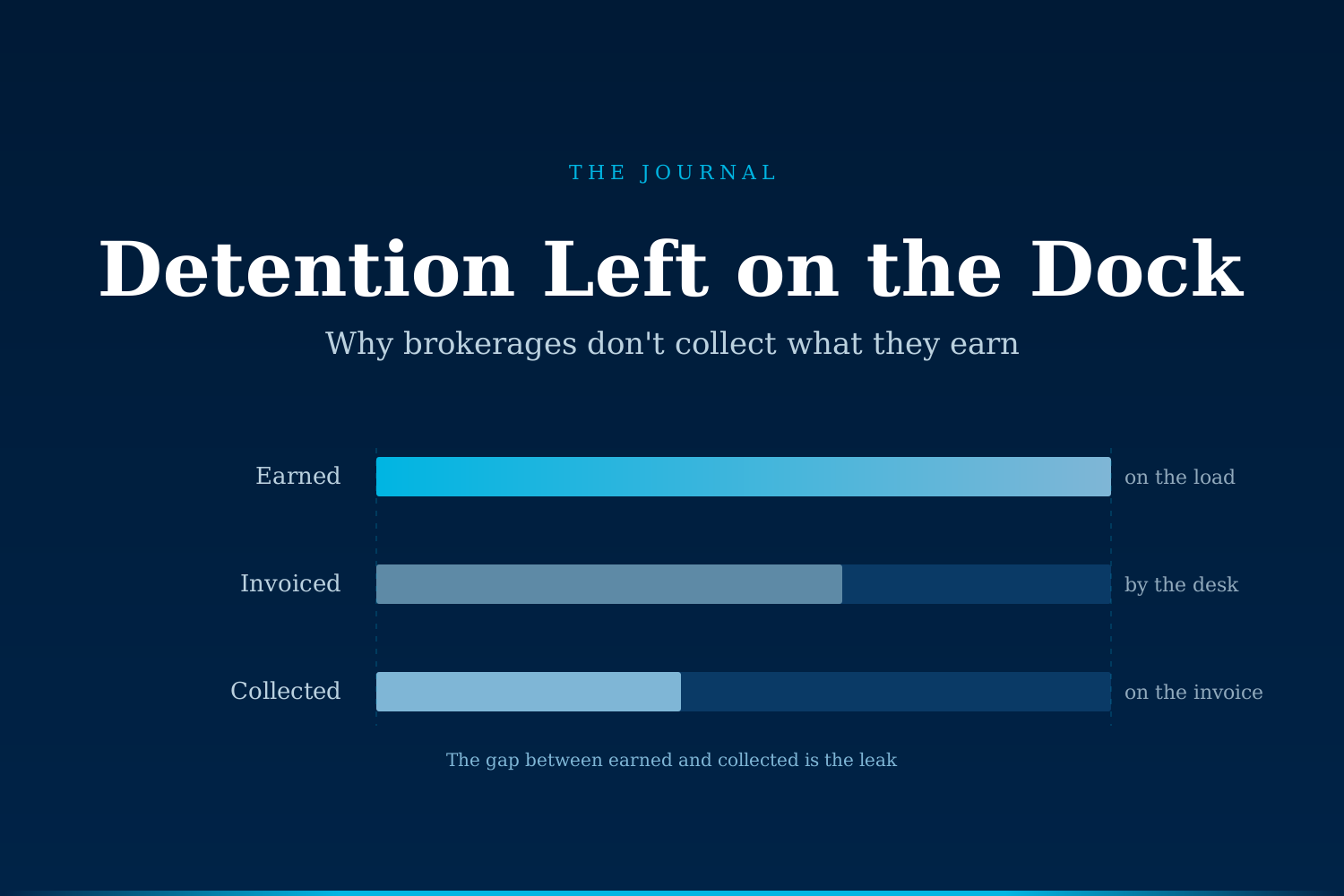
Detention is one of the largest accessorial revenue lines in freight, but most brokerages leave a meaningful portion on the dock each week. Here is why.
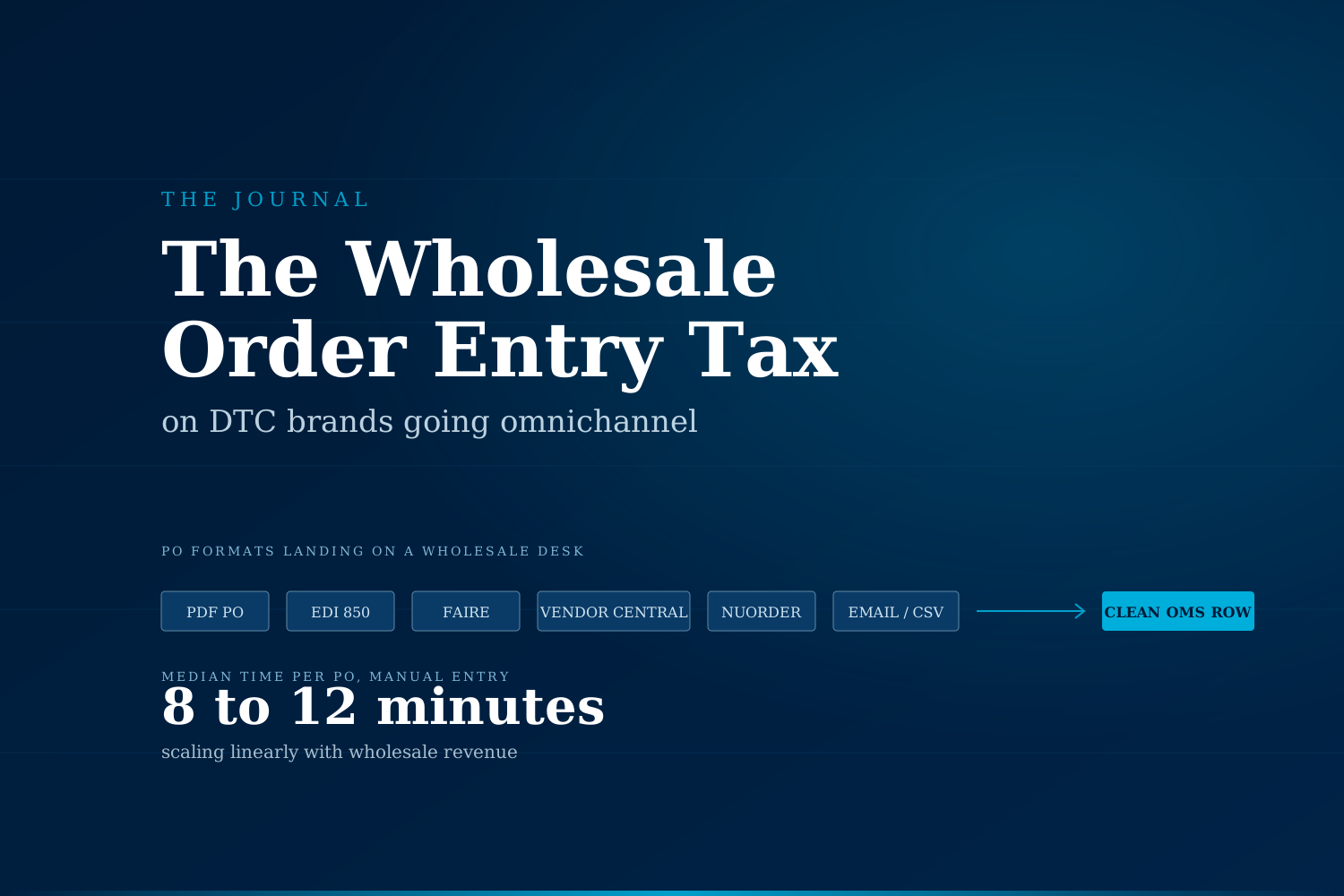
Wholesale order entry becomes the largest manual workflow on a DTC ops desk past $1M wholesale. Here is where the tax lands, and what AI drafting changes.
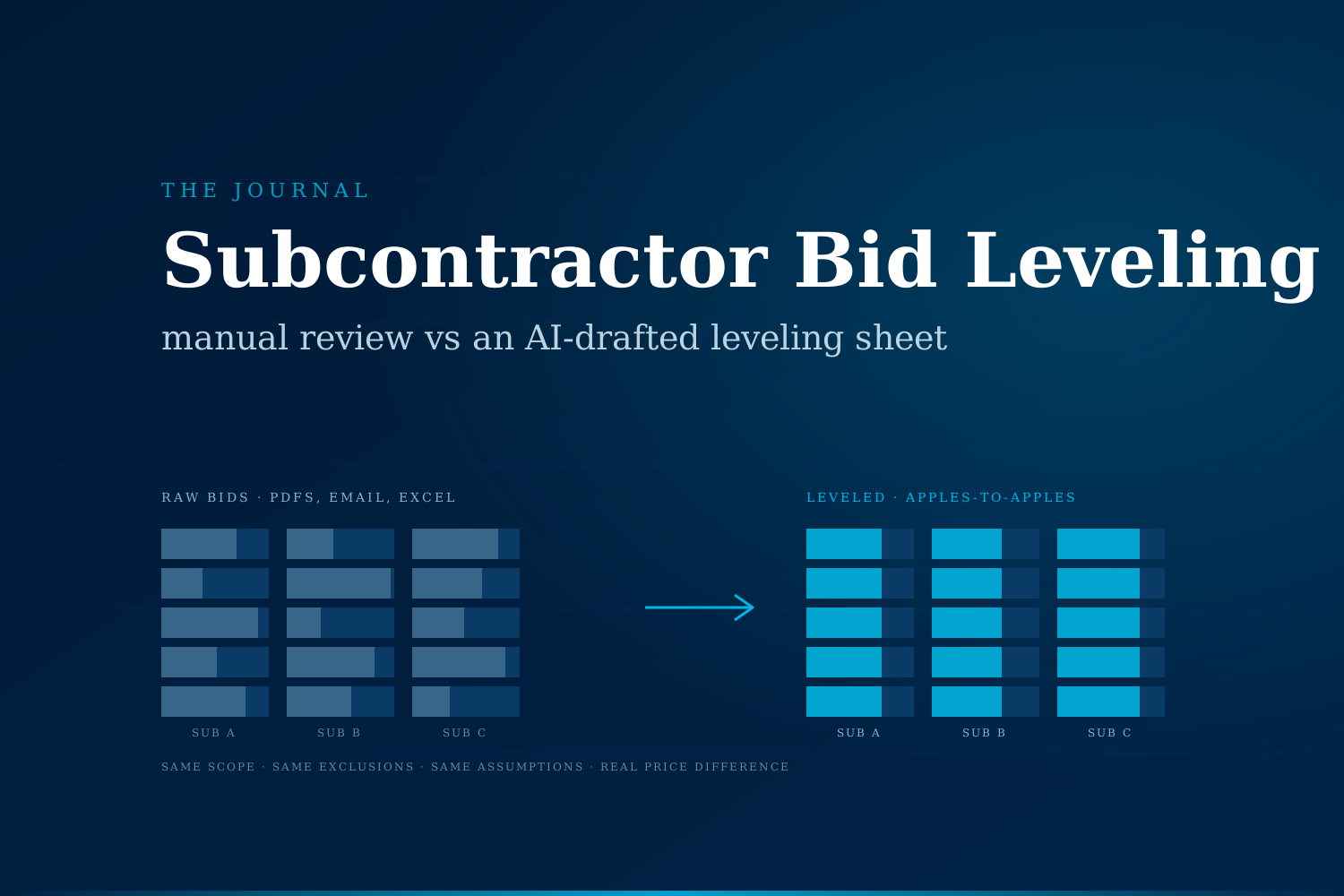
On a mid-size GC, subcontractor bid leveling absorbs two to five days per trade package. Most of that work is mechanical normalization an AI layer can draft.
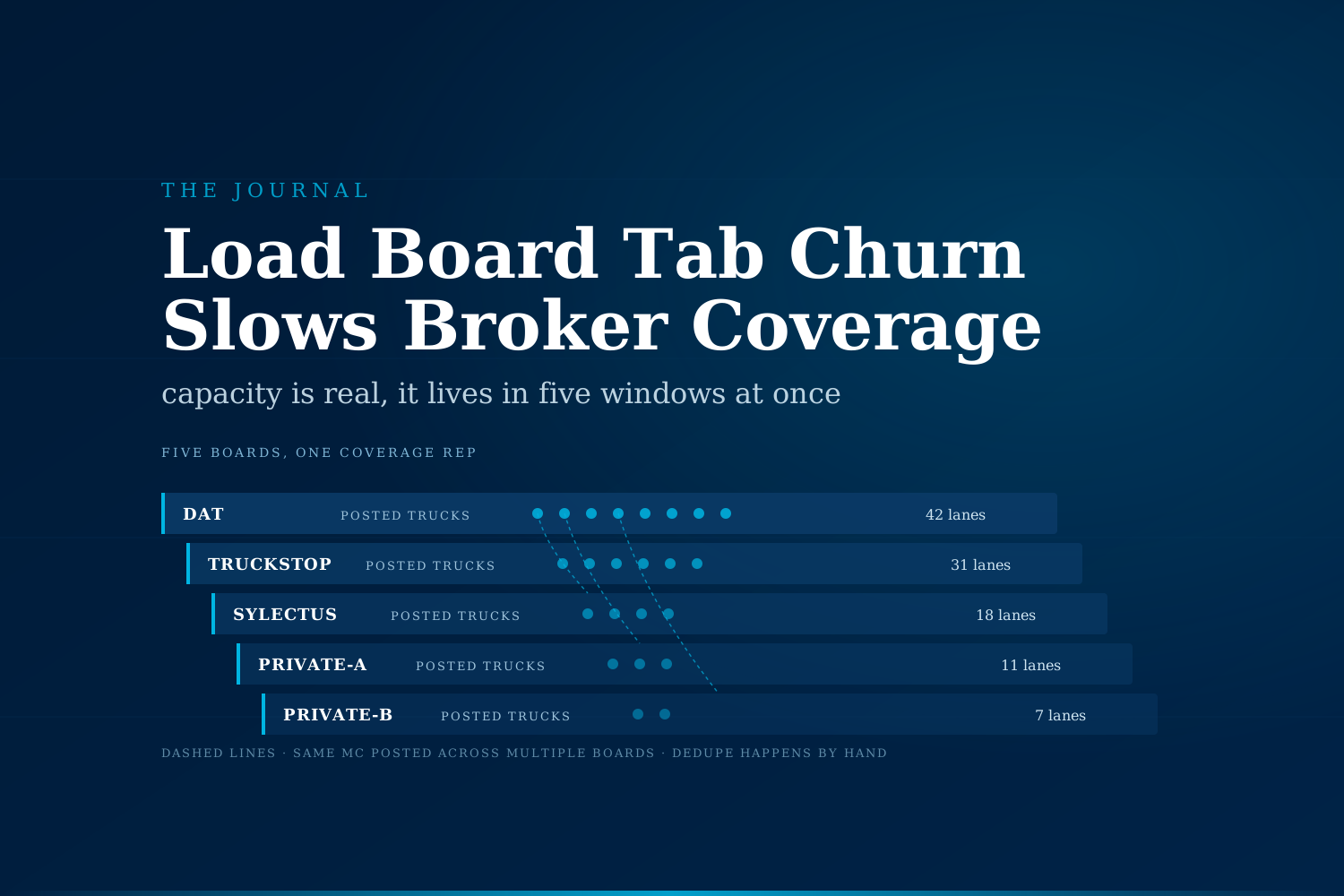
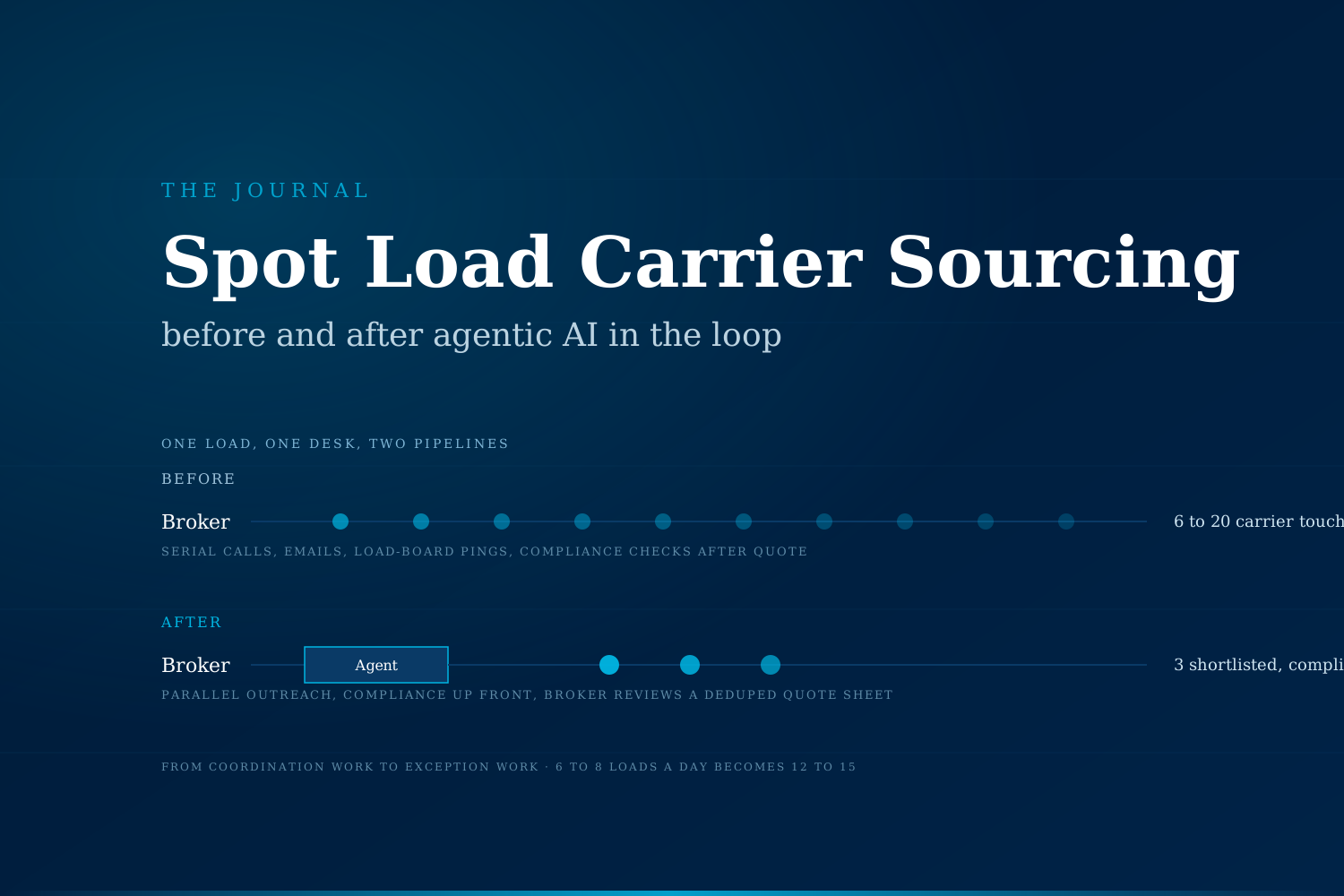
Manual spot load carrier sourcing eats 30 to 90 minutes per load in calls, load-board pings, and compliance checks. Here is what changes with agentic AI in the loop.
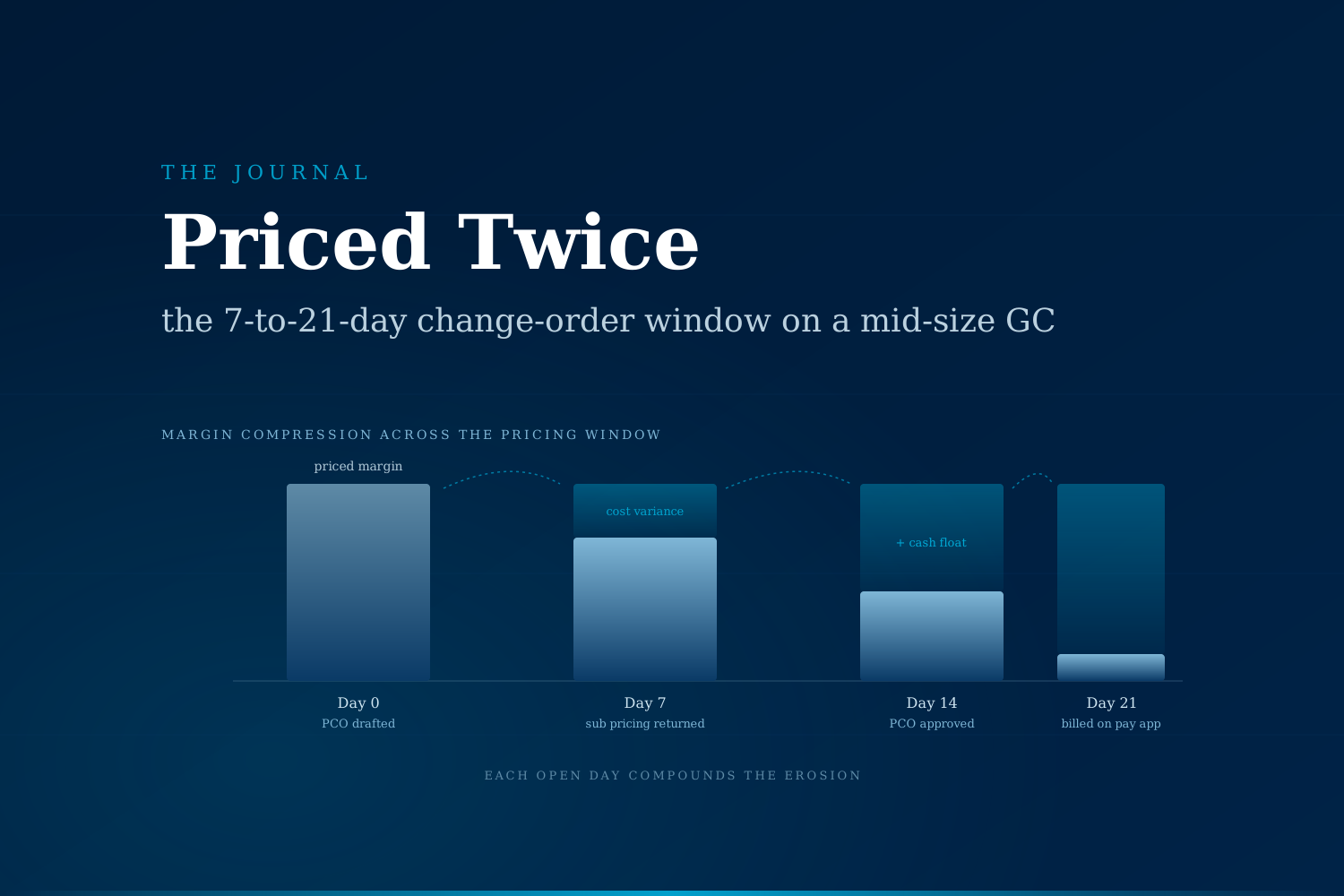
On a mid-size GC, a typical change order takes 7 to 21 days to price. During that window, margin compresses twice: first on cost variance, then on cash float.
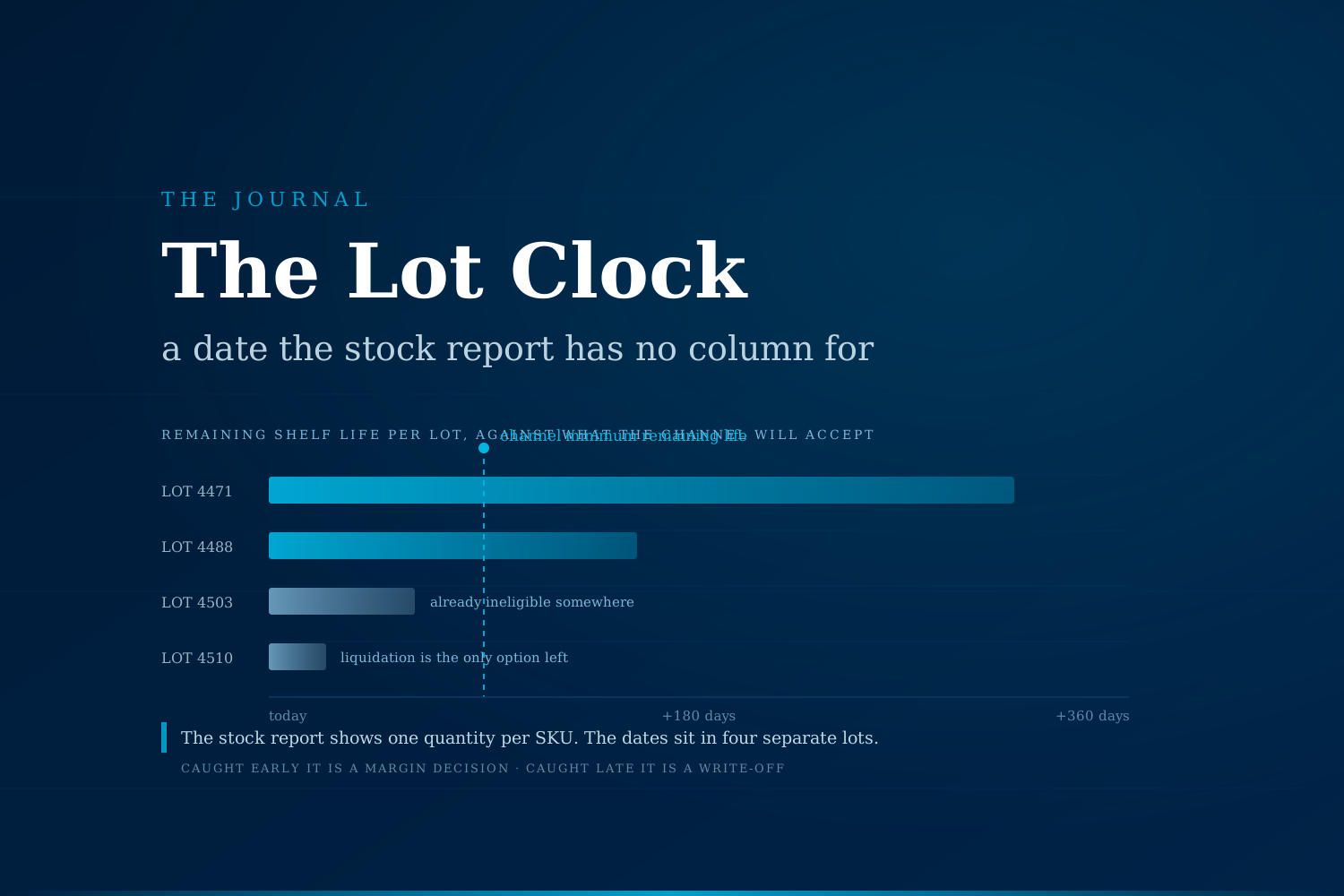
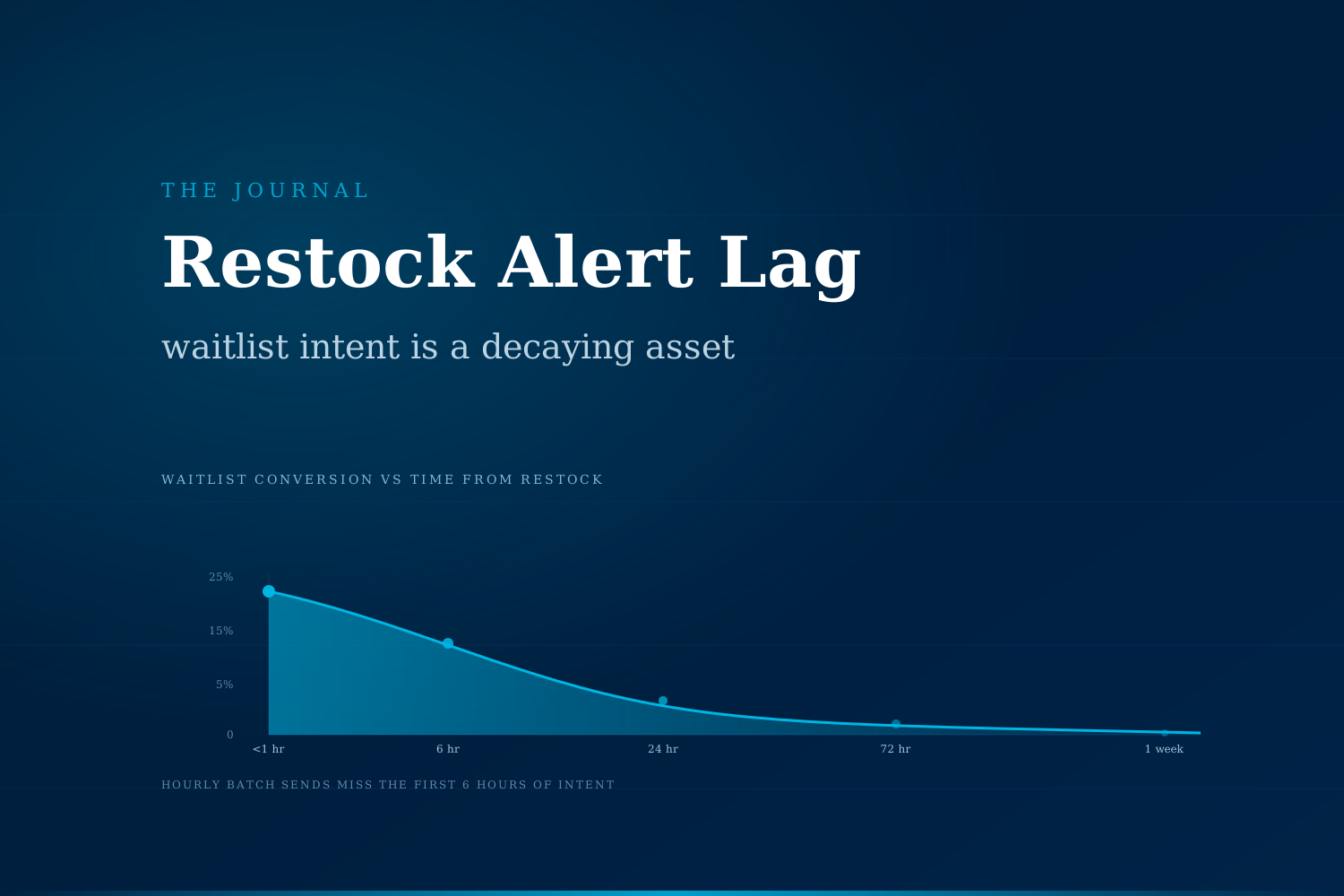
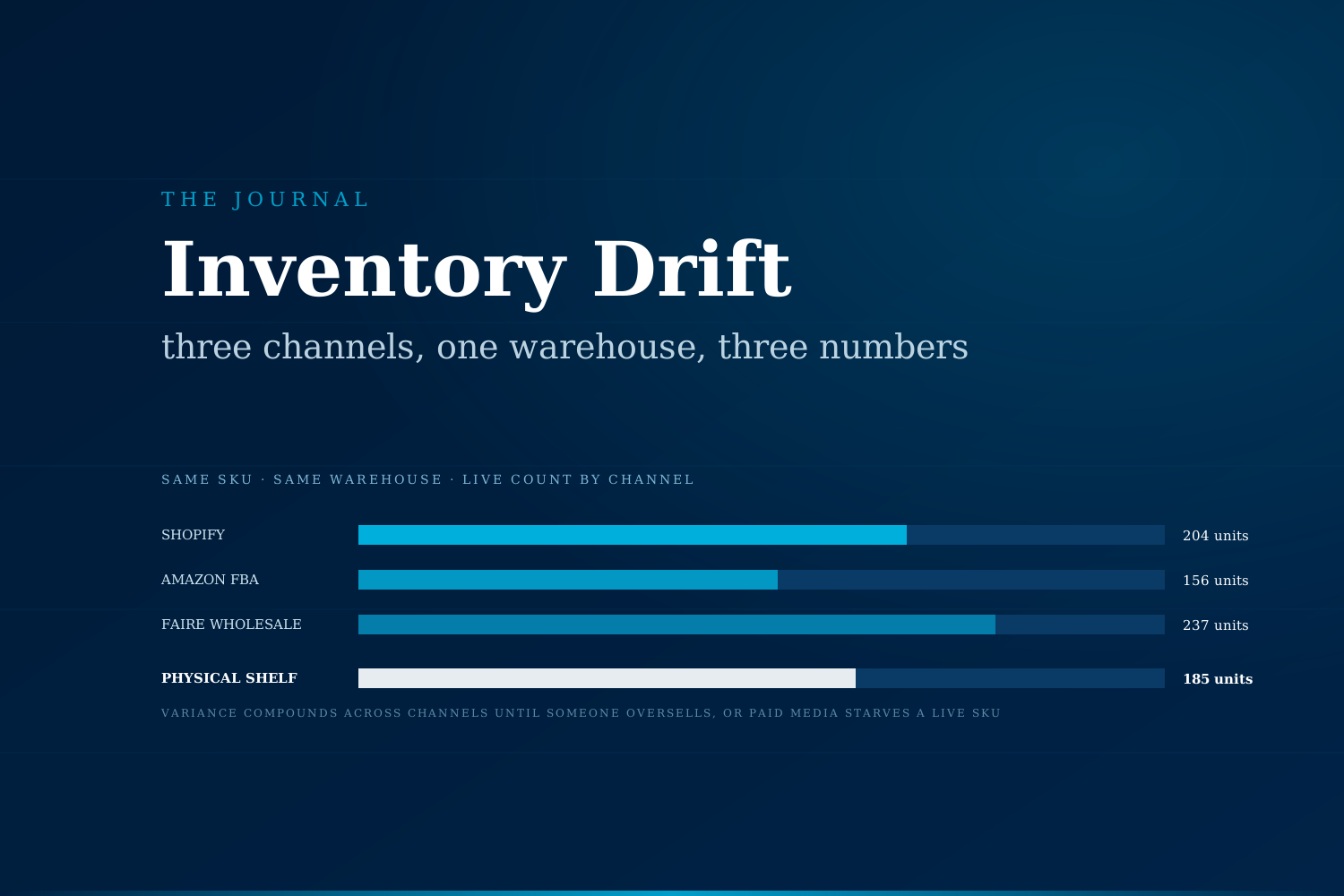
On a $10M DTC brand selling across Shopify, Amazon, and wholesale, inventory drift costs more than the visible oversells. Here is where the gap actually lands.
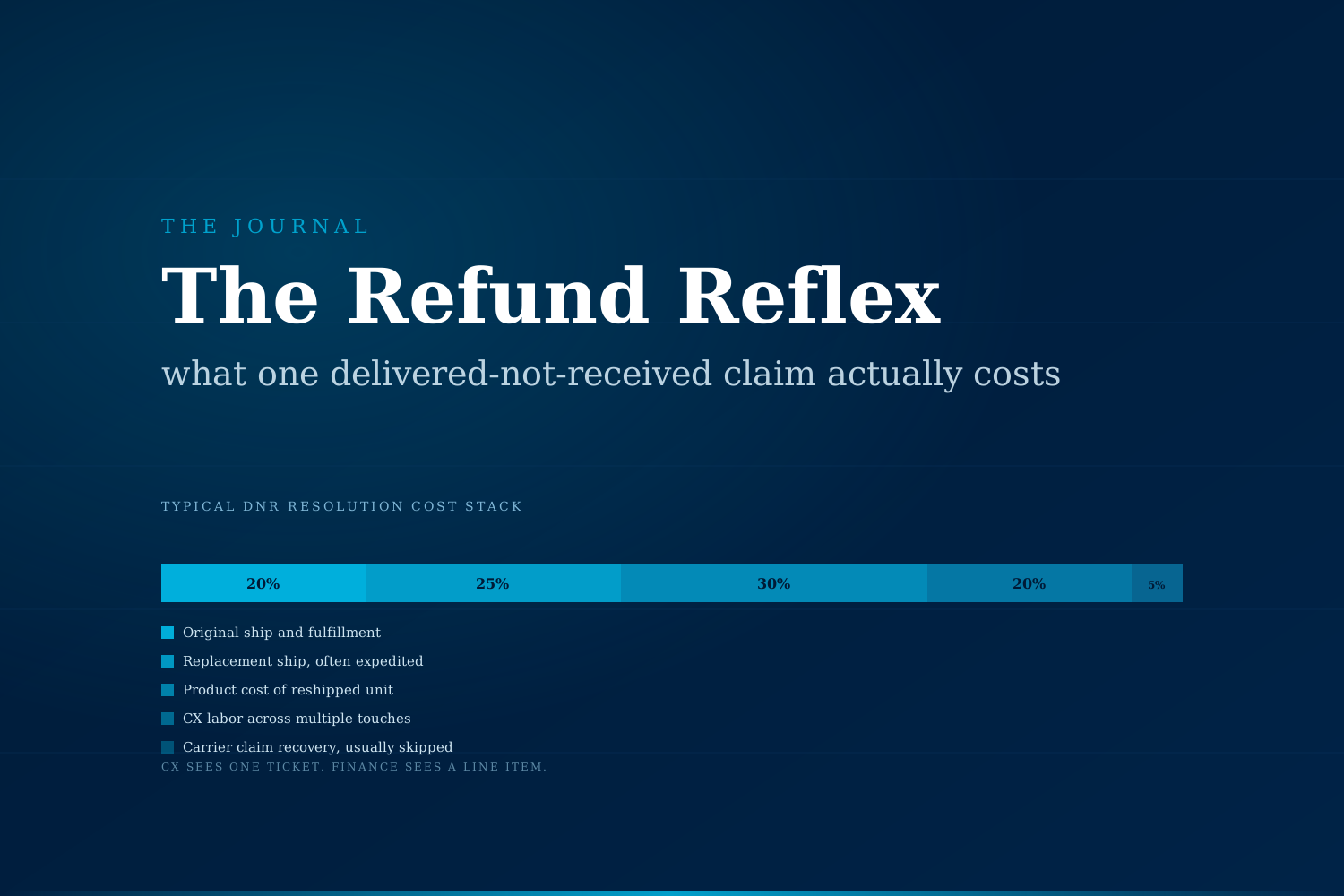
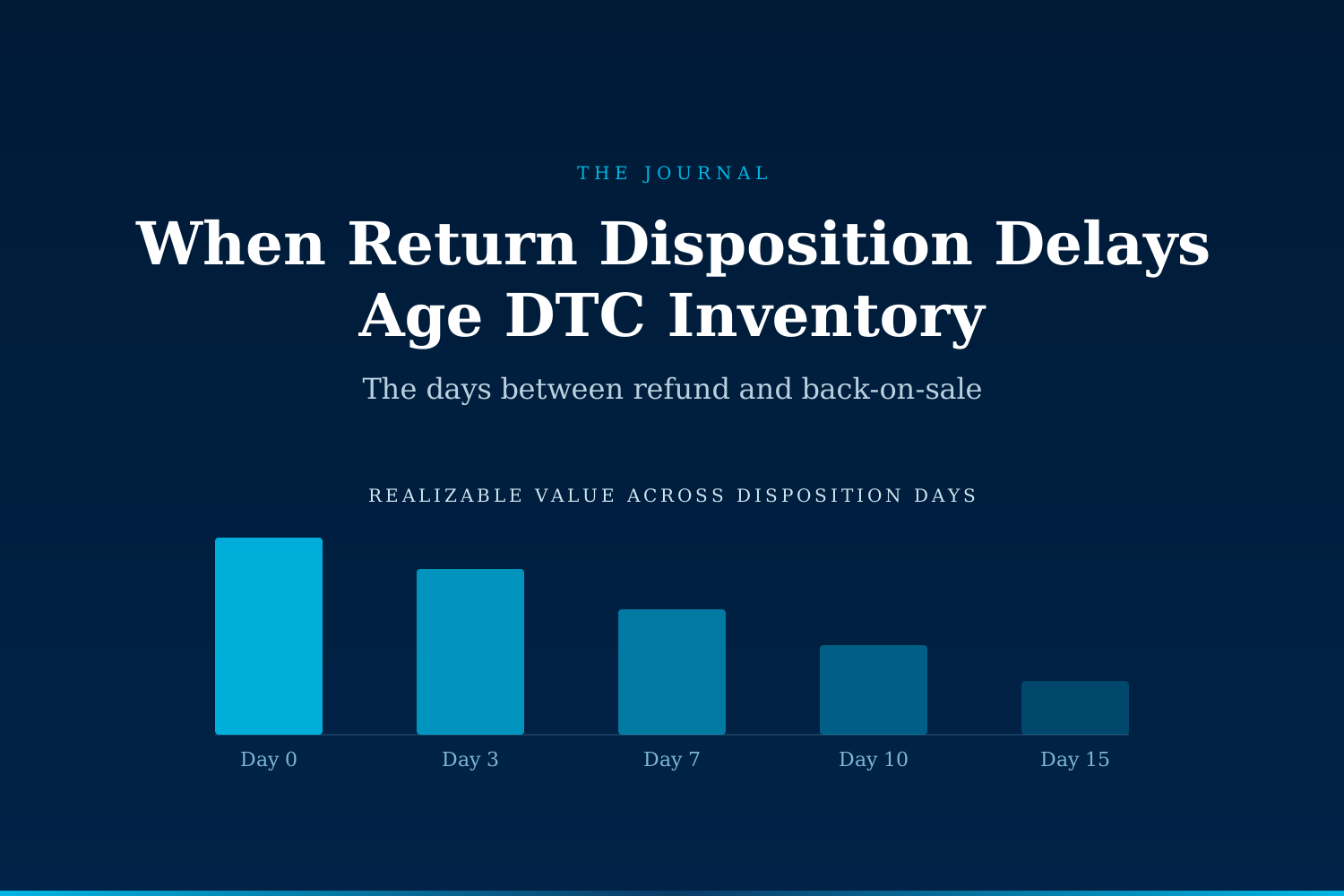
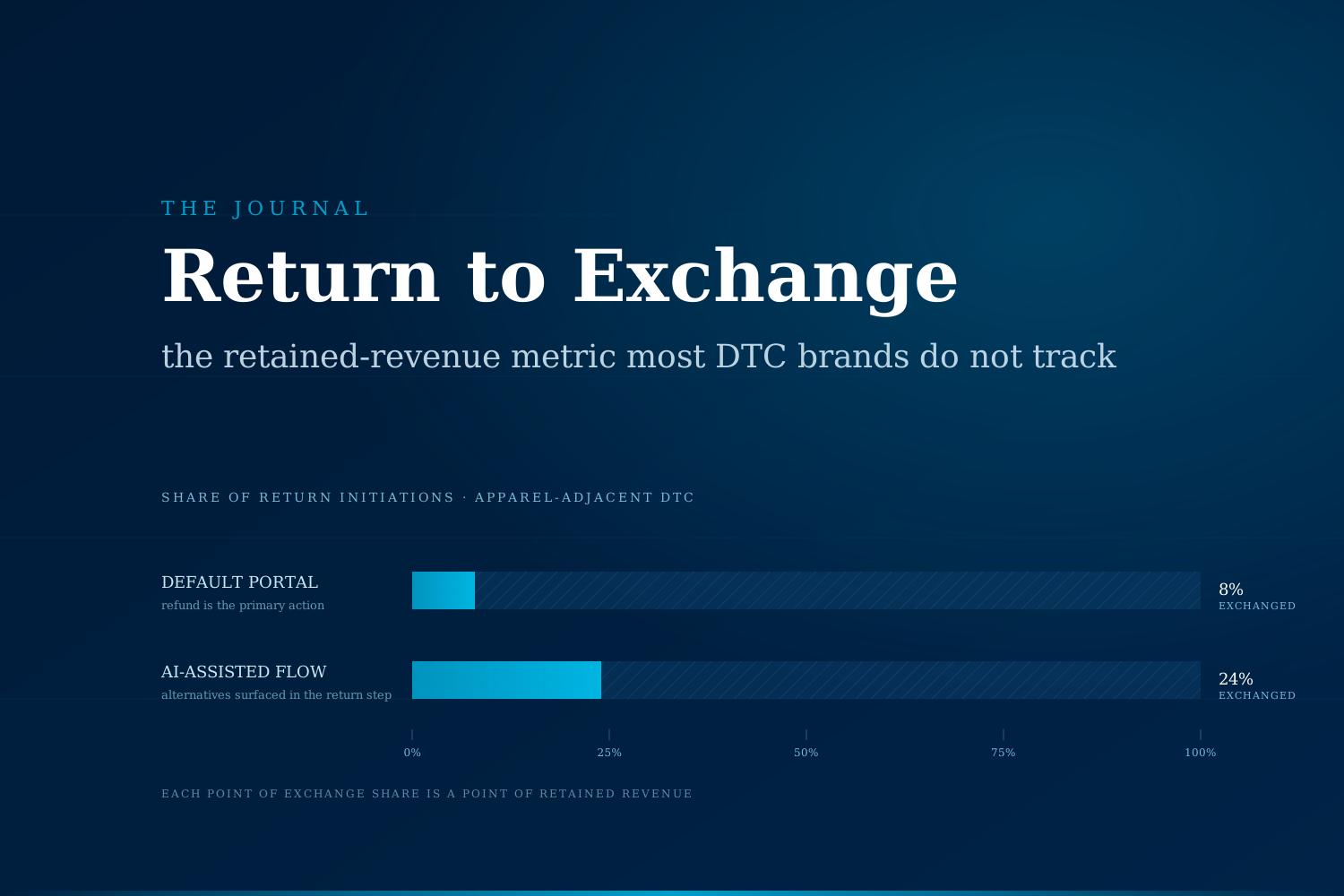
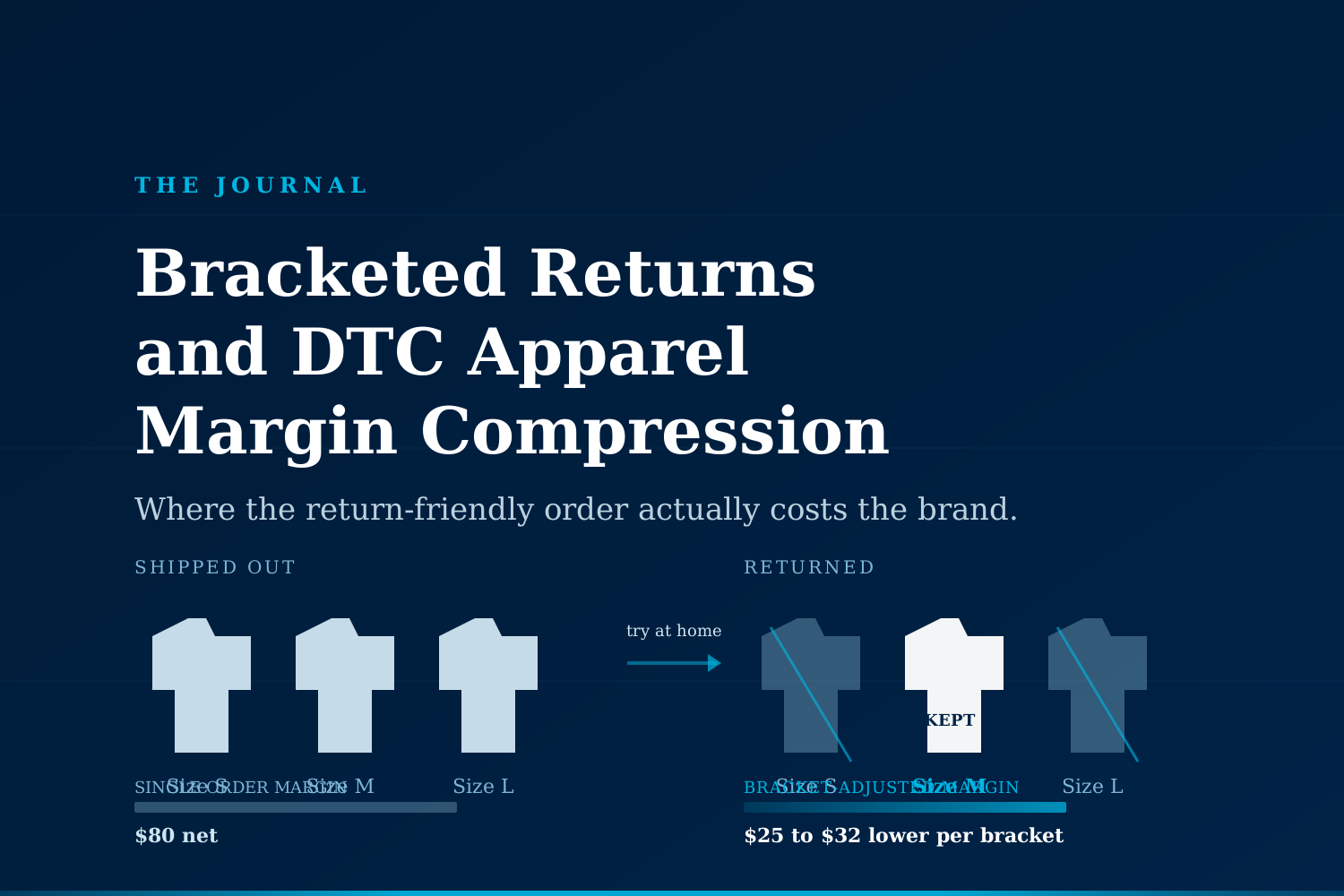
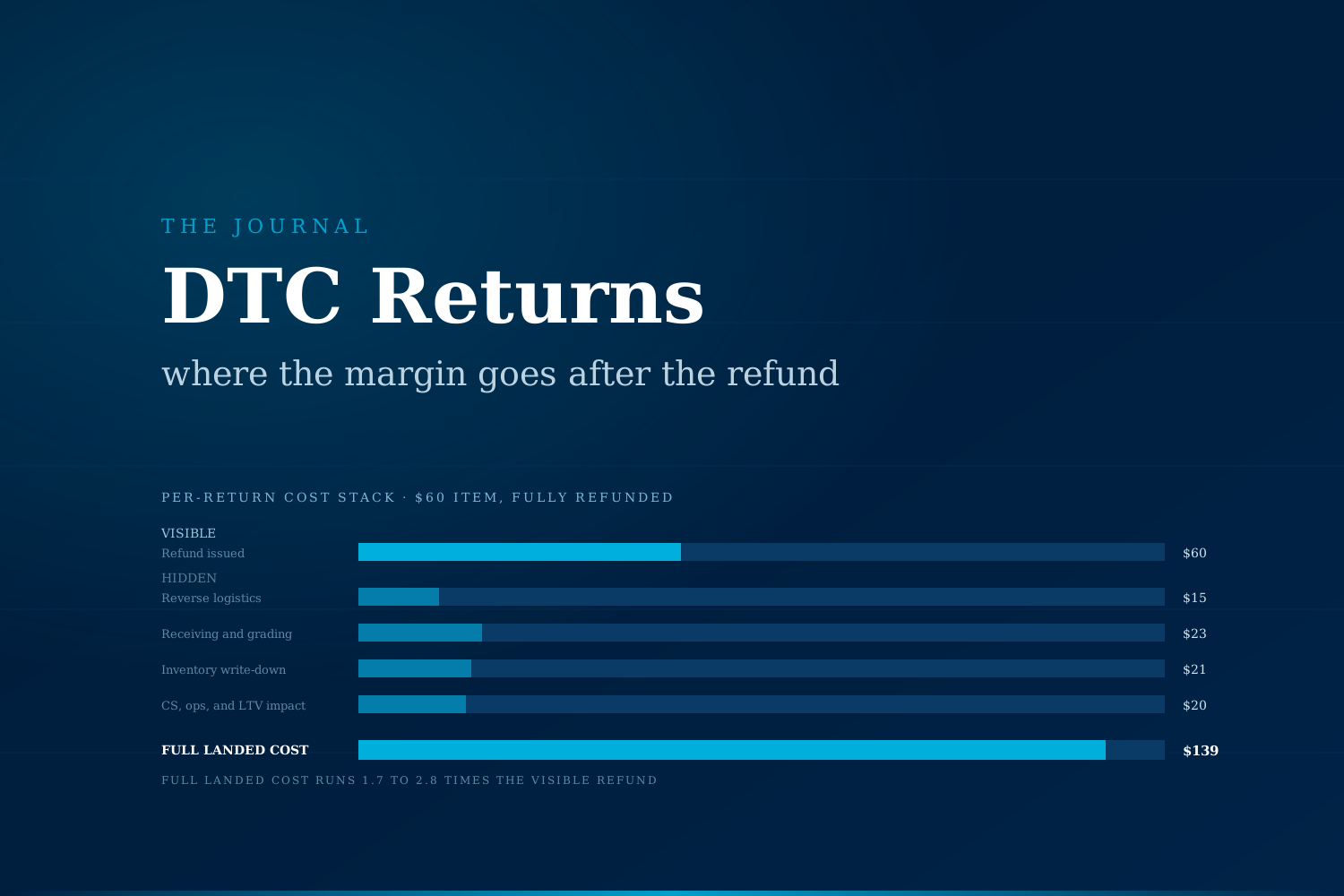
The refund is the visible cost of a DTC return. Reverse logistics, restocking, write-downs, and LTV impact compound on top. Here is where the margin actually goes.
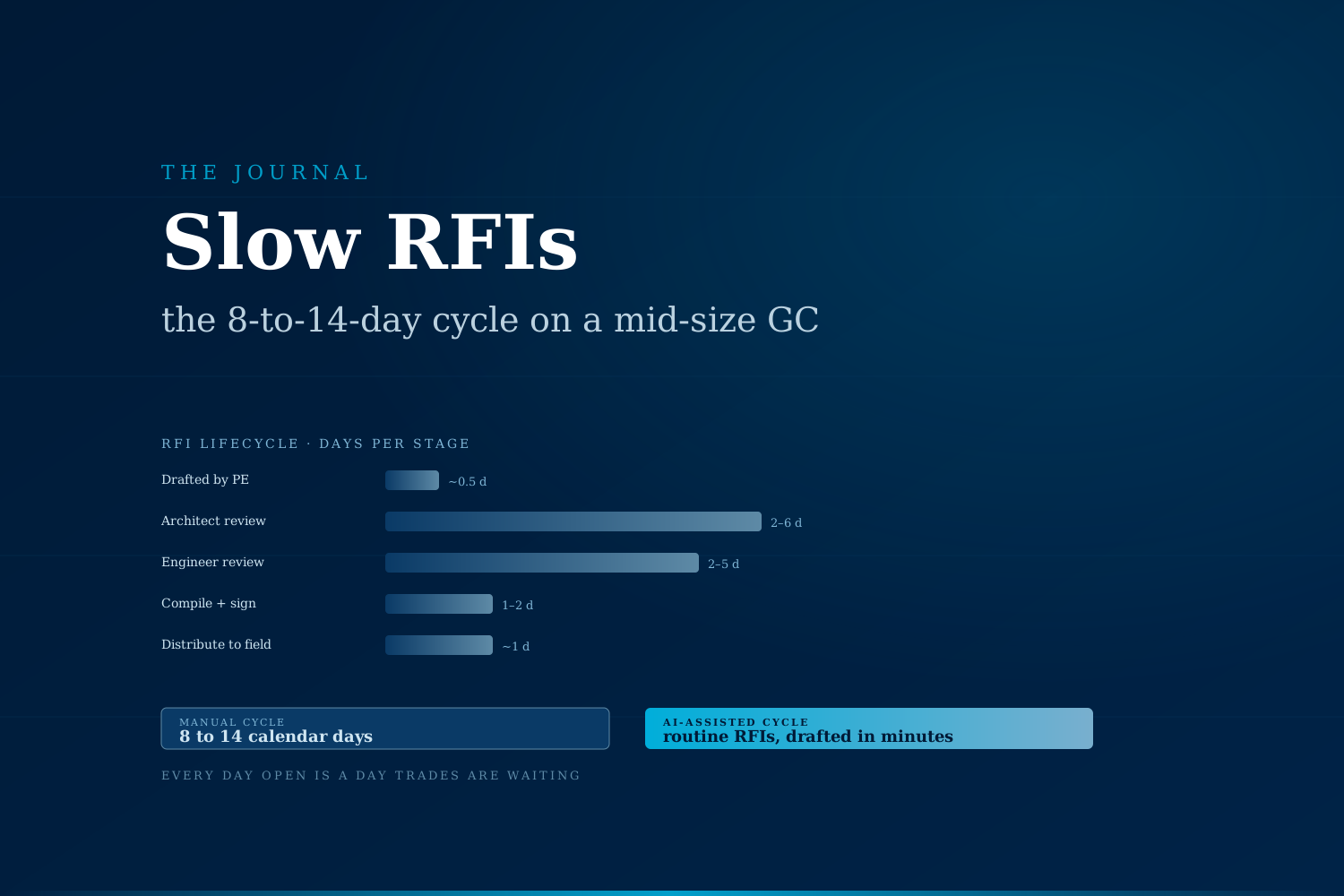
On a mid-size GC, the average RFI takes 8 to 14 days to resolve. The cost lands as schedule weeks, rework, and PM hours, not as a single P&L line.
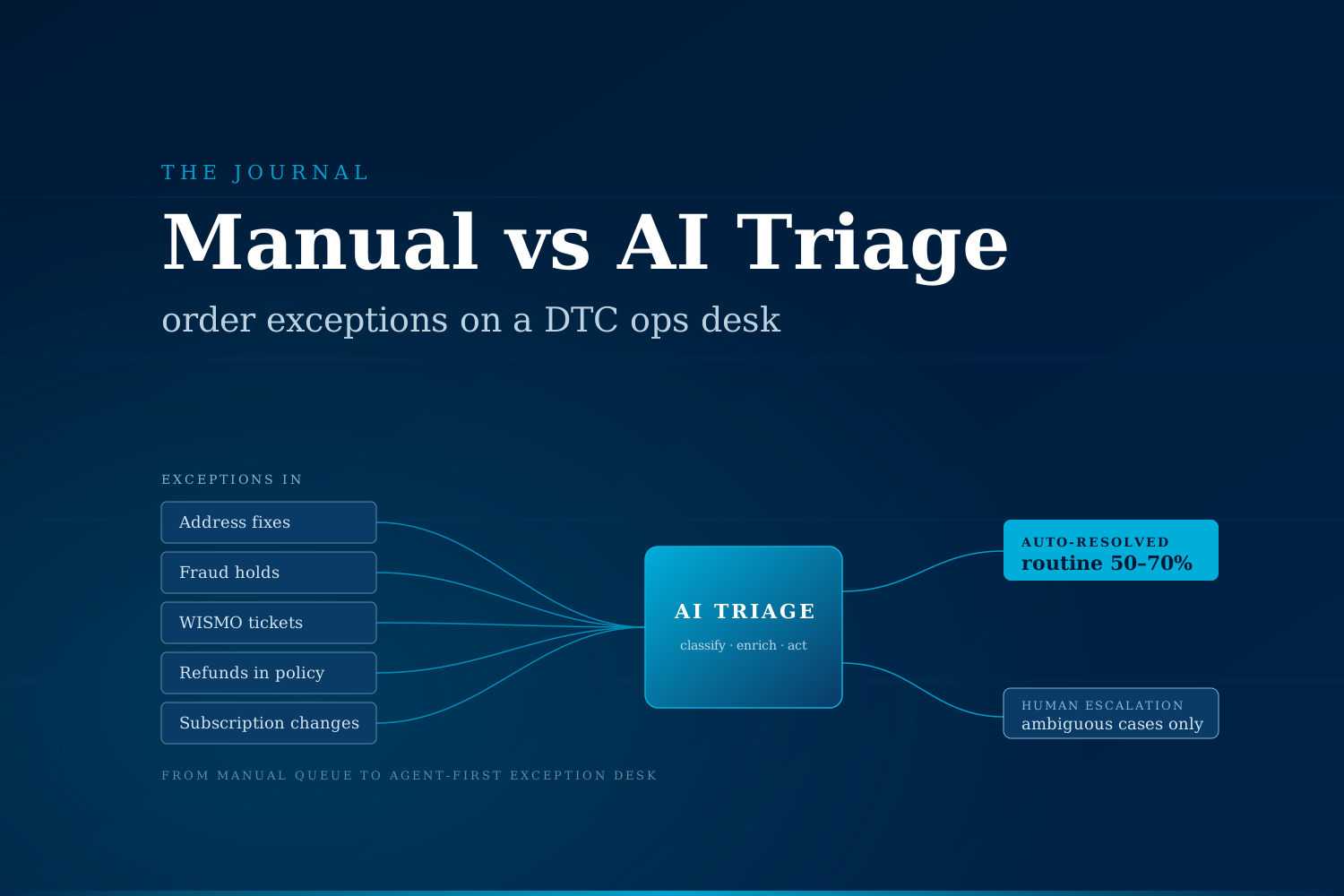
What changes for a DTC operations team when address fixes, fraud holds, WISMO tickets, and refund requests move from a human queue to an AI-augmented triage desk.
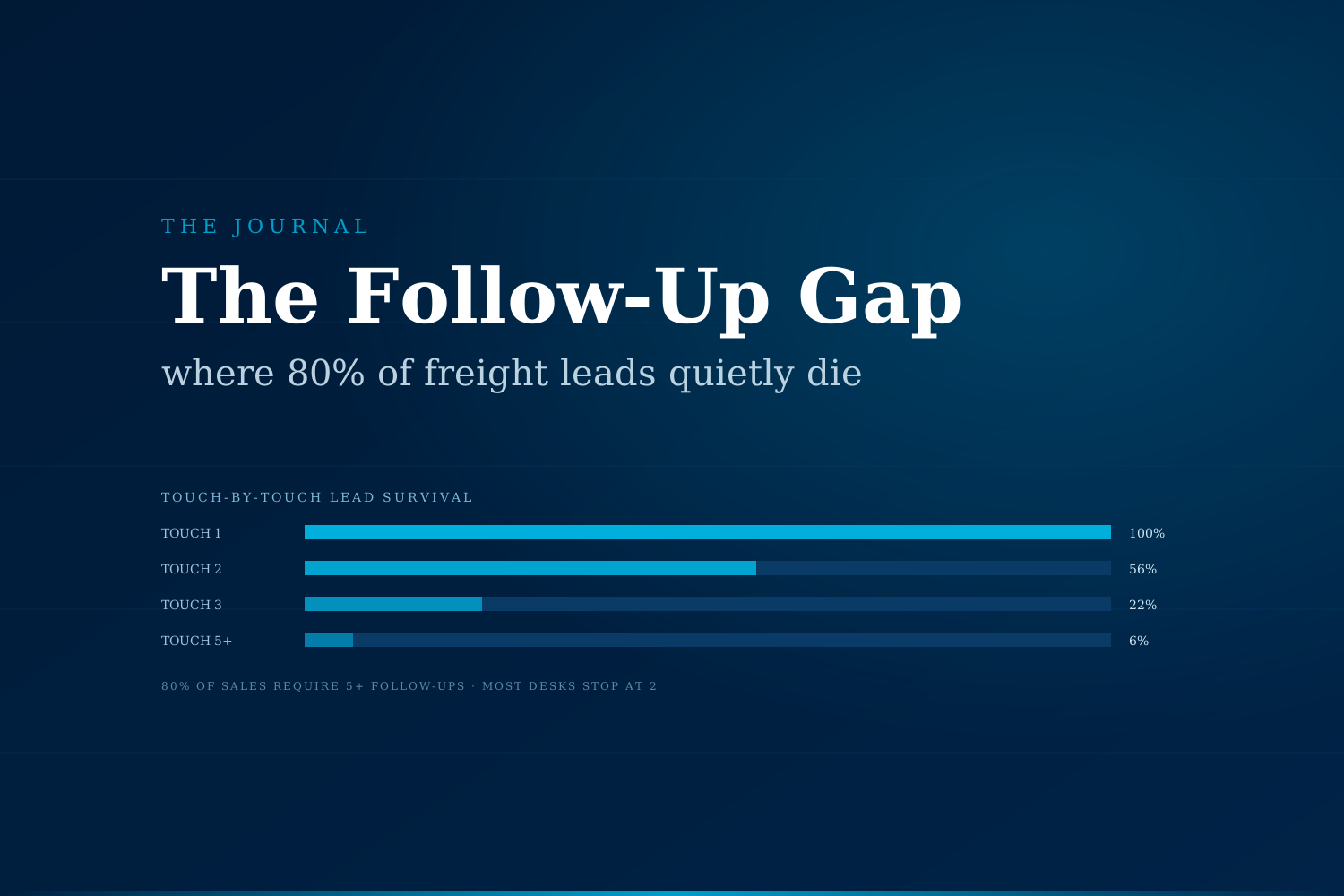
Most freight brokers pay to generate leads, then drop 80% of them after one or two touches. The lead never says no. It just goes silent. Here is what that gap is costing you.
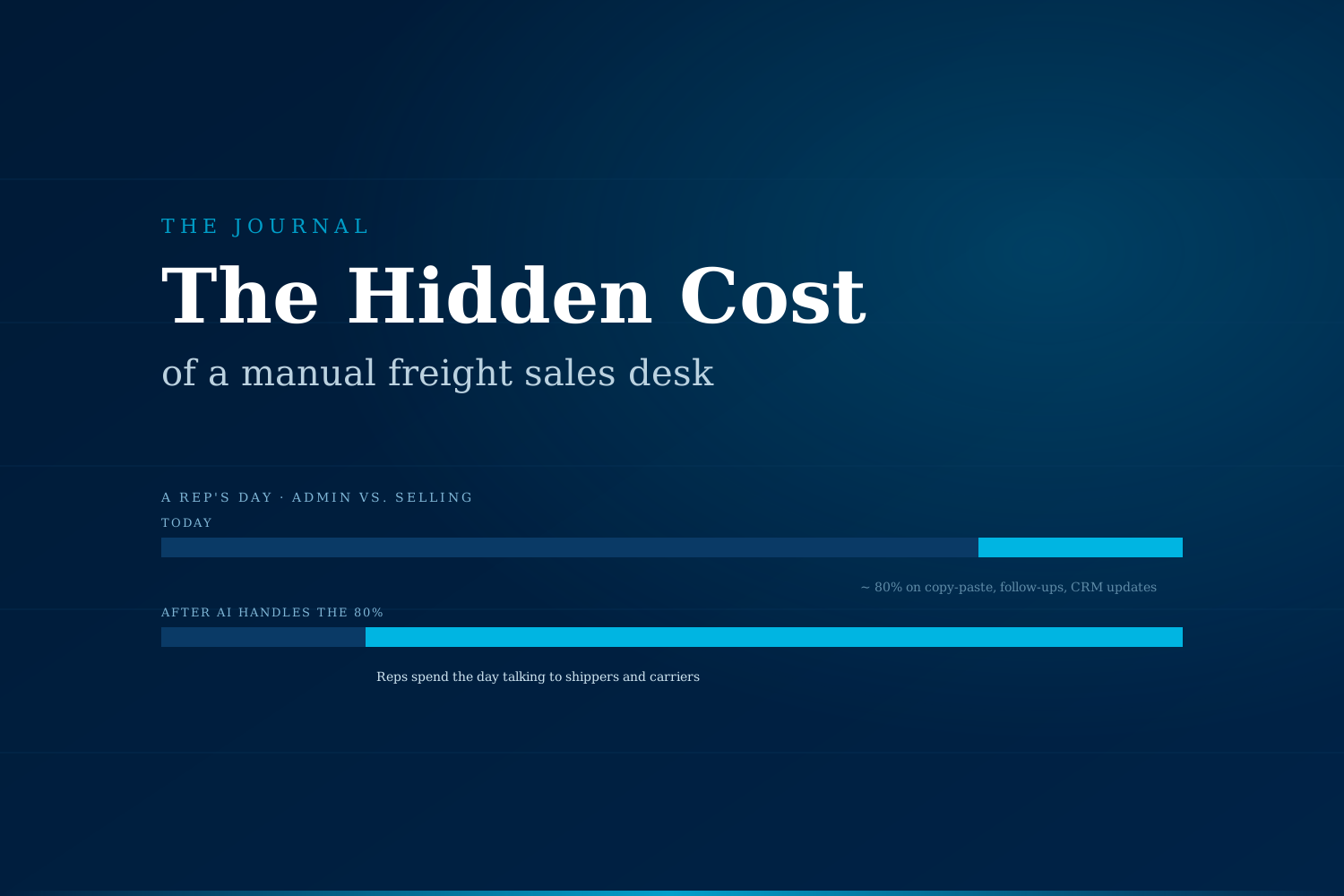
Where freight broker sales desks quietly lose six figures a year, and what the same desk looks like once AI handles the repetitive 80%.
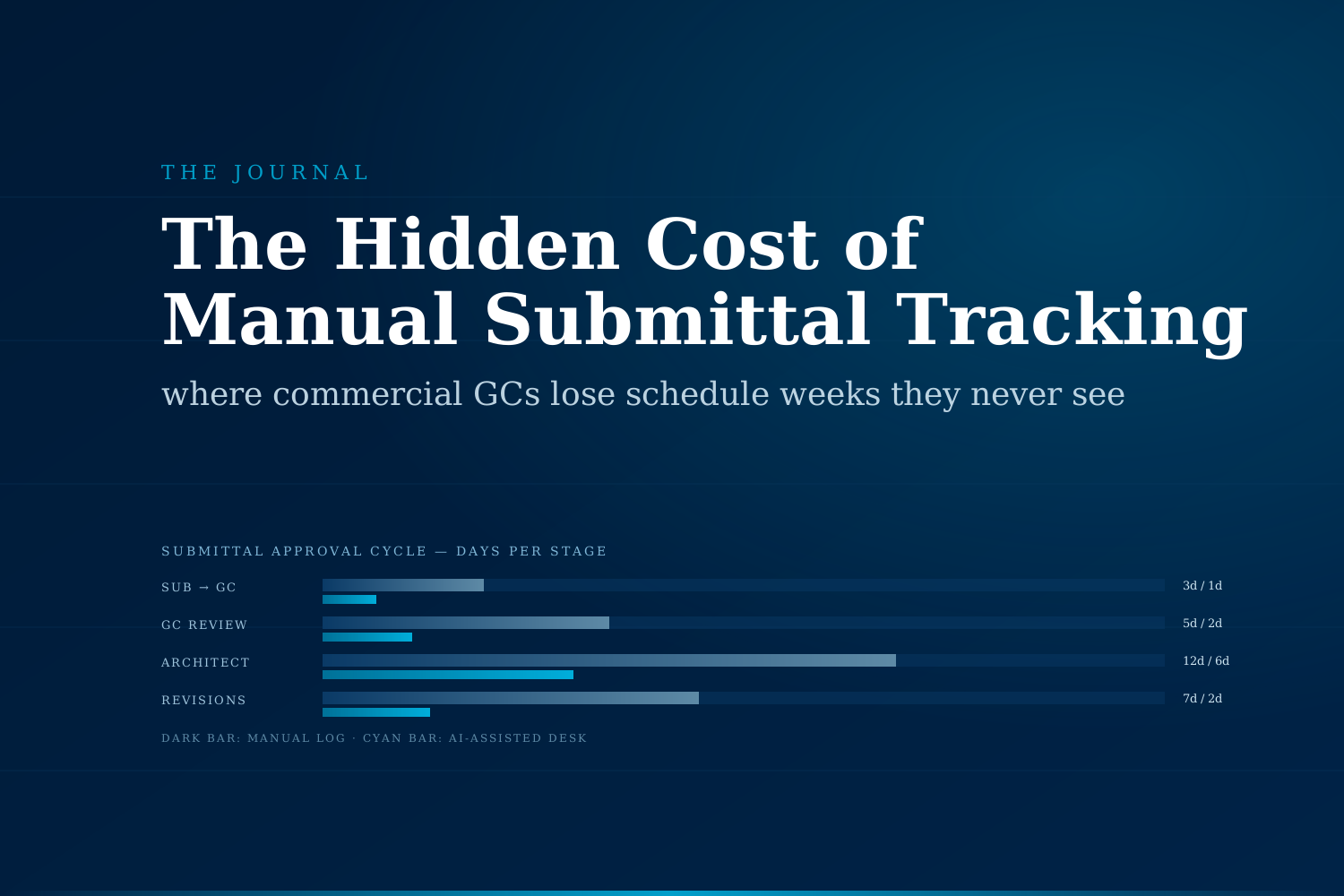
Where general contractors quietly lose schedule weeks and margin on submittal logs, and what the same desk looks like once AI handles the repetitive 80%.
A step-by-step framework to ship your first agentic AI pilot, prove value fast, and scale automation responsibly across the org.
A practical scoring system to prioritize automation ideas, forecast impact, and sell outcomes to leadership.