- How do we know whether to build custom AI software or buy a product?
- Look at where the business logic lives. If a product models your process and the gap is cosmetic, buy it. If the rules that make your process work cannot be expressed in anyone's configuration screen, and the workaround has become load-bearing, that is the case for building. We treat that question as part of discovery rather than as a foregone conclusion.
- How long does a custom AI software project take?
- Most of our projects ship in two to six weeks. Simple systems can be live in days, and builds that span several enterprise platforms may take two to three months. We scope the timeline after discovery and design the first slice to be useful on its own, so you can judge progress against something running.
- What does it cost?
- Cost tracks complexity and integration surface, so we price after discovery. The bands we publish for automation work apply: focused builds start around $2,000, and comprehensive systems range from $10,000 to $50,000. You receive a written cost-benefit analysis before any work begins.
- Can you build AI agents that take actions in our systems?
- Yes, within limits that are defined before anything is built: what the agent may do, what requires confirmation, what is logged, and what is reversible. An agent with unbounded write access to production systems is a liability, so the boundary is designed first and enforced in code.
- Will it integrate with the software we already run?
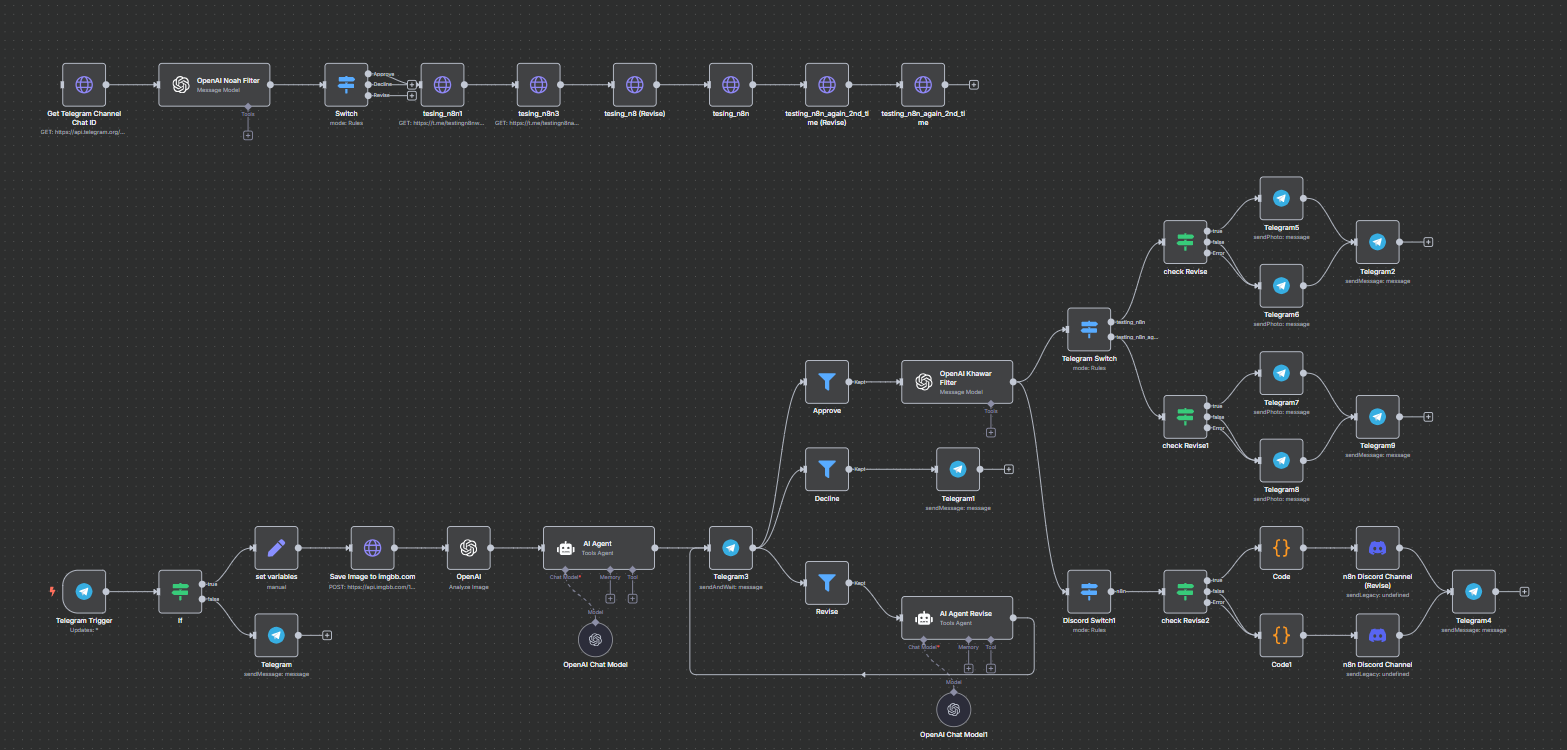
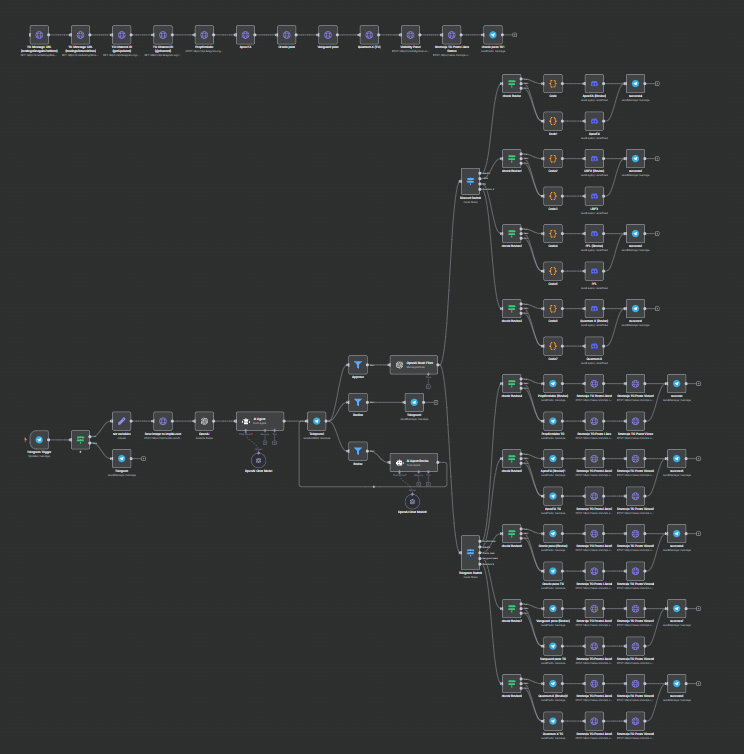
- If a system exposes an API or a webhook surface, it is a candidate. We already build against platforms including HubSpot, Slack, Stripe, Airtable, Notion, PostgreSQL, and Supabase, and we deploy on AWS and Vercel. Anything outside that set is a compatibility assessment during discovery rather than a promise made in advance.
- Who owns the code and the data?
- You do. Source code lands in your repository under your licence, all credentials and integrations are transferred to your accounts, and you receive a written runbook and a walkthrough so your team can extend the system. A 30-day defect warranty covers the handover period.
- What happens when the business rules change?
- That is the expected case, which is why the rules are written as versioned, tested code rather than buried in a workflow builder. Changes are a normal development task, and because you hold the source, they do not have to be made by us.
/fleet-managment-ai-for-a-trucking-and-contruction-company.png)