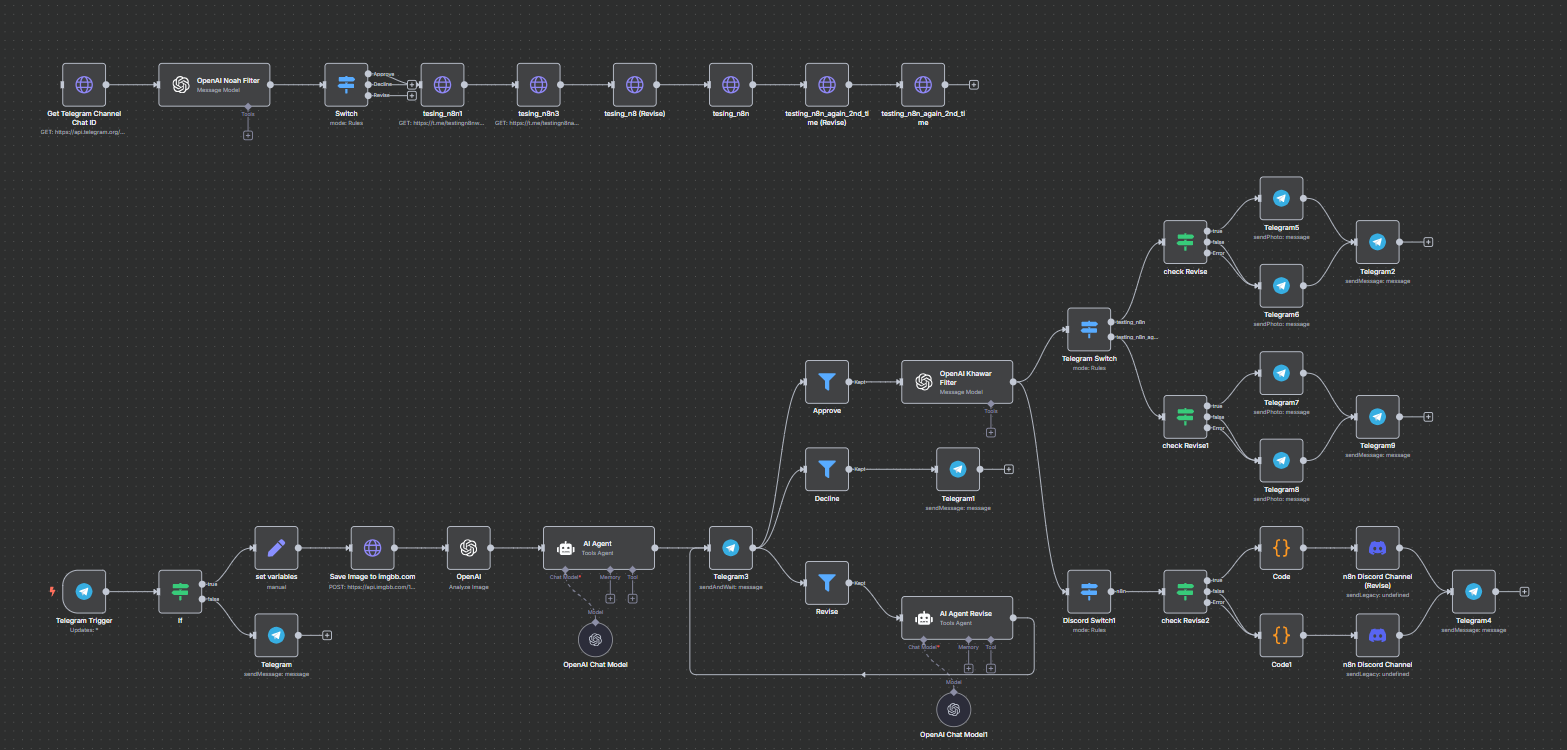
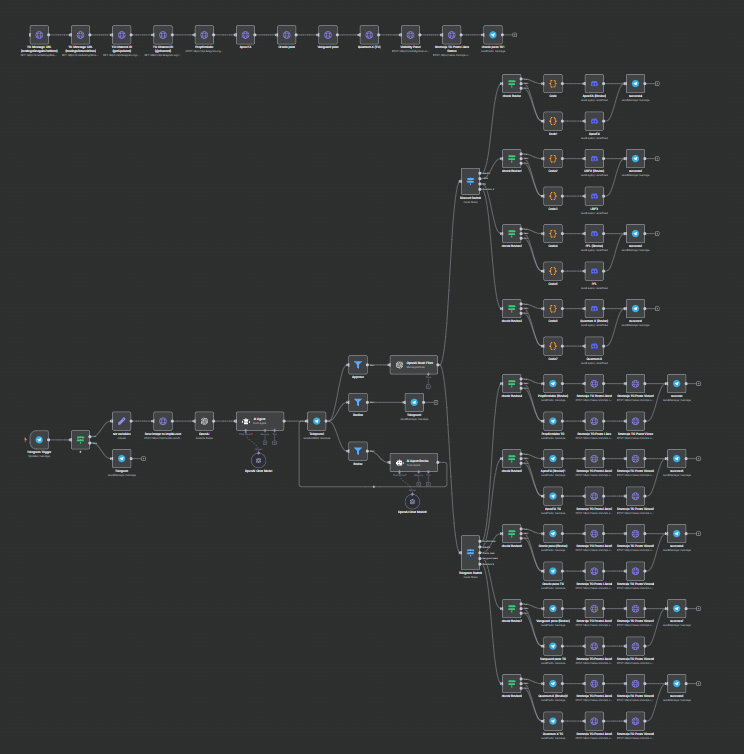
- What does a forward deployed engineer actually do?
- They embed with the team that owns a process, work out what the process really does by observing it, then design, build, integrate, deploy, and iterate on the system that changes it. The distinguishing feature is accountability for the outcome in production rather than for a document or a ticket queue.
- What does FDE stand for?
- Forward deployed engineer. The term comes from software teams who send engineers to work inside a customer's environment instead of building at a distance and shipping a release. We always write it out on first use, because the acronym on its own is ambiguous in most industries.
- How is this different from hiring a contractor?
- A contractor typically executes a specification you have already written and is managed inside your team. An embedded engineer is engaged when the specification is the hard part: discovery, design, integration, and deployment are all in scope, and the engagement is measured by whether the process changed in production.
- How is it different from a consulting engagement?
- Consulting answers a question and delivers analysis. Embedded delivery answers the question by building the thing, then leaves it running in your environment with your team able to maintain it. If your blocker is genuinely a decision rather than an implementation, consulting is the better instrument and we will say so.
- How long does an embedded engagement last?
- Most of our projects run two to six weeks, and work spanning several enterprise systems can take two to three months. We scope the duration after discovery rather than before it, and the first slice is deliberately shippable on its own so you can stop early if the value is not there.
- What does it cost?
- Scope and engagement are set after discovery. The bands we publish for automation work apply here: focused engagements start around $2,000, and comprehensive programmes range from $10,000 to $50,000 depending on complexity and integration surface. A written cost-benefit analysis comes before any work begins.
- What do we own at the end?
- Everything. Source code in your repository under your licence, all credentials and integrations in your accounts, a written runbook and a walkthrough so your team can extend the system, and a 30-day defect warranty on what we delivered.
- Can an embedded engineer work with our existing development team?
- Yes, and that is often the better arrangement. Your engineers know the systems and the constraints; the embedded engineer brings the discovery and the AI or automation delivery pattern. We agree the split of responsibilities in writing at the start so nobody is guessing who owns which surface.
/fleet-managment-ai-for-a-trucking-and-contruction-company.png)